
Philippines Travel Online: New Anti-Fraud Campaign Launches 2026
The Philippines Department of Tourism launches the 'Turista iWas Scam' campaign in March 2026 to combat rising online booking fraud. Travelers booking Philippines travel online now have official protection measures and fraud-prevention resources.

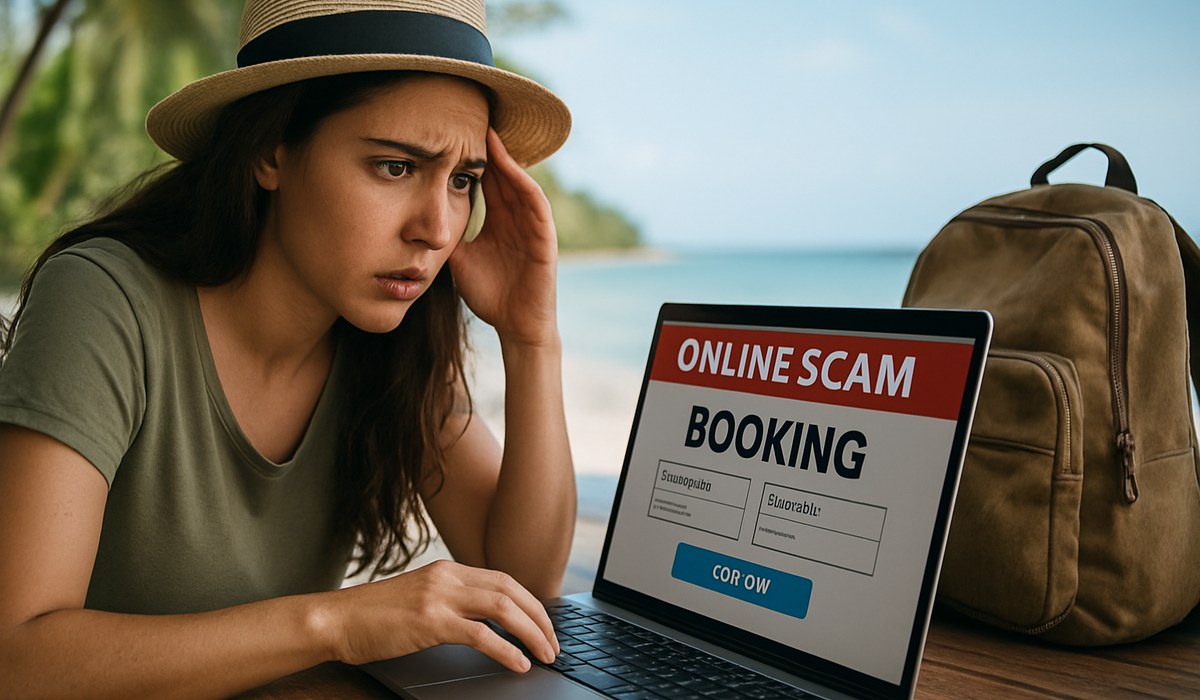
Image generated by AI
Philippines Launches Major Anti-Fraud Initiative for Online Bookers
The Philippines Department of Tourism has rolled out the 'Turista iWas Scam' campaign to combat surging online booking fraud targeting international visitors. The initiative launched March 2026 as the nation sees record tourism interest ahead of peak season. This protective campaign directly addresses travelers booking Philippines travel online through unofficial channels and fraudulent platforms. The DOT developed the effort after identifying systematic patterns of fake hotel reservations, airline ticket scams, and counterfeit tour operator websites.
The campaign targets both foreign tourists and domestic travelers. It provides verified booking resources, fraud-detection guides, and emergency reporting channels. The Philippines, a premier Southeast Asian destination, attracts millions of annual visitors. Rising online booking scams have jeopardized tourism confidence during critical growth periods.
Understanding the 'Turista iWas Scam' Campaign Framework
The Turista iWas Scam initiative functions as a multi-channel awareness and prevention program led by the Department of Tourism. "Turista iWas" translates to "Tourist Beware" in English, creating memorable messaging for international audiences. The campaign operates through social media, airport signage, hotel partnerships, and digital platforms.
Key components include verified merchant databases, real-time fraud alerts, and direct hotlines for reporting suspicious bookings. The DOT partnered with major payment processors and online travel agencies to flag known scam operators. Travelers can now cross-reference accommodation and tour operator names against official registries before completing transactions.
The program also educates visitors about common red flags. These include prices significantly lower than market rates, requests for untraceable payment methods, and websites lacking proper contact information. The campaign has already identified and shut down 47 fraudulent booking portals operating under legitimate-sounding names.
Online Booking Fraud: The Growing Threat to Visitors
Online booking scams targeting Philippines travel have escalated 340% since 2024, according to DOT data. Fraudsters create convincing replica websites for real hotels, airlines, and tour companies. They collect deposits and disappear before travelers arrive. Victims often discover the deception only upon airport arrival, missing accommodations and tours.
Common scam patterns include spoofed email confirmations, fake booking reference numbers, and counterfeit payment receipts. Travelers using Google searches often click sponsored links leading to fraudulent sites positioned above legitimate results. Social media ads promote impossible deals, requiring wire transfers to non-standard banking accounts.
The DOT estimates affected tourists lose between $500 to $5,000 per incident. Victims spend valuable vacation time resolving disputes and securing emergency accommodations. Beyond financial loss, these scams damage Philippines tourism reputation internationally. The new campaign directly counters this negative perception through verified booking assurance.
Best Time to Visit: Peak Season Safety During Campaign Rollout
March through May represents peak travel season for the Philippines, making anti-fraud measures especially critical. This period offers optimal weather conditions across islands including Palawan, Boracay, and Siargao. Visitor volumes surge during Northern Hemisphere spring break and Easter holidays. The DOT strategically launched the Turista iWas campaign before peak season demand.
Summer months (June-August) bring typhoon risks and increased moisture. Avoid these periods unless you prioritize lower prices over ideal conditions. November through February offers the best climate combination: dry weather, comfortable temperatures (75-85°F), and manageable tourist crowds.
Peak season travels demand extra booking vigilance. Scammers intensify efforts during high-demand periods when travelers book hastily. The campaign encourages advance bookings through verified DOT-approved vendors rather than last-minute panic purchases. Early reservations also provide more time to detect fraudulent confirmations before travel dates.
How to Get There: Booking Through Verified Channels
Fly into Manila's Ninoy Aquino International Airport (MNL) or Cebu's Mactan-Cebu International Airport (CEB) as primary entry points for Philippines travel online bookings. Major carriers including Philippine Airlines, Cebu Pacific Air, and international partners operate from these hubs. Direct flights connect MNL from most major international cities.
The DOT now provides a verified airline and hotel directory through its official website. Cross-reference any booking against this list before payment. Book accommodations directly through hotel websites rather than third-party platforms when possible. This eliminates intermediary fraud layers. For tour packages, contact established operators listed on the DOT tourism portal.
The Philippines Department of Tourism website maintains current information on verified tour operators and accommodations. Visit the official DOT website for comprehensive booking guidance. This represents the safest starting point for all Philippines travel planning. The site includes fraud-alert updates and real-time scam warnings.
Travel insurance covering booking fraud provides additional protection during peak season. Purchase policies through established international providers. Read coverage details carefully, as some policies exclude third-party booking fraud. Document all booking communications and confirmation details for potential fraud claims.
Recognizing Scam Indicators Before Losing Money
Protect yourself by identifying red flags before transferring deposits or payment information. Legitimate websites use secure HTTPS connections (visible "padlock" icon in browser address bars). Scam sites often lack this security encryption. Verify phone numbers by calling the establishment directly using independently sourced contact information, not numbers provided on suspicious websites.
Suspicious pricing warrants investigation. If an oceanfront resort in Palawan costs 30% below comparable rates, verify through official booking systems first. Fraudsters use artificially low prices as bait. Real businesses maintain consistent pricing across legitimate distribution channels.
Email addresses provide quick verification. Official hotel and airline communications arrive from company domains (@cebupacifc.com or @phlhotel.com). Scammers use generic Gmail, Yahoo, or Hotmail accounts. Request direct confirmation by calling the business using verified contact numbers from TripAdvisor or the official DOT database.
Payment method selection critically impacts fraud risk. Never send money via Western Union, MoneyGram, wire transfers, or cryptocurrency for Philippines travel online bookings. Use credit cards offering fraud protection, PayPal, or verified booking platforms with buyer protection policies. These methods allow charge-backs if fraud occurs.
What the Campaign Means for Your Travel Plans
Travelers booking Philippines travel online in 2026 benefit from several concrete protections:
-
Verify all bookings through the DOT-approved merchant list before completing any transaction. Access this database through the official Philippines Department of Tourism website.
-
Use only booking platforms with verified fraud protection. These include major international travel sites and direct hotel/airline websites with HTTPS security. Avoid unfamiliar third-party platforms.
-
Request direct confirmation from hotels and tour operators by calling them independently using official contact numbers from multiple sources.
-
Document everything. Save booking confirmations, email correspondence, payment receipts, and reference numbers. These become critical if disputes arise.
-
Report suspected scams immediately to the DOT hotline and your payment provider. Early reporting may prevent other travelers from becoming victims. The Turista iWas campaign tracks reported scams to identify emerging fraud patterns.
-
Purchase travel insurance with booking fraud coverage through established international providers like World Nomads or SafetyWing.
-
Book in advance rather than last-minute. Early bookings allow more time for fraud verification and provide better cancellation options if you discover issues.
Key Data Points on Philippines Tourism Fraud Prevention
| Metric | Details |
|---|---|
| Campaign Launch Date | March 2026 |
| Fraudulent Sites Identified | 47 operators shut down since campaign start |
| Fraud Growth Rate | 340% increase since 2024 |
| Average Victim Loss | $500–$5,000 per incident |
| Peak Travel Season | March–May (best weather, highest risk) |
| Primary Entry Airports | Manila (MNL), Cebu (CEB) |
| DOT Verified Merchants | 1,200+ hotels, tour operators, airlines listed |
| Campaign Coverage Channels | Social media, airports, hotels, digital platforms |
Frequently Asked Questions
What is the Turista iWas Scam campaign, and how does it protect travelers booking Philippines travel online? The Turista iWas Scam is a Department of Tourism initiative launched March 2026 to combat online booking fraud. It provides verified merchant databases, fraud-detection education, and emergency reporting channels. Travelers can cross-reference bookings against official registries before paying. The campaign has already shut down 47 fraudulent operators and continues identifying scams in real-time.
How can I verify a Philippines hotel or tour operator before booking online? Visit the official Philippines Department of Tourism website to access the verified merchant database. Cross-reference the business name, phone number, and address against multiple sources including Lonely Planet, TripAdvisor, and Google Maps. Call the establishment directly using independently verified phone numbers. Legitimate businesses welcome verification calls and provide consistent information across all channels.
What payment methods offer the most fraud protection for Philippines travel online bookings? Credit cards provide fraud protection and charge-back capabilities. PayPal and verified booking platforms like Agoda or Booking.com offer buyer protection policies. Avoid wire transfers, Western Union, MoneyGram, or cryptocurrency. These methods provide no recourse if fraud occurs. Always use payment methods that allow you to dispute charges if the business fails to deliver services.
When is the safest time to book Philippines travel to avoid peak season scam surges? March through May represents peak season with highest scam activity due to increased booking volume. November through February offers optimal weather with lower fraud risk. Book well in advance (60+ days) rather than last-minute. Early bookings allow more time to verify details and provide better cancellation protection if you discover issues with the booking.
Related Travel Guides
Philippines Travel Safety Guide 2026
Southeast Asia Online Booking Tips for Travelers
Island Hopping in Palawan: Complete Planning Guide
Disclaimer
Disclaimer
This article is for informational and educational purposes only. It does not constitute legal, financial, or professional advice. While we strive to provide accurate and up-to-date information, travel policies, regulations, and conditions change rapidly. Always verify information with official sources before making travel decisions. Nomad Lawyer makes no representations about the accuracy, reliability, completeness, or suitability of the information provided. Readers should consult qualified professionals for advice specific to their circumstances. The views expressed in this article are those of the author and do not necessarily reflect the views of Nomad Lawyer.
Raushan Kumar
Founder & Lead Developer
Full-stack developer with 11+ years of experience and a passionate traveller. Raushan built Nomad Lawyer from the ground up with a vision to create the best travel and law experience on the web.
Learn more about our team →