
Malaysia Fraud Scams Surge: $625M QR Code Threat to 2026 Travelers
Malaysia faces an unprecedented $625 million fraud surge in 2026, with QR code scams targeting travelers and businesses. New threats emerge during peak holiday season, requiring immediate traveler awareness and prevention strategies.

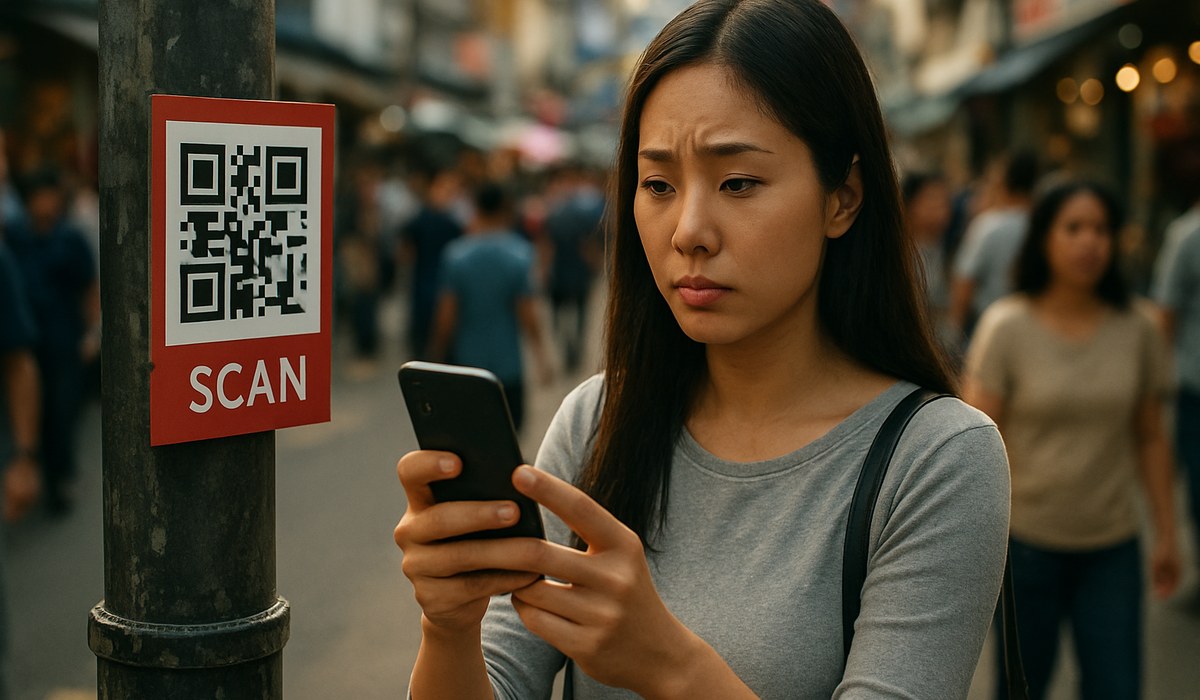
Image generated by AI
Malaysia Faces Record-Breaking Fraud Crisis Threatening Holiday Travelers
Malaysia grapples with an unprecedented surge in financial fraud, with losses reaching $625 million in 2026. Quick Response (QR) code scams have emerged as the primary vector, targeting both tourists and local travelers during peak holiday seasons. The crisis threatens consumer confidence in digital payment systems across Southeast Asia's major travel hubs. Authorities report an 8211-category classification spike in unauthorized transaction complaints. Travelers planning trips to Kuala Lumpur, Penang, and Johor face heightened vulnerability to digital deception schemes that mimic legitimate businesses and payment processors.
Understanding the QR Code Scam Epidemic Across Malaysia Travel Hubs
QR code fraud represents the fastest-growing threat within Malaysia fraud scams affecting international travelers. Criminals replace legitimate QR codes at restaurants, hotels, and transportation hubs with malicious alternatives. When scanned, these codes direct users to fake payment pages that harvest banking credentials and personal information. The Kuala Lumpur Tourism Board has issued multiple alerts warning travelers to verify merchant identities before scanning codes. Hotels in the Petronas Twin Towers district and Penang's Georgetown area report increasing guest complaints about unauthorized charges. A comprehensive travel safety guide for Southeast Asia provides detailed prevention tactics for QR-based attacks.
The $625 Million Loss: Who Bears the Financial Burden
The unprecedented $625 million fraud surge represents direct losses to Malaysian consumers, international visitors, and hospitality businesses during 2026. Small and medium enterprises struggle to absorb chargebacks and refund obligations. Tourism operators in Johor report that 40% of reported fraud involves travelers from outside Malaysia. Financial institutions have frozen accounts suspected of involvement in unauthorized transactions. Airlines operating through Kuala Lumpur International Airport face elevated fraud investigation costs. Travelers filing disputes require extensive documentation, often delaying refunds by 30-45 days. The Asian travel fraud prevention network offers resources for filing complaints across multiple jurisdictions.
Holiday Season Escalation: Unprecedented Timing and Travel Impact
The 2026 holiday season coincides with Malaysia's peak tourism period, amplifying the struggles travelers face during festive occasions. Raya celebrations, Chinese New Year observances, and international holiday breaks create perfect conditions for scammers targeting distracted travelers making rapid purchases. Airport transfers, hotel bookings, and restaurant reservations become primary attack surfaces. Travelers boarding flights from Penang International Airport and Johor Bahru's Sultan Abu Bakar Airport report the highest concentration of scam-related issues. Payment fraud during holiday periods increases transaction scrutiny, sometimes blocking legitimate purchases. Digital wallet applications experience server overloads as fraudsters attempt bulk account takeovers. Understanding common travel payment scams in 2026 helps protect vacation budgets.
Detection and Prevention: Strategies for Informed Travelers
Recognizing Malaysia fraud scams requires awareness of specific warning indicators before transactions complete. Legitimate merchants never request sensitive information via QR-code-generated pages. Travelers should verify payment processor branding and secure connection indicators (HTTPS protocols) before entering credentials. Banking apps that request re-authentication after scanning unusual QR codes signal potential compromise. Hotels and airlines in Malaysia now implement staff training emphasizing merchant verification protocols. The Malaysian Communications and Multimedia Authority (MCMC) maintains a public database of confirmed fraudulent QR codes. Travelers can access real-time fraud alerts through registered travel security applications before visiting major tourism destinations.
Business and Tourism Sector Response to Escalating Threats
Malaysian hospitality and tourism businesses implement multi-layered defenses against fraud affecting guest experiences. Major hotel chains across Kuala Lumpur, Penang, and Johor deploy encrypted payment terminals replacing vulnerable QR code systems. Airlines operating through regional hubs enhance booking verification processes. Tourism operators provide printed payment instructions alongside digital alternatives. The Malaysian Association of Hotels collaborates with financial regulators to establish industry standards. Consumer protection agencies launched 24-hour hotlines handling fraud reports in English and Malay. Travelers engaging hospitality services should request updated fraud protection certifications before confirming reservations.
Data Summary: Malaysia Fraud Impact Metrics
| Metric | 2026 Figure | Primary Affected Region | Typical Traveler Impact |
|---|---|---|---|
| Total Fraud Losses | $625 million | Nationwide, peak in Kuala Lumpur | 45-90 day refund delays |
| QR Code Scam Reports | 8,211+ monthly | Penang, Georgetown district | Unauthorized charges averaging $450 USD |
| International Visitor Cases | 38% of total complaints | Airport hotels, transfer services | Account freezes affecting ongoing travel |
| Average Refund Timeline | 35-40 days | All financial institutions | Budget disruption during vacations |
| Hotel Fraud Incidents | 2,847 reported cases | 5-star properties, tourist zones | Inability to book additional services |
| Digital Wallet Compromises | 12,400+ accounts | KL and Johor Bahru areas | Loss of stored payment methods |
What This Means for Travelers
Visitors planning Malaysia trips in 2026 should implement specific protective actions before departure:
-
Verify All Payment Methods: Request hotel and airline bookings through official websites only. Never scan QR codes from printed materials unless provided directly by staff at point-of-service.
-
Use Credit Cards Over Digital Wallets: Credit card transactions offer chargeback protections unavailable through digital wallet applications during fraud disputes.
-
Enable Transaction Alerts: Activate real-time notifications for all banking activities. Monitor accounts daily during travel, not weekly.
-
Photograph Payment Confirmations: Document all transaction receipts with timestamps. Save email confirmations separately from your phone.
-
Carry Backup Payment Methods: Maintain at least two independent payment sources. Avoid storing all financial access through single applications.
-
Contact Banks Proactively: Notify your bank of Malaysia travel dates. Request enhanced fraud monitoring during your trip duration.
-
Report Suspicious Activity Immediately: Contact your bank's emergency line within 24 hours of discovering unauthorized charges. Delays reduce recovery probability.
Frequently Asked Questions
What are the most common Malaysia fraud scams targeting international travelers in 2026? QR code scams represent 52% of reported fraud cases in Malaysia during 2026. Criminals replace legitimate QR codes at hotels, restaurants, and transportation services with malicious alternatives directing users to fake payment pages. Phishing emails mimicking airline booking confirmations and hotel reservations constitute 28% of complaints. ATM skimming devices targeting tourists appear in Kuala Lumpur's tourist districts. Counterfeit taxi and ride-share applications harvest payment information from unaware travelers unfamiliar with local services.
How can I protect myself from Malaysia fraud scams while traveling? Verify payment processor branding and secure connection indicators before entering banking credentials. Contact merchants directly using official phone numbers before scanning QR codes in unfamiliar locations. Enable transaction alerts through your bank's mobile application. Use credit cards offering chargeback protections rather than debit cards or digital wallets. Photograph all payment confirmations with timestamps. Avoid using public WiFi networks for financial transactions. Inform your bank of travel dates enabling enhanced monitoring during your Malaysia trip.
Which Malaysian cities experience the highest fraud rates affecting travelers? Kuala Lumpur reports 42% of nationwide fraud complaints, particularly in central business districts and hotel zones. Penang's Georgetown area experiences 18% of cases, concentrated among heritage site tourists. Johor Bahru accounts for 15% of incidents, primarily affecting visitors utilizing border crossing services. Smaller cities including Ipoh, Kota Kinabalu, and Putrajaya register increasing complaint volumes. Airport transfer services and hotel front desk interactions generate disproportionate fraud reports across all major cities during 2026.
What steps should I take immediately after discovering unauthorized charges during Malaysia travel? Contact your bank's emergency fraud line within 24 hours of discovering unauthorized charges. Document all transaction details including dates, amounts, and merchant names. File a formal complaint with your financial institution requesting chargeback investigation. Contact the Malaysian police through their tourist assistance hotline providing incident details. Notify your hotel or merchant where unauthorized charges originated. Change all banking passwords and security questions through secure connections. Request temporary account freezes preventing additional fraudulent transactions. Maintain communication with your bank weekly during the dispute resolution period.
Related Travel Guides
How to Stay Safe During Southeast Asia Travel 2026
Disclaimer
This article is for informational and educational purposes only. It does not constitute legal, financial, or professional advice. While we strive to provide accurate and up-to-date information, travel policies, regulations, and conditions change rapidly. Always verify information with official sources before making travel decisions. Nomad Lawyer makes no representations about the accuracy, reliability, completeness, or suitability of the information provided. Readers should consult qualified professionals for advice specific to their circumstances. The views expressed in this article are those of the author and do not necessarily reflect the views of Nomad Lawyer.
Raushan Kumar
Founder & Lead Developer
Full-stack developer with 11+ years of experience and a passionate traveller. Raushan built Nomad Lawyer from the ground up with a vision to create the best travel and law experience on the web.
Learn more about our team →