
Passenger journal reveals life aboard hantavirus ship outbreak 2026
A recovered passenger journal from the MV Hondius documents the harrowing shift from Antarctic exploration to floating quarantine during a deadly 2026 hantavirus outbreak at sea, affecting expedition cruise safety standards.

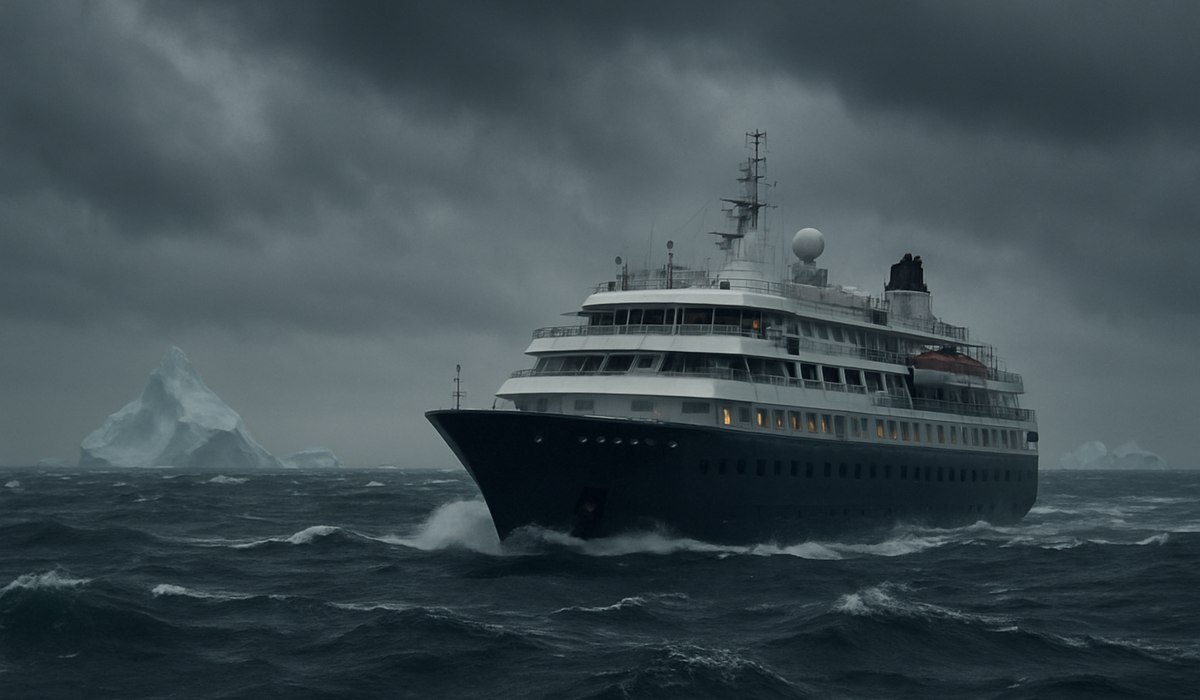
Image generated by AI
From Antarctic Dreams to Floating Quarantine
A recovered passenger journal from the MV Hondius offers an intimate, firsthand account of how an ambitious Antarctic expedition cruise transformed into a medical emergency at sea. The Dutch-flagged vessel, operated by Hurtigruten Expeditions, departed Ushuaia, Argentina on April 1, 2026, carrying more than 140 passengers and crew on what was marketed as a weeks-long immersive voyage to pristine polar regions and remote South Atlantic islands. What began as an adventure filled with zodiac excursions, penguin colony landings and expert glaciology lectures evolved into an unprecedented health crisis tied to hantavirus infection. The journal's author, a recovered passenger, meticulously documented the gradual shift from expedition normalcy to uncertainty and isolation as the ship diverted course toward the Canary Islands.
The passenger journal reveals how life aboard transformed from routine Antarctic exploration to a suspended reality marked by temperature checks, empty decks and mounting anxiety about an unidentified respiratory illness spreading silently through cabin corridors.
When Normal Became Ominous: The Journal's Timeline
The earliest journal entries reflect the anticipated excitement of polar expedition cruising. Early-morning zodiac departures, sightings of Antarctic fauna and evening lectures in the ship's lounge dominated the first two weeks of the voyage. Passengers documented typical expedition-cruise experiences: encounters with leopard seals, visits to abandoned research stations and interactions with expert naturalists leading onboard presentations.
By mid-April, the journal's tone shifted noticeably. Initial notations referenced "a cough in the dining room" and isolated cabin closures. Within days, entries began referencing a memorial service at sea and heightened crew activity. Temperature checks became routine. Familiar faces disappeared from communal dining areas. The passenger journal reveals the precise moment when fellow travelers began openly discussing respiratory symptoms and speculating about disease transmission. Multiple news outlets confirmed the first passenger death occurred during this phase, followed by additional cases linked to a South American hantavirus strain. The journal marks this inflection point with striking emotional clarity—the instant when passengers realized their expedition had become a health emergency.
Life Aboard During Crisis
As the MV Hondius altered course toward Cape Verde, the ship's operational rhythm changed dramatically. The passenger journal describes an atmosphere of "tense calm," with observation decks largely abandoned and binoculars set aside. Meals arrived outside cabin doors. Public announcements punctuated long stretches of silence. Helicopter evacuations of critically ill passengers created moments of acute anxiety among those remaining aboard.
The journal documents an improvised daily structure maintained by passengers in isolation: deck walks measured in laps, meal timing tracked obsessively, ship position monitored on in-cabin televisions. Information gaps filled with rumor and speculation. With limited internet connectivity, fragmented news reports and social media snippets circulated through the passenger community faster than official briefings. The passenger journal reveals how uncertainty intensified anxieties—shifting understandings of hantavirus transmission, questions about outbreak origin and growing concern about disembarkation procedures and timeline.
Spanish authorities eventually authorized the Hondius to dock in the Canary Islands. The journal's later entries express cautious hope mixed with apprehension about final quarantine protocols and medical clearances. Throughout this ordeal, crew members in protective equipment moved methodically through passageways while passengers remained largely confined to cabins, witnessing an expedition cruise transformed into a floating medical facility.
Cruise Itinerary at a Glance
| Voyage Segment | Departure Date | Port/Location | Duration | Activity Type | Status |
|---|---|---|---|---|---|
| Origin | April 1, 2026 | Ushuaia, Argentina | Day 1 | Embarkation | Completed |
| Antarctic Peninsula | April 2–14, 2026 | South Shetland Islands, Drake Passage | 12 days | Zodiac expeditions, wildlife viewing | Completed |
| South Atlantic Route | April 15–22, 2026 | South Georgia, Falkland Islands | 8 days | Landings, lectures, photography | Completed |
| Saint Helena Port Call | April 23–24, 2026 | Saint Helena Island | 1 day | Shore excursion (partial disembarkation) | Completed |
| Atlantic Diversion | April 25–May 3, 2026 | Open ocean toward Cape Verde | 9 days | Medical response, quarantine protocols | Completed |
| Final Port | May 4–6, 2026 | Canary Islands, Spain | 2 days | Disembarkation, medical clearance | Completed |
What This Means for Expedition Cruise Safety
The MV Hondius hantavirus outbreak has raised critical questions about health protocols aboard remote expedition vessels. Expedition cruises operate in isolated regions where medical evacuations are complex, communication infrastructure is limited and passenger populations are concentrated in close quarters. The incident demonstrates vulnerabilities in disease detection, quarantine procedures and real-time information sharing during maritime health emergencies.
Industry response has intensified focus on several key areas: enhanced pre-embarkation health screening, improved onboard isolation capabilities, faster diagnostic testing at sea and clearer communication protocols during suspected outbreaks. Cruise lines operating in polar and remote regions are reviewing ventilation systems, cabin configurations and crew training for infectious disease management. The passenger journal reveals that early rumor-spreading and information gaps exacerbated passenger anxiety—underscoring the need for transparent, frequent official briefings during health crises.
Travelers considering Antarctic or expedition cruises should verify current health protocols with their cruise operator, understand evacuation procedures for remote itineraries and maintain comprehensive travel insurance covering medical emergencies at sea. The MV Hondius incident serves as a sobering reminder that expedition cruising, while rewarding, carries inherent medical risks in isolated settings where immediate shore-based care may be unavailable.
Cruise Operator: Hurtigruten Expeditions
Hurtigruten Expeditions operates the MV Hondius as a small-ship expedition cruise vessel specifically designed for polar and remote-region voyages. The ship accommodates approximately 170 passengers and features zodiac launch platforms, specialized expedition equipment and expert naturalist teams. Hurtigruten maintains a strong reputation for destination expertise and environmental consciousness, though the 2026 hantavirus incident has prompted company-wide safety reviews.
For detailed information about Hurtigruten Expeditions' current health and safety protocols, visit their official website. Additional independent cruise reviews and passenger feedback are available through Cruise Critic, a comprehensive resource for expedition and traditional cruise evaluations.
FAQ
Q: What is hantavirus and how is it transmitted? Hantavirus is a rodent-borne pathogen that causes severe respiratory illness in humans. Transmission typically occurs through contact with infected rodent droppings, urine or saliva. Human-to-human transmission of certain hantavirus strains, including those found in South America, has been documented in rare cases. The 2026 MV Hondius outbreak involved a South American hantavirus strain with limited person-to-person transmission capability, making the outbreak's origin and spread patterns subjects of ongoing investigation.
Q: How many people were affected by the MV Hondius outbreak? According to international health agencies and news reports, at least three deaths and several confirmed infections were linked to the MV Hondius hantavirus cluster. Over 140 passengers and crew remained aboard during quarantine procedures. Approximately two dozen passengers disembarked at Saint Helena before the outbreak gained widespread recognition, complicating contact tracing efforts and disease surveillance.
**Q: Are Antarctic and expedition cruises safe following
Disclaimer
This article is for informational and educational purposes only. It does not constitute legal, financial, or professional advice. While we strive to provide accurate and up-to-date information, travel policies, regulations, and conditions change rapidly. Always verify information with official sources before making travel decisions. Nomad Lawyer makes no representations about the accuracy, reliability, completeness, or suitability of the information provided. Readers should consult qualified professionals for advice specific to their circumstances. The views expressed in this article are those of the author and do not necessarily reflect the views of Nomad Lawyer.
Preeti Gunjan
Contributor & Community Manager
A passionate traveller and community builder. Preeti helps grow the Nomad Lawyer community, fostering engagement and bringing the reader experience to life.
Learn more about our team →