
Passenger diary reveals life aboard hantavirus-stricken Hondius
A passenger's personal journal documents how a luxury Antarctic expedition cruise transformed into a deadly health emergency. The MV Hondius outbreak in 2026 affected over 140 travelers, revealing the human cost of rare disease outbreaks at sea.

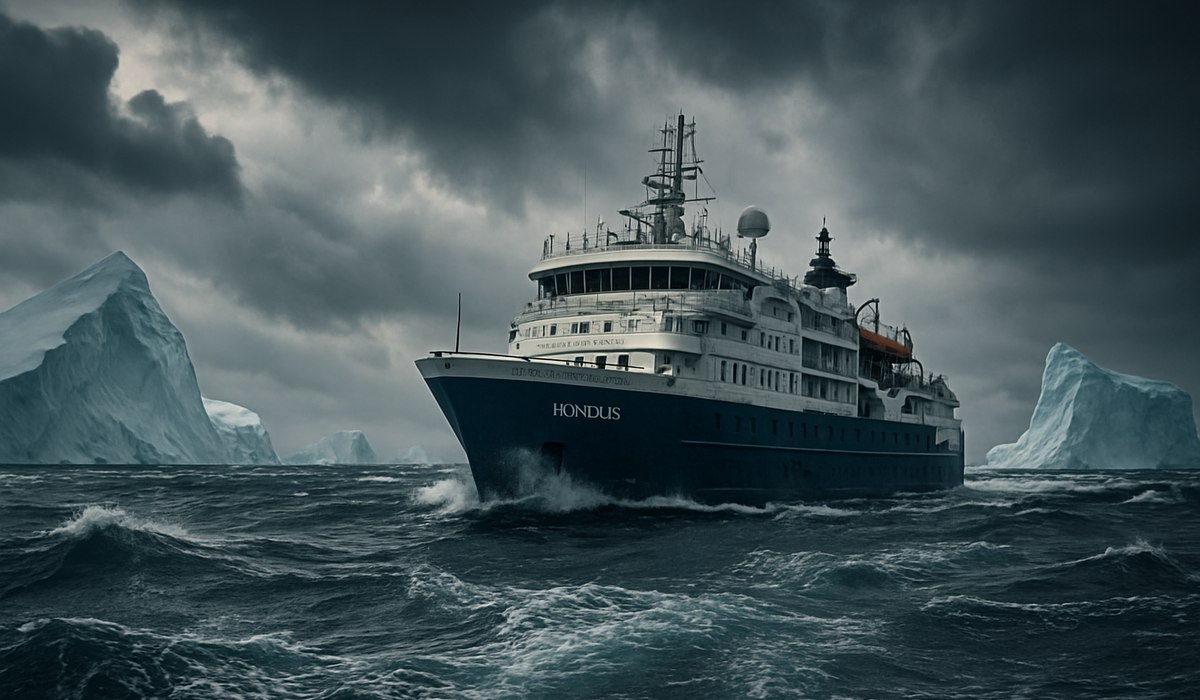
Image generated by AI
A Luxury Voyage Becomes a Global Health Crisis
A passenger's daily journal offers unprecedented insight into how the MV Hondius transformed from a dream Antarctic expedition into the center of a deadly hantavirus outbreak. The Dutch-flagged vessel, operated by Oceanwide Expeditions, departed Ushuaia, Argentina in early April 2026 carrying more than 140 passengers and crew members. What began as a once-in-a-lifetime polar journey to remote South Atlantic islands deteriorated rapidly as confirmed cases and deaths mounted throughout late April and early May. The personal account now circulating publicly reveals how travelers experienced the escalation firsthand—from casual wildlife lectures to emergency health protocols and cabin isolation. This passenger diary reveals the human dimension of infectious disease management aboard a modern expedition cruise, where close quarters, shared dining spaces, and limited medical facilities transformed routine operations into a containment challenge.
From Antarctic Dream to Health Emergency
The Hondius set sail on what appeared to be an expertly planned polar expedition. The voyage included planned landings in Antarctica, South Georgia, and remote islands, with scheduled passage through the South Atlantic before heading toward Europe's Canary Islands. According to published timelines, the first passenger to develop symptoms had weeks of overland travel through Argentina and Chile before boarding—a critical detail that underscores the long incubation period of Andes hantavirus.
Early voyage days featured the hallmarks of upscale expedition cruising: wildlife lectures, photography workshops, zodiac excursions among penguin colonies, and communal dining experiences. Passengers shared binoculars on observation decks and formed the tight-knit bonds typical of small-ship polar tourism. The atmosphere felt secure, controlled, and entirely routine.
Warning signs emerged subtly. The diarist notes fellow travelers absent from dinner, corridor whispers about "a bad flu," and increased staff presence around certain cabins. Initially, most passengers perceived the situation as contained—a single medical issue rather than the beginning of an outbreak that would eventually draw coordinated responses from health agencies across multiple continents and WHO monitoring.
When Whispers Became Warnings
By late April, the situation escalated dramatically. The passenger diary reveals how maritime communication shifted from itinerary updates to technical health terminology. References to South Georgia and Tristan da Cunha vanished, replaced by phrases like "incubation period," "pulmonary syndrome," and "negative pressure rooms."
According to regional health agencies and international coverage, confirmed cases reached eight, with three passenger deaths attributed to Andes hantavirus. The variant showed capacity for limited person-to-person transmission—a fact that fundamentally altered onboard dynamics. News bulletins about the outbreak arrived via the ship's limited internet connection, often hours after external reporting appeared on shore. This information lag intensified passenger anxiety considerably.
The diary documents how travelers attempted normalcy alongside growing uncertainty. Morning wildlife briefings transitioned to health updates via public address systems. Conversations shifted from camera equipment comparisons to discussions of Old World versus New World hantavirus strains and transmission mechanisms. Passengers scrutinized leaflets about rodent-borne diseases placed outside cabin doors, searching for reassurance that rarely came. The psychological toll manifested as people monitored their own vital signs obsessively while monitoring neighbors for symptoms.
Life in Isolation at Sea
When Cape Verdean authorities moved to restrict the ship's port access in early May, maritime operations underwent fundamental transformation. The diary describes a "soft" cabin confinement where passengers remained encouraged to stay in rooms while receiving limited, staggered access to open deck areas for fresh air. Crew members delivered meals to cabin doors, working in full protective equipment.
Public spaces that once hosted cocktails, lectures, and social gatherings became roped-off, silent zones. The soundscape changed from clinking glasses and conversation to constant ventilation systems and occasional coughs echoing through corridors. Carpets received less frequent vacuuming to prevent dust circulation, and staff opened windows whenever weather permitted.
Improvisation became survival strategy. Crew designated stairwells for upbound-only and downbound-only traffic to minimize close contact. Formal dining room seating charts disappeared, replaced by in-cabin meal delivery and staggered coffee machine access. Cabin doors remained propped open for shouted conversations with neighbors. Notes slipped under doors facilitated sharing of books, puzzles, phone charging cables, and emotional support.
The diarist notes that crew members faced even greater challenges, many separated from families in the Philippines and other distant nations while managing a health emergency. The burden on these workers—already operating in cramped crew quarters with limited isolation options—received scant attention from passengers preoccupied with their own circumstances.
The Long Incubation Period Challenge
Andes hantavirus presents unique maritime challenges due to its extended incubation period, which can extend two to four weeks post-infection. This lag means infected individuals board ships entirely asymptomatic, making pre-departure health screening ineffective. The Hondius outbreak demonstrates how polar expedition cruising—which attracts travelers from dozens of countries with overlapping itineraries through remote regions—creates ideal conditions for disease amplification.
The passenger diary reveals how this scientific reality created psychological pressure. Travelers questioned whether they contracted infection during early voyage days before anyone showed obvious symptoms. The uncertainty persisted for weeks, as passengers couldn't know their own infection status with certainty. Some displayed mild symptoms but couldn't distinguish between ordinary cold, altitude-related illness from Patagonian travel, or early hantavirus progression.
This incubation reality forced extended quarantine protocols well beyond the initial illness discovery, since maritime authorities couldn't definitively clear passengers until they'd observed symptom-free periods matching the disease's maximum latency window. For passengers who'd invested $15,000–$25,000 in their expedition experience, extending confinement represented both health necessity and emotional hardship.
Key Data Table
| Category | Detail |
|---|---|
| Vessel | MV Hondius (Dutch-flagged, Oceanwide Expeditions) |
| Departure Port | Ushuaia, Argentina (early April 2026) |
| Total Persons Aboard | 140+ passengers and crew |
| Confirmed Hantavirus Cases | 8 infections |
| Deaths Attributed | 3 passengers |
| Virus Strain | Andes hantavirus (New World variant) |
| Incubation Period | 2–4 weeks post-exposure |
| Person-to-Person Transmission | Limited capacity confirmed |
| First Symptom Onset | Days into voyage |
| Confinement Period | Late April–early May 2026 |
| Destination Diversion | Course altered to Canary Islands |
| Key Health Challenge | Asymptomatic boarding, extended incubation |
What This Means for Travelers
The Hondius outbreak carries critical implications for expedition cruising and remote travel:
-
Extended Health Screening Requirements: Expect more rigorous pre-embarkation health protocols for polar and remote voyages. Many cruise operators now require health questionnaires, proof of recent testing, and pre-travel medical documentation. Plan voyages conservatively, understanding that additional screening may cause boarding delays.
-
Understand Regional Disease Risks: Before booking South American adventures, research local rodent-borne pathogens in Patagonia and the Andes. Avoid contact with rodents and their droppings. Purchase comprehensive travel health insurance covering evacuation from remote locations, which can exceed $100,000 in polar regions.
-
Accept Flexible Itineraries: Expedition cruises increasingly include clauses permitting route changes, port diversions, and extended confinements based on health emergencies. Read cruise contracts thoroughly and understand that your anticipated Antarctic landing may be replaced by different (or no) landings.
-
Prepare Mentally for Isolation: If booking expeditions to remote
Disclaimer
This article is for informational and educational purposes only. It does not constitute legal, financial, or professional advice. While we strive to provide accurate and up-to-date information, travel policies, regulations, and conditions change rapidly. Always verify information with official sources before making travel decisions. Nomad Lawyer makes no representations about the accuracy, reliability, completeness, or suitability of the information provided. Readers should consult qualified professionals for advice specific to their circumstances. The views expressed in this article are those of the author and do not necessarily reflect the views of Nomad Lawyer.
Preeti Gunjan
Contributor & Community Manager
A passionate traveller and community builder. Preeti helps grow the Nomad Lawyer community, fostering engagement and bringing the reader experience to life.
Learn more about our team →