
American Passenger Recounts Life Aboard Virus-Hit MV Hondius in May 2026
An American traveler documents deteriorating conditions aboard the MV Hondius as a suspected hantavirus outbreak strands 150 passengers and crew off West Africa in indefinite maritime quarantine during May 2026.

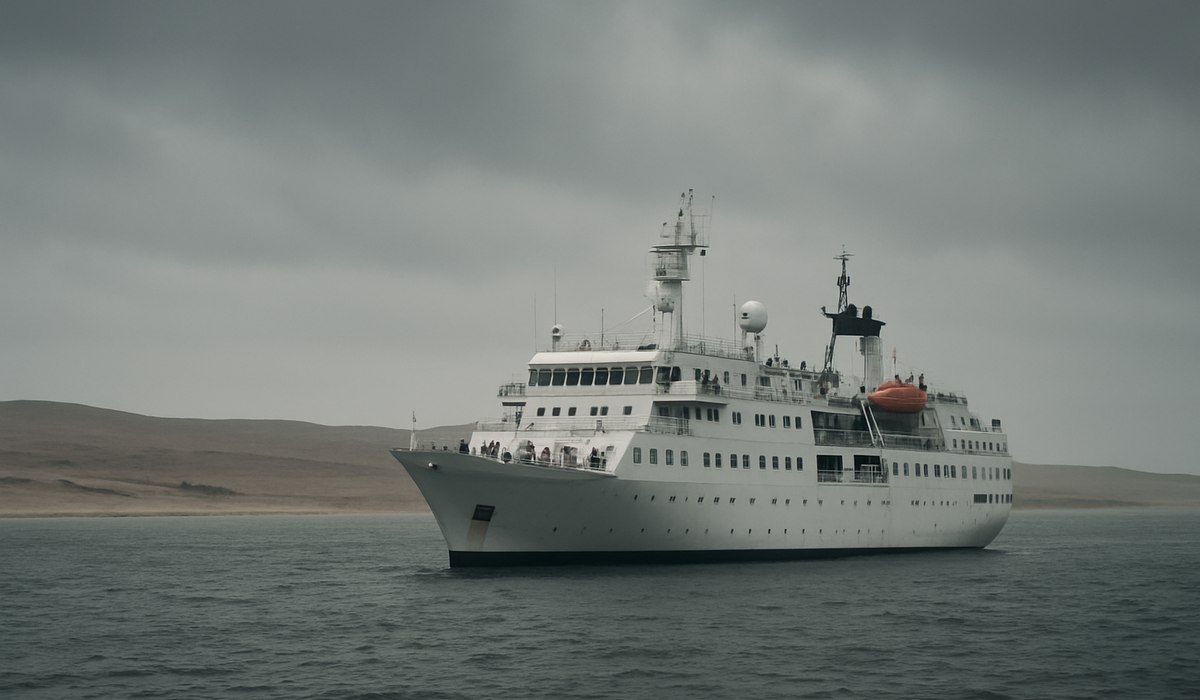
Image generated by AI
An American Traveler's Firsthand Account from the Stranded MV Hondius
An American passenger recounts life aboard the virus-stricken MV Hondius, anchored off West Africa with approximately 150 crew members and travelers in extended isolation. What began as an Antarctic expedition in early April transformed into an indefinite maritime quarantine when a suspected hantavirus outbreak claimed three lives and triggered health agency investigations affecting dozens more. The Dutch-flagged vessel departed Ushuaia, Argentina, scheduled to conclude in Cape Verde by early May, but port authorities have ordered the ship to remain at sea pending health clearance. The American traveler's documented observations reveal how expedition cruise expectations collapsed into cabin confinement, restricted movement, and mounting psychological strain among a previously tight-knit group now separated by health protocols.
From Expedition Voyage to Prolonged Isolation
The MV Hondius embarked on an ambitious Antarctic and remote Atlantic islands itinerary in early April 2026, carrying primarily European and North American passengers. The voyage promised zodiac landings, wildlife viewing, and expert lectures across some of Earth's most isolated regions. However, mid-April disrupted this itinerary when a Dutch passenger developed acute respiratory symptoms and subsequently died, followed by additional serious illnesses and two more deaths linked to suspected hantavirus transmission.
Health authorities documented at least seven confirmed or suspected cases by early May, with dozens of additional passengers and crew undergoing symptom monitoring. The American passenger recounts an abrupt operational shift: shore excursions ceased, group gatherings were canceled, and maritime life compressed into individual cabins. Cape Verde port authorities instructed the vessel to remain anchored offshore indefinitely, transforming what travelers anticipated as a once-in-a-lifetime adventure into an open-ended quarantine experience. This situation parallels previous cruise ship outbreaks documented by CDC maritime health divisions, though the remote location and suspected hantavirus pathogen create unique containment challenges.
Cabin Life, Restricted Movement and New Routines
Life aboard the MV Hondius has reorganized entirely around containment protocols rather than exploration. The American passenger recounts cabin doors remaining consistently shut, with social corridors transformed from bustling passageways into isolated corridors. Staggered and cabin-delivered meal services now replace communal dining experiences, particularly affecting passengers identified as close contacts of suspected cases.
Passengers describe adapting to confined spaces measuring only a few square meters. Beds function as workspaces, window ledges become makeshift exercise equipment, and narrow balconies provide precious fresh air exposure. Daily routines have acquired heightened psychological importance: residents establish strict schedules incorporating stretching, digital journaling, and virtual messaging-app meetups to manage stress and maintain mental stability. Those permitted brief deck time stand at prescribed distances, treating glimpses of the Cape Verde coastline as both reassurance and reminders of their confinement.
Shipboard ventilation systems provide constant background ambiance, emphasizing the environmental shift from exploration vessel to floating quarantine facility. The American passenger documents this controlled environment as simultaneously protective and deeply unsettling—necessary for viral containment yet psychologically taxing for extended periods.
Health Crisis and Port Authority Response
The suspected hantavirus outbreak represents an exceptionally serious maritime health emergency. Unlike influenza or gastroenteritis typical aboard cruise ships, hantavirus carries documented high fatality rates and limited treatment options. Three passenger deaths coupled with seven confirmed or suspected cases have triggered coordinated responses from West African health authorities, Dutch maritime regulators, and international disease surveillance networks.
Port authorities in Cape Verde implemented the anchoring directive after initial contamination assessments. This decision prevents shore access that could spread infection to island populations while maintaining vessel logistics for crew and supply operations. Medical evacuations occurred for the most critically ill patients, though the American passenger recounts uncertainty about evacuation timelines and criteria for additional removals.
The isolation strategy reflects international maritime health protocols established by the International Maritime Organization for disease containment aboard vessels. However, the remote Atlantic location complicates coordination with medical facilities, evacuation resources, and supply chains. Passengers report inconsistent communication about testing procedures, case counts, and expected quarantine duration.
What Happens Next for Stranded Passengers
Resolution timelines remain uncertain as of early May 2026. Port authorities must authorize departure only after confirmed disease containment and negative test results for symptomatic individuals and close contacts. This process typically requires 10-14 days beyond the last documented case, potentially extending isolation into mid-to-late May.
The American passenger and fellow travelers face several likely scenarios. Some may qualify for medical evacuation to regional hospitals or their home countries, depending on symptom status and government repatriation agreements. Others may be transported to designated quarantine facilities in West African or European ports. The remaining asymptomatic majority will likely remain aboard under modified protocols until maritime authorities declare the vessel safe for unrestricted movement.
Insurance and liability questions loom large. Many passengers purchased travel insurance that may or may not cover outbreak-related quarantines, medical expenses, and extended displacement from home. The American passenger documents conversations about potential lawsuits against the cruise operator, tour operator, and relevant health authorities. Cruise industry observers note this incident will likely reshape expedition vessel health protocols and passenger communication standards for years ahead.
Key Facts and Timeline: MV Hondius Outbreak Response
| Aspect | Details |
|---|---|
| Vessel Name | MV Hondius (Dutch-flagged expedition cruise ship) |
| Departure Port | Ushuaia, Argentina |
| Departure Date | Early April 2026 |
| Scheduled Conclusion | Early May 2026, Cape Verde |
| First Death | Mid-April 2026, Dutch passenger with acute respiratory symptoms |
| Total Deaths | Three confirmed as of May 7, 2026 |
| Confirmed/Suspected Cases | Minimum seven cases under investigation |
| Additional Monitoring | Dozens of passengers and crew |
| Current Location | Anchored off Cape Verde, West Africa |
| Total Passengers & Crew | Approximately 150 individuals |
| Primary Pathogen | Suspected hantavirus (unconfirmed as of reporting date) |
| Primary Nationality | Mix of European and North American travelers, including American citizens |
| Port Authority Status | Ordered vessel to remain at sea pending health clearance |
What This Means for Travelers
1. Verify Outbreak Insurance Coverage: Review your travel insurance policy's pandemic and infectious disease clauses before booking expedition cruises. Many standard policies exclude epidemic-related quarantines and medical evacuations. Consider purchasing supplemental maritime health coverage for remote voyages.
2. Assess Expedition Cruise Health Protocols: Inquire specifically about shipboard medical facilities, quarantine procedures, and evacuation capabilities before booking. Request written communication about ventilation systems, sanitization procedures, and passenger isolation protocols for suspected infectious disease outbreaks.
3. Research Regional Healthcare Infrastructure: Understand medical facility quality and accessibility in your cruise itinerary's remote destinations. The MV Hondius situation underscores how geographic isolation complicates emergency response and evacuation procedures.
4. Maintain Updated Emergency Contacts: Provide your cruise operator and your embassy with current family contact information, medical history, and medication requirements. Ensure embassy staff know you're aboard specific vessels traveling to remote regions.
5. Monitor Pre-Departure Health Communications: Cruise operators should provide transparent, regular updates about any suspected outbreaks, cases, or health protocols. If communications become vague or inconsistent, consider rescheduling your voyage.
6. Document Everything: The American passenger recounts that detailed personal documentation proved invaluable for insurance claims, communication with family, and potential legal proceedings. Photograph cabin conditions,
Disclaimer
This article is for informational and educational purposes only. It does not constitute legal, financial, or professional advice. While we strive to provide accurate and up-to-date information, travel policies, regulations, and conditions change rapidly. Always verify information with official sources before making travel decisions. Nomad Lawyer makes no representations about the accuracy, reliability, completeness, or suitability of the information provided. Readers should consult qualified professionals for advice specific to their circumstances. The views expressed in this article are those of the author and do not necessarily reflect the views of Nomad Lawyer.
Kunal K Choudhary
Co-Founder & Contributor
A passionate traveller and tech enthusiast. Kunal contributes to the vision and growth of Nomad Lawyer, bringing fresh perspectives and driving the community forward.
Learn more about our team →