
Indians Among Crew Stranded After Hantavirus Outbreak on MV Hondius
Two Indian seafarers remain aboard MV Hondius in the Atlantic after a deadly hantavirus outbreak kills three passengers in 2026. The Dutch expedition ship holds 150 people as health investigations continue off West Africa.

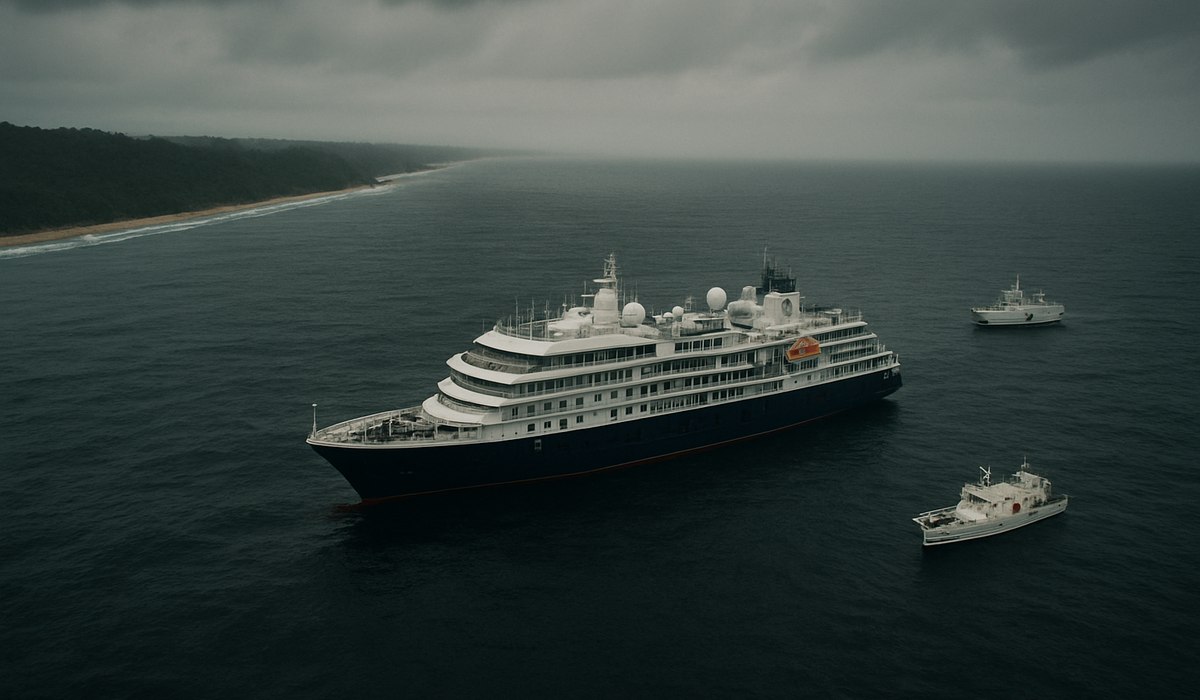
Image generated by AI
Two Indian Crew Members Trapped Aboard Virus-Stricken Expedition Vessel
Two Indian seafarers remain stranded aboard the MV Hondius, a Dutch-operated expedition cruise ship anchored off West Africa following a catastrophic hantavirus outbreak in the Atlantic. Approximately 150 people are confined to the vessel after three passengers died and multiple others contracted the virus during an Antarctic expedition voyage that departed from Ushuaia, Argentina in early April 2026. The Indian crew members' families await medical clearance as international health authorities investigate the outbreak's origin and scope. This incident underscores growing vulnerabilities within the global maritime workforce, where workers from developing nations often serve aboard international vessels with limited communication protocols during health emergencies.
Indian Crew Members Caught in Mid-Ocean Health Crisis
The two Indians among crew aboard MV Hondius represent part of a diverse international team now subject to mandatory health monitoring and restricted movement. While their specific medical status remains undisclosed, families in India have expressed growing concern about the slow pace of evacuation procedures and definitive clearance timelines. Media coverage from India highlights the anxious waiting periods families endure when maritime workers fall into unexpected crises at sea.
The expedition had marketed itself as a premium polar adventure, attracting passengers from Europe, North America, and Asia. However, what began as a once-in-a-lifetime journey transformed into a prolonged medical ordeal when crew members and passengers began exhibiting severe respiratory symptoms. The delayed identification of hantavirus—initially not suspected until early May—meant the virus circulated among confined populations for weeks before comprehensive testing commenced.
Unlike Filipino crew members who tested negative according to official statements, the status of Indian nationals has remained less transparent. This information asymmetry reflects broader communication gaps between cruise operators, flag state authorities, and workers' home countries during maritime emergencies. Indian diaspora networks and labor organizations have called for improved transparency and faster evacuation protocols specifically protecting vulnerable workforce populations.
Global Maritime Workforce Vulnerable to Shipboard Outbreaks
Indians among crew populations represent a critical segment of the international maritime industry, with thousands serving aboard foreign-flagged vessels annually. For many Indian seafarers, extended contracts on expedition ships provide essential income and career advancement opportunities. However, events like the MV Hondius outbreak expose significant gaps in worker protection frameworks during disease outbreaks at sea.
Expedition cruising—which typically visits remote, isolated locations—presents unique infection control challenges compared to conventional cruise operations. Passengers and staff frequently encounter wildlife, visit contaminated terrestrial environments, and return to confined shipboard quarters. The concentration of international workers from multiple nations aboard single vessels amplifies transmission risks when pathogens emerge unpredictably.
Maritime labor organizations have documented cases where workers from South Asian nations experience delayed medical information, slower evacuation prioritization, and reduced family communication access during crises. The MV Hondius situation has reignited calls for binding international protocols requiring real-time health updates to workers' home governments and mandatory evacuation timelines based on medical necessity rather than operational convenience.
From Antarctic Adventure to Atlantic Quarantine: The Outbreak Timeline
The MV Hondius departed Ushuaia on April 1, 2026, with over 100 passengers and an international crew anticipating visits to Antarctic waters, remote South Atlantic islands, and premium birdwatching locations. The vessel's ice-capable designation and expedition pedigree suggested a premium, well-managed voyage through Earth's most pristine environments.
First documented illness occurred mid-April, with one passenger fatality reported before the ship disembarked the deceased at remote Saint Helena island. Voyage continuation seemed routine until early May, when additional severe respiratory cases triggered wider medical concern. Health officials eventually identified Andes hantavirus—a deadly South American strain capable of limited person-to-person transmission—as the outbreak agent.
By the time MV Hondius approached Cape Verde waters, at least eight suspected or confirmed hantavirus cases had emerged, with three confirmed deaths. Port authorities refused vessel docking, forcing the ship to remain anchored offshore while international authorities debated quarantine procedures and evacuation logistics. The decision to keep approximately 150 people aboard during active investigation reflected concerns about spreading infection to port communities, effectively creating a floating quarantine zone.
Health Protocols and Evacuation Challenges at Sea
Hantavirus cardiopulmonary syndrome—the clinical manifestation identified among MV Hondius passengers—represents a medical emergency with historical fatality rates between 30 and 50 percent in severe cases. Early symptoms mimic influenza, complicating initial diagnosis in diverse patient populations from different geographic regions with varying baseline health profiles.
Andes hantavirus differs critically from most hantavirus strains through documented person-to-person transmission capability, typically among close contacts. Confined shipboard environments with shared ventilation systems, communal dining areas, and limited isolation facilities create optimal conditions for viral propagation. This transmission mechanism fundamentally altered evacuation protocols, requiring isolation measures rather than simple medical transport.
Health authorities implemented mandatory testing protocols for all remaining ship population. Crew members—including the two Indians among crew—faced extended monitoring periods before receiving clearance for disembarkation. Families reported waiting two to three weeks without definitive health status communications, creating psychological strain alongside physical confinement.
The evacuation's slow pace reflected competing priorities: preventing virus spread to coastal communities while maintaining adequate medical care aboard the vessel. Limited helicopter evacuation capacity for remote Atlantic locations, combined with international diplomatic negotiations regarding passenger repatriation destinations, created bottlenecks in medical evacuation procedures. Indian government inquiries reportedly sought accelerated clearance for Indian nationals, reflecting diplomatic pressure from New Delhi.
Key Data on the MV Hondius Crisis
| Metric | Detail |
|---|---|
| Total People Stranded | Approximately 150 passengers and crew |
| Confirmed Deaths | 3 passengers (as of May 8, 2026) |
| Suspected/Confirmed Cases | At least 8 hantavirus cases identified |
| Indian Crew Members Affected | 2 individuals remaining aboard |
| Voyage Origin/Destination | Ushuaia, Argentina to remote Atlantic waters |
| Outbreak Detection Timing | Mid-April illness; May early diagnosis |
| Hantavirus Strain | Andes virus (South American) |
| Transmission Capability | Person-to-person (limited, close contact) |
| Fatality Rate Range | 30-50% for severe cases historically |
| Ship Flag/Operator | Dutch-operated expedition vessel |
| Quarantine Location | Anchored off West Africa (Cape Verde vicinity) |
| Communication Status | Limited family updates reported |
What This Means for Travelers
The MV Hondius outbreak carries significant implications for adventure cruise passengers and maritime workers globally. Here's what travelers should understand:
-
Expedition Cruises Require Enhanced Health Screening: Passengers visiting remote environments with wildlife exposure should complete comprehensive pre-departure health declarations and understand regional disease risks. Ask cruise operators about passenger screening protocols and specific training for shore excursions in potentially contaminated environments.
-
Verify Outbreak Investigation Procedures: Before booking expedition voyages, request documented outbreak response protocols. Reputable operators should provide written procedures detailing communication protocols, evacuation timelines, and worker protection measures specific to disease outbreaks at sea.
-
Check Crew Composition and Labor Standards: The vulnerability of Indian seafarers reflects broader maritime labor gaps. Support cruise operators meeting International Maritime Organization worker protection standards and offering transparent crew communication practices during emergencies.
-
Understand Hantavirus Exposure Risks: Travelers participating in Antarctic, Patagonian, or South American expeditions face minimal hantavirus risk with proper precautions. Avoid direct rodent contact, use
Disclaimer
This article is for informational and educational purposes only. It does not constitute legal, financial, or professional advice. While we strive to provide accurate and up-to-date information, travel policies, regulations, and conditions change rapidly. Always verify information with official sources before making travel decisions. Nomad Lawyer makes no representations about the accuracy, reliability, completeness, or suitability of the information provided. Readers should consult qualified professionals for advice specific to their circumstances. The views expressed in this article are those of the author and do not necessarily reflect the views of Nomad Lawyer.
Raushan Kumar
Founder & Lead Developer
Full-stack developer with 11+ years of experience and a passionate traveller. Raushan built Nomad Lawyer from the ground up with a vision to create the best travel and law experience on the web.
Learn more about our team →