
Panama Tourism Trends 2026: Expanding Beyond the Panama Canal to Eco-Adventures and Islands
Panama is evolving into a diverse Central American hub in 2026, leveraging Tocumen International Airport to drive growth in sustainable tourism, Caribbean island escapes, and highland adventure travel.

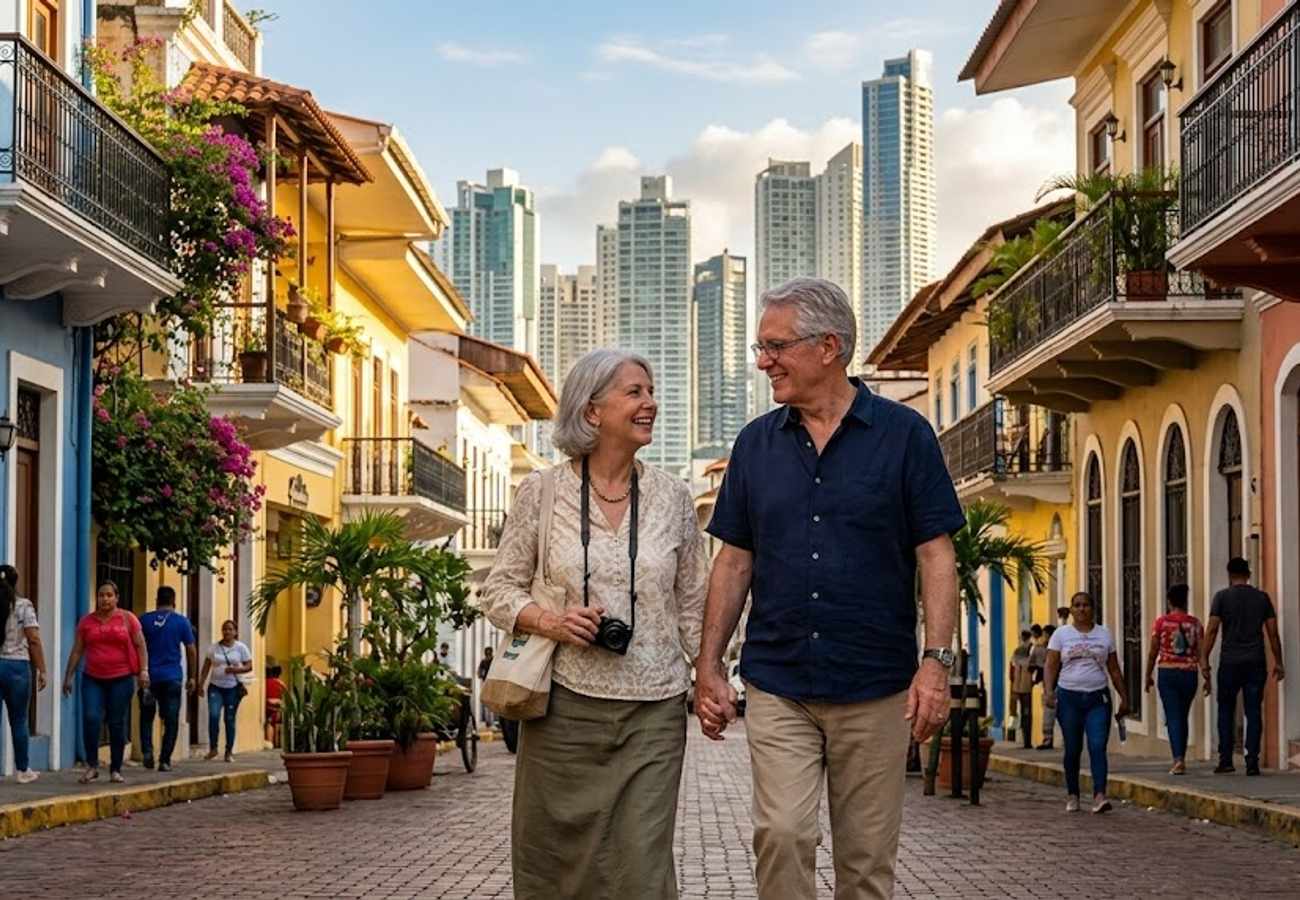
Image generated by AI
Panama is diversifying its tourism portfolio in 2026, shifting from a single-attraction destination to a multi-regional hub of biodiversity and luxury.
The nation is currently leveraging its strategic geography and upgraded infrastructure to attract a broader demographic of global travelers. While the Panama Canal remains the primary anchor, there is a measurable shift toward the Caribbean coast, the western highlands, and indigenous-led cultural experiences.
The Infrastructure Engine: Tocumen and Beyond
The growth of Panama's travel sector is inextricably linked to Tocumen International Airport (PTY). As one of Latin America's premier aviation hubs, PTY provides the necessary connectivity for visitors to integrate urban stays in Panama City with remote excursions. This accessibility is supported by a network of modern highways and domestic ferry services that reduce the friction of traveling between the Pacific and Caribbean coasts.
Diversified Regional Attractions
Current market trends show travelers moving beyond the capital to explore four distinct zones:
- The Engineering Core: The Panama Canal and the Miraflores Visitor Centre continue to lead in visitor volume, focusing on maritime trade history and global commerce.
- Urban Contrast: Panama City blends the high-rise modernism of the financial district with the colonial architecture of Casco Viejo, a UNESCO World Heritage site.
- Caribbean Escapes: Bocas del Toro is the primary draw for surfing and snorkeling, while the San Blas Islands offer a more secluded experience managed by the Indigenous Guna people.
- Highland Adventure: Boquete has emerged as the center for eco-tourism, characterized by coffee plantation tours, volcanic landscapes, and a cooler climate that contrasts with the coastal humidity.
Strategic Focus on Sustainability and Biodiversity
Panama is positioning itself as a biodiversity hotspot. The tourism strategy for 2026 emphasizes "responsible travel," moving away from mass tourism toward community-based initiatives. This includes the expansion of eco-lodges and marine protection programs designed to safeguard coral reefs, mangrove ecosystems, and sea turtle nesting sites.
Essential Visitor Data for 2026
| Category | Details |
|---|---|
| Primary Gateway | Tocumen International Airport (PTY) |
| Peak Travel Window | December to April (Dry Season) |
| Accepted Currency | Panamanian Balboa (PAB) and U.S. Dollar (USD) |
| Key Hubs | Panama City, Bocas del Toro, Boquete, San Blas Islands |
| Primary Activities | Canal tours, island hopping, birdwatching, coffee tours |
Why This Matters: Industry Analysis
From a logistical perspective, Panama's 2026 strategy is a blueprint for "hub-and-spoke" tourism. By using Panama City and Tocumen Airport as the central hub, the country can efficiently distribute tourists into high-value, low-impact eco-zones.
For the traveler, the real impact is the ability to experience three vastly different climates—tropical coast, urban metropolis, and cloud forest—within a single itinerary. This variety increases the "average length of stay," which directly boosts the local economy beyond the traditional canal-tour day-trippers. The integration of the Guna people in the San Blas Islands also signals a shift toward ethical tourism, where indigenous sovereignty is prioritized over corporate resort development.
Forward Outlook
Expect continued investment in domestic aviation and ferry infrastructure to further shorten the transit time between the capital and the Caribbean coast. As sustainable travel becomes a non-negotiable for Gen Z and Millennial travelers, Panama's aggressive push into eco-lodges and wildlife conservation will likely result in a higher yield per visitor, prioritizing environmental health over raw passenger counts.
A strategic blend of engineering marvels and raw nature makes Panama a primary contender for the 2026 travel calendar.
Related Travel Guides
Disclaimer
This article is for informational and educational purposes only. It does not constitute legal, financial, or professional advice. While we strive to provide accurate and up-to-date information, travel policies, regulations, and conditions change rapidly. Always verify information with official sources before making travel decisions. Nomad Lawyer makes no representations about the accuracy, reliability, completeness, or suitability of the information provided. Readers should consult qualified professionals for advice specific to their circumstances. The views expressed in this article are those of the author and do not necessarily reflect the views of Nomad Lawyer.
Kunal K Choudhary
Co-Founder & Contributor
A passionate traveller and tech enthusiast. Kunal contributes to the vision and growth of Nomad Lawyer, bringing fresh perspectives and driving the community forward.
Learn more about our team →