
Austria vs Switzerland: Which Destination Better Suits Travelers in 2026?
Austria and Switzerland both offer Alpine scenery and excellent infrastructure in 2026, but they cater to different traveler types. Austria delivers better value and café culture, while Switzerland excels in mountain precision and iconic lakes. Which suits your 2026 trip?

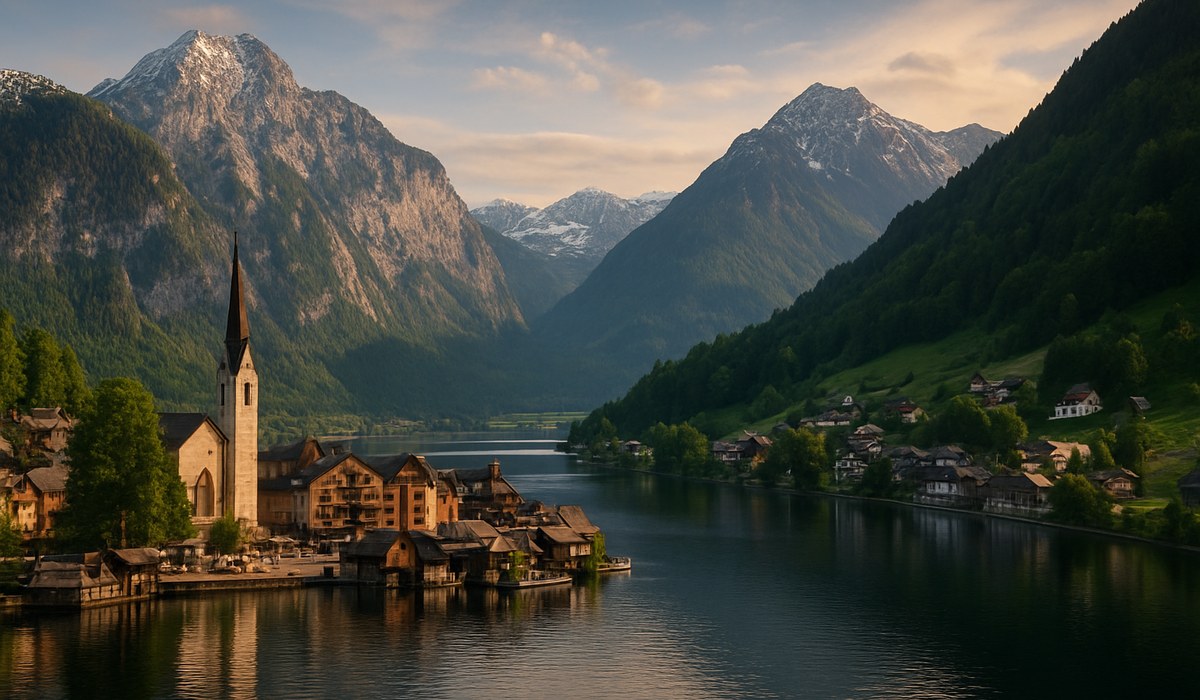
Image generated by AI
Austria vs Switzerland: Which Destination Better Suits Travelers in 2026?
Austria and Switzerland remain Europe's premier Alpine destinations heading into spring 2026, yet each country delivers fundamentally different travel experiences. While both nations boast dramatic mountain vistas, efficient rail networks and charming villages, the atmosphere, costs and cultural focus diverge sharply. For travelers planning their 2026 Alpine adventure, understanding which destination aligns with your priorities—whether budget, culture, outdoor intensity or leisurely exploration—becomes essential before booking flights or rail passes.
Cultural Atmosphere Sets Austria Apart From Switzerland
Austria projects a distinctly relaxed, music-infused character that contrasts with Switzerland's corporate precision. Vienna, Salzburg and Graz pulse with coffeehouse traditions, imperial architecture and live classical performances that define the Austrian travel experience. These cities celebrate gemütlichkeit—that ineffable sense of warm comfort—through late-night café culture and neighborhood taverns rather than luxury dining alone.
Switzerland's urban centers like Zurich and Geneva exude international sophistication and banking-sector professionalism. Historic old towns coexist with modern amenities, but the overall mood feels more orderly and formally polished. For culture-focused travelers, Austria's emphasis on Mozart heritage and imperial splendor typically resonates deeper than Switzerland's art and design museum scene. Salzburg's annual music festival draws classical enthusiasts worldwide, cementing Austria's cultural advantage for certain traveler demographics.
Both countries excel at nightlife in different registers. Austria leans into traditional beer halls and wine taverns with live orchestral performances, while Switzerland concentrates nightlife in Zurich's upscale cocktail bars and resort-town clubs where premium pricing reflects broader cost structures.
Budget Reality: Austria Stretches Traveler Funds Further
The cost gap between austria switzerland which destination you choose dramatically impacts total trip spending. Austria consistently delivers better value across accommodation, dining and mountain activities. A mid-range traveler in Vienna might secure a comfortable three-star hotel room for 90-130 EUR nightly; the same standard in Zurich or Geneva demands 160-220 EUR or higher.
Restaurant meals tell the same story. A casual lunch in Austria's major cities costs 12-18 EUR, while comparable meals in Switzerland range from 22-35 EUR. Daily budgets for travelers illustrate this distinction clearly: Austria allows sustainable mid-range travel at 100-150 EUR daily, whereas Switzerland requires 180-280 EUR for equivalent comfort levels.
Mountain activities amplify the disparity. Swiss scenic railways command premium fees—the Jungfraujoch journey from Interlaken costs 210 EUR roundtrip, while Austrian cable car systems typically charge 25-40 EUR. Ski passes exemplify this further: Zermatt and St. Moritz season passes exceed 2,500 EUR annually, compared to Austrian resorts in Vorarlberg or Tyrol at 1,200-1,800 EUR. For budget-conscious travelers planning extended Alpine stays, Austria unquestionably stretches resources further without compromising quality infrastructure or scenery.
Alpine Landscapes: Switzerland's Famous Views Versus Austria's Hidden Gems
Switzerland's landscapes dominate global tourism imagery. Lake Lucerne's crystalline waters, the Jungfraujoch's ice fields and Zermatt's Matterhorn vistas have earned iconic status for legitimate reasons—dramatic elevation, polished accessibility and postcard perfection converge seamlessly. Interlaken's position between twin lakes provides unmatched scenic density for time-limited visitors.
Austria's Alpine geography offers equally compelling but less internationally marketed alternatives. The Salzkammergut lake region rivals Swiss lakeside beauty with softer, more intimate compositions. Tyrolean valleys showcase traditional villages, extensive hiking networks and cable car systems reaching alpine viewpoints without the crowding or expense found in Switzerland's most famous destinations. Vorarlberg's ranges attract serious hikers seeking authentic mountain experiences beyond tourism infrastructure.
For accessibility, Switzerland excels through railway density—cable cars and scenic trains reach high-altitude viewpoints efficiently, accommodating travelers with mobility constraints or time limitations. Austria counters with thousands of marked hiking trails, mountain hut systems and quieter alpine routes enabling longer, slower explorations at lower costs. The ÖBB Austrian Railways pass system provides excellent value for multi-day rail exploration across both countries.
Infrastructure and Transportation: Both Excel With Different Strengths
Both nations operate world-class public transit systems, but their approaches differ meaningfully. Austria's rail network emphasizes affordable, frequent connections linking major cities and remote alpine villages. The ÖBB system integrates buses, trains and cable cars seamlessly, allowing travelers to navigate without rental vehicles.
Switzerland's transport infrastructure emphasizes precision timing and technological sophistication. Trains depart exactly on schedule; connections synchronize perfectly; journey planning apps provide real-time updates. The Swiss Travel Pass offers unlimited rail, bus and boat access but commands premium pricing—70 CHF daily for multiple zones. Austria's equivalent rail passes cost considerably less while covering comparable geographic coverage.
Airport access favors neither definitively. Vienna International Airport (VIE) and Zurich Airport (ZRH) both offer excellent connections to city centers via rail within 15-20 minutes. Geneva Airport (GVA) similarly connects efficiently. For travelers arriving from non-European hubs, Switzerland's Zurich may offer more direct flight options, while Austria attracts budget carriers serving Vienna and Salzburg.
Mountain Sports and Seasonal Activities Define Trip Timing
Winter sports enthusiasts face a genuine dilemma between austria switzerland which region prioritizes their needs. Switzerland's top-tier resorts command premium prices but deliver extensive terrain, reliable snowfall and sophisticated après-ski infrastructure. Zermatt and Verbier attract experienced skiers globally.
Austria's ski areas like Sölden, St. Anton and Zillertal offer extensive terrain, modern lifts and strong snow conditions at 30-40% lower daily costs. Spring skiing in Austria extends later into season compared to Swiss resorts. Summer activities favor Austria for value—hiking, mountain biking and trail running networks stretch longer and more affordably than Swiss equivalents.
Both countries host June-September peak hiking seasons with identical trail quality and safety standards. Austria's trail density enables multi-week exploration on modest budgets, while Switzerland's accessibility favors shorter intensive experiences.
Key Comparison Table: Austria vs Switzerland 2026
| Metric | Austria | Switzerland | Advantage |
|---|---|---|---|
| Daily Budget (Mid-Range) | 100-150 EUR | 180-280 EUR | Austria |
| Hotel Room (3-Star Nightly) | 90-130 EUR | 160-220 EUR | Austria |
| Restaurant Lunch | 12-18 EUR | 22-35 EUR | Austria |
| Cable Car Ride | 25-40 EUR | 35-60 EUR | Austria |
| Ski Season Pass (Annual) | 1,200-1,800 EUR | 2,200-2,800 EUR | Austria |
| Lake Scenery Quality | Excellent | Iconic | Switzerland |
| City Culture Depth | World-Class | Strong | Austria |
| Trail Network Density | Extensive | Accessible | Austria |
| Peak Season Crowds | Moderate | Heavy | Austria |
| Railway Precision | Reliable | Perfect | Switzerland |
What This Means for Travelers Planning 2026 Alpine Trips
Your choice between austria switzerland which destination depends on prioritizing specific factors:
-
Budget-First Travelers: Select Austria. Mid-range comfort, mountain activities and multi-week stays remain affordable without sacrificing infrastructure quality or scenery.
-
Culture Enthusiasts: Choose Austria. Vienna's museums, Salzburg's music heritage and traditional café society provide deeper cultural immersion than Swiss cities.
-
Iconic Scenery Chasers: Pick Switzerland. Lake Lucerne, the Jungfraujoch and Matterhorn deliver globally famous vistas within efficient day-trip distances.
-
Serious Alpine Hikers: Select Austria. Extensive trail networks, mountain hut systems and lower costs enable month-long explorations impossible on Swiss budgets.
-
Luxury Resort Seekers: Choose Switzerland. St. Moritz, Zermatt and Interlaken offer premium facilities and exclusive experiences worth premium pricing.
-
Time-Limited Visitors: Pick either—optimize for your season and interests, but budget accordingly.
-
Extended Spring/Autumn Stays: Select Austria. Better value maintains comfort during shoulder seasons when Swiss pricing remains high.
Frequently Asked Questions
Which Austria Switzerland which destination costs less overall? Austria delivers significantly lower costs across accommodation, dining, mountain activities and transportation. Budget travelers spend 40-50% less in Austria for equivalent mid-range comfort. Daily budgets of 100-150 EUR sustain comfortable Austria travel, compared to 180-280 EUR in Switzerland.
What's better for first-time Alpine visitors—austria switzerland which? First-time travelers benefit from Switzerland's concentrated iconic scenery and precision infrastructure, but Austria offers better value, deeper culture and easier budget management. Ideally, combine both countries in a single 10-14 day trip.
Which country has better hiking—austria switzerland which option? Austria offers more extensive trail networks, lower costs and quieter routes ideal for multi-week explorations. Switzerland excels at accessibility—cable cars and railways reach alpine viewpoints with minimal effort, suiting time-limited visitors. Both countries maintain identical trail quality and safety standards.
When should travelers visit austria switzerland which country during 2026? April-May and September-October offer optimal conditions in both countries with fewer crowds and moderate prices. July-August peaks in both; December-February suits ski seasons in Austria at lower costs than Swiss resorts. Switzerland's June attraction peaks earlier than Austria's due to rapid glacier tourism.
Related Travel Guides
Complete Vienna Travel Guide: Imperial Culture and Modern Café Society
Swiss Alps Rail Pass Guide: Maximizing Scenic Train Value in 2026
Salzburg Day Trips: Mozart Heritage and Alpine Villages
Budget Skiing in Austria: Affordable Alpine Resorts Compared to Switzerland
Disclaimer
Disclaimer
This article is for informational and educational purposes only. It does not constitute legal, financial, or professional advice. While we strive to provide accurate and up-to-date information, travel policies, regulations, and conditions change rapidly. Always verify information with official sources before making travel decisions. Nomad Lawyer makes no representations about the accuracy, reliability, completeness, or suitability of the information provided. Readers should consult qualified professionals for advice specific to their circumstances. The views expressed in this article are those of the author and do not necessarily reflect the views of Nomad Lawyer.
Preeti Gunjan
Contributor & Community Manager
A passionate traveller and community builder. Preeti helps grow the Nomad Lawyer community, fostering engagement and bringing the reader experience to life.
Learn more about our team →