
Toronto Goes Hand in Hand With Vancouver and More as Canada Tourism Eyes 6% Spending Surge Despite Hotel Investment Crunch in 2026
Toronto Goes Hand in Hand With Vancouver and More as Canada Tourism Eyes 6% Spending Surge Despite Hotel Investment Crunch in 2026

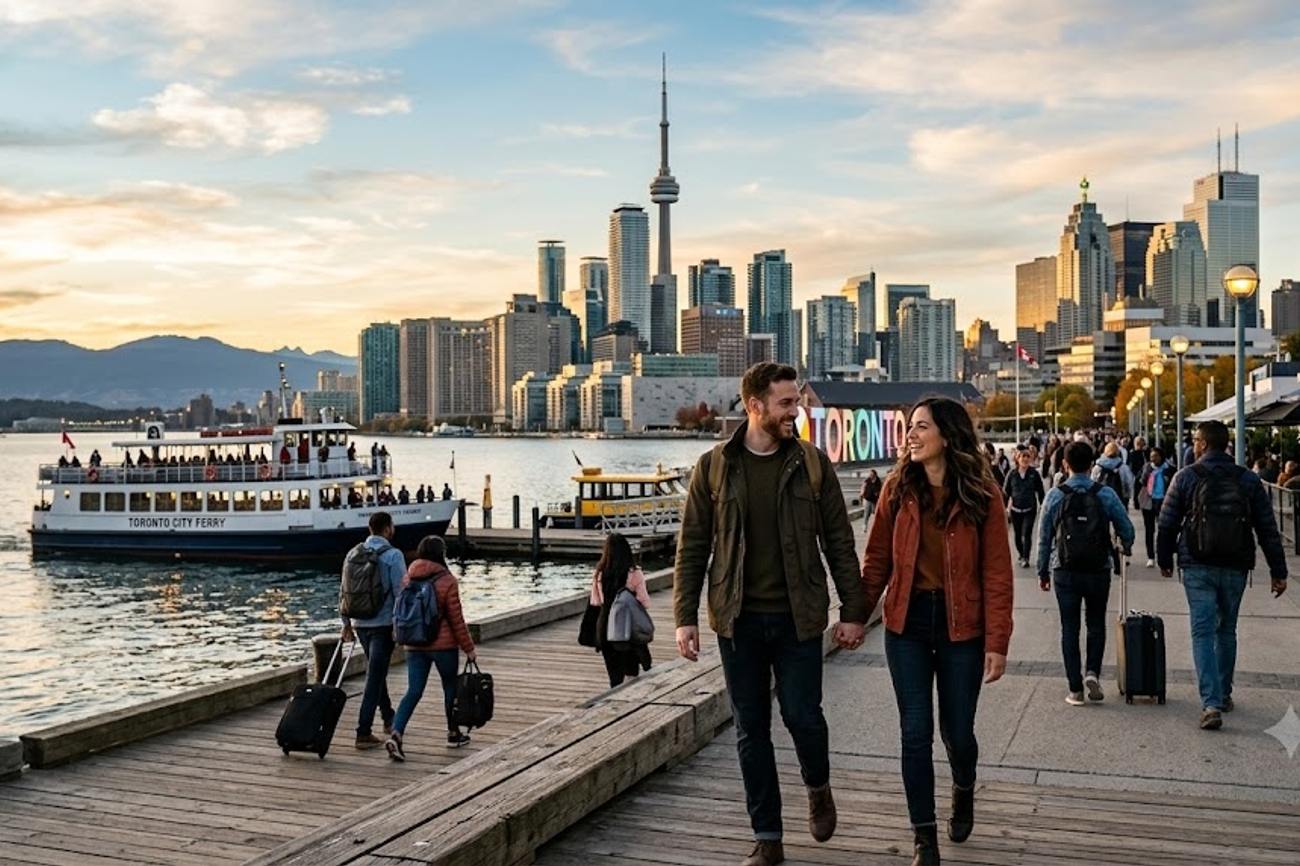
Image generated by AI
C$140.9 billion in projected tourism spending for 2026 signals a massive expansion of Canada's visitor economy, yet a systemic failure in hotel development threatens to cap this growth. This forecast, released by Destination Canada, represents a 6% increase over 2025 figures and exceeds previous growth estimates of 5.4%. While the demand side of the equation is accelerating—fueled by a record-breaking 2025 summer and the looming global spotlight of the FIFA World Cup 2026—the supply side is stagnating. The result is a widening gap between the number of people wanting to visit Canada and the number of beds available to house them.
The Infrastructure Paradox: Capital vs. Construction
Canada is currently experiencing a rare economic contradiction: high investor appetite coupled with low project execution. According to data from Hotels Canada, the capital required to expand the hospitality sector is available, but the environment for deploying that capital has become hostile. Developers are facing a "perfect storm" of escalating construction costs, aggressive taxation, and burdensome development charges.
When combined with protracted municipal approval processes, these factors are driving investment away from Canadian soil. Industry insiders report a worrying trend where capital that would have funded new hotel towers in Toronto or Vancouver is instead being diverted to projects in the United States, where regulatory hurdles are often lower and the return on investment is more predictable. This flight of capital occurs at a time when the sector is a primary economic engine, supporting roughly one in every 10 jobs across 5,000 communities nationwide.
Regional Demand Metrics and Growth Projections
The growth is not uniform, but the pressure points are concentrated in the major urban gateways. The first quarter of 2026 already showed a 5.6% rise in overall tourism revenue, with international visitor spending leaping by 7.6%.
| Indicator | 2026 Projection / Current Data | Long-Term Outlook (2035) |
|---|---|---|
| Total Tourism Spending | C$140.9 Billion | C$216.3 Billion |
| Spending Growth Rate | 6% (up from 5.4% forecast) | 67% increase vs 2024 |
| International Market Growth | 9.8% Average Annual Rate | Double the growth rate of US market |
| Domestic Spending Retention | C$4.4 Billion (2025–2027) | N/A |
| Q1 2026 Revenue Growth | 5.6% | N/A |
The domestic market is also playing a pivotal role. A shift toward "reshored" travel—where Canadians choose local destinations over international trips—is expected to keep C$4.4 billion within the national economy between 2025 and 2027.
Urban Epicenters: Toronto, Vancouver, and Montreal
Toronto serves as the primary engine for this growth, acting as the nation's largest international urban gateway. The city's strategic importance was highlighted by the Rendez-vous Canada event held from May 26 to 29, which attracted over 500 international travel buyers from 24 different markets. This single event alone was projected to inject more than C$100 million into the local tourism economy. Toronto's demand is diversified across MICE (Meetings, Incentives, Conferences, and Exhibitions), corporate travel, and long-haul leisure.
Toronto's tourism industry is expected to experience a significant boost in 2026, with spending projected to surge by 6% despite challenges in hotel investment. According to Destination Canada, the country's official tourism board, this growth will be driven by increased demand for urban destinations like Toronto and Vancouver. As a result, visitors can expect a wide range of new attractions and experiences in these cities.
Vancouver, however, is the "canary in the coal mine" for the accommodation crisis. In 2025, downtown Vancouver hit an occupancy rate of 80.5%, with an average daily room rate (ADR) of C$342 and revenue per available room (RevPAR) of C$275. Despite these strong returns, the city is running out of space. With 11.2 million visitors in 2024, Vancouver is projected to need an additional 20,000 hotel rooms by 2050. The critical tipping point is expected as early as 2026, when demand is forecasted to officially outstrip existing supply.
Montreal continues to leverage its unique cultural identity to capture international spend. By offering a French-speaking urban experience, Montreal differentiates Canada's offering from the typical North American city. This is a strategic asset as Canada targets non-US international markets, which are expected to grow at 9.8% annually through 2035.
Expert Analysis: The Pricing Pressure Valve
For travelers booking trips to Canada's major hubs over the next 24 months, the direct consequence of this supply-demand mismatch is "aggressive pricing." When occupancy rates hit the 80% threshold—as seen in Vancouver—hotels gain immense pricing power. Without new inventory to dilute this demand, the Average Daily Rate (ADR) will likely climb steeply, regardless of the season.
The pricing pressure creates a secondary effect: the "displacement" of the mid-market traveler. As luxury and high-end corporate hotels hike rates to maximize RevPAR, middle-income tourists are pushed toward unregulated short-term rentals or secondary cities. This explains why Calgary is seeing an uptick in strategic importance. By hosting Rendez-vous Canada in 2027, Calgary is positioning itself not just as a gateway to the Rockies and Banff, but as a viable urban alternative to the saturated markets of Toronto and Vancouver.
To accommodate the anticipated influx of tourists, airports such as Toronto Pearson International Airport are investing in infrastructure upgrades and expansion projects. For more information on airport developments and travel planning, visitors can consult the Greater Toronto Airports Authority website, which provides detailed guides on passenger logistics and terminal facilities. Additionally, the Canadian government's Immigration, Refugees and Citizenship Canada website offers valuable resources for international travelers, including information on visa requirements and travel documentation.
Furthermore, the reliance on international growth (9.8% annually) is a high-risk strategy if the infrastructure does not follow. If international arrivals surge for the 2026 World Cup but find a lack of available rooms, the resulting "price shock" could damage Canada's brand as a welcoming destination, potentially offsetting the projected C$140.9 billion spending surge.
Key Takeaways
- Revenue Surge: Tourism spending is forecasted to hit C$140.9 billion in 2026, with a long-term target of C$216.3 billion by 2035.
- Supply Shortage: High construction costs and regulatory delays are stalling hotel development, causing potential investors to move capital to the US.
- Vancouver Crisis: The city faces a critical supply gap, with an estimated need for 20,000 more rooms by 2050 to sustain growth.
- International Pivot: Canada is aggressively targeting non-US markets, which are growing at nearly double the rate of the US market.
- Domestic Shift: "Reshored" travel is contributing a significant C$4.4 billion to the economy between 2025 and 2027.
FAQ: Canada Travel 2026
Will hotel prices increase in Toronto and Vancouver for 2026? Yes. With demand projected to outpace supply and occupancy rates already high (80.5% in Vancouver), travelers should expect higher average daily rates and lower room availability, especially during major events.
What is the impact of the FIFA World Cup 2026 on travel? The event is a primary driver of the 6% spending surge. It is expected to increase international arrivals and put extreme pressure on hotel inventory in host cities.
Are there alternatives to the major cities for visitors? Yes. Cities like Calgary are expanding their international profiles. Calgary serves as a strategic gateway to Alberta's natural attractions, including Banff and Lake Louise.
Why is international travel growing faster than US travel to Canada? Canada is diversifying its markets, leveraging the unique cultural appeal of cities like Montreal and the global exposure of major sporting events to attract Asia-Pacific and European travelers.
Canada is betting on a billion-dollar boom, but the gamble depends entirely on whether the country can build beds as fast as it builds interest.
Tags: Destination Canada, FIFA World Cup 2026, Vancouver Hotel Market, Toronto Tourism, Montreal International Travel, Canada Tourism Spending 2026
Related Travel Guides
- Georgetown, Colorado Flips Autumn Tourism Chaos Into A Golden Opportunity With Smart Guanella Pass Visitor Strategy
- San Francisco Stands With New York City and Other US Cities in Hammering Mexican Tourism With a Drop in Tourist Arrivals for Eight Consecutive Months in 2026
- California Joins Florida and Other States in an Intense Effort to Capture India’s Booming Long-Haul Travel Market to Push US Tourism Amid Declines From Other Markets in 2026
Disclaimer
This article is for informational and educational purposes only. It does not constitute legal, financial, or professional advice. While we strive to provide accurate and up-to-date information, travel policies, regulations, and conditions change rapidly. Always verify information with official sources before making travel decisions. Nomad Lawyer makes no representations about the accuracy, reliability, completeness, or suitability of the information provided. Readers should consult qualified professionals for advice specific to their circumstances. The views expressed in this article are those of the author and do not necessarily reflect the views of Nomad Lawyer.
Raushan Kumar
Founder & Lead Developer
Full-stack developer with 11+ years of experience and a passionate traveller. Raushan built Nomad Lawyer from the ground up with a vision to create the best travel and law experience on the web.
Learn more about our team →