
Northern England Enters New Era of Cultural Heritage and Ecotourism
Northern England witnesses a tourism revival as Todmorden, Hebden Bridge, Halifax, and Newcastle lead cultural and sustainable transformations in H2 2026.

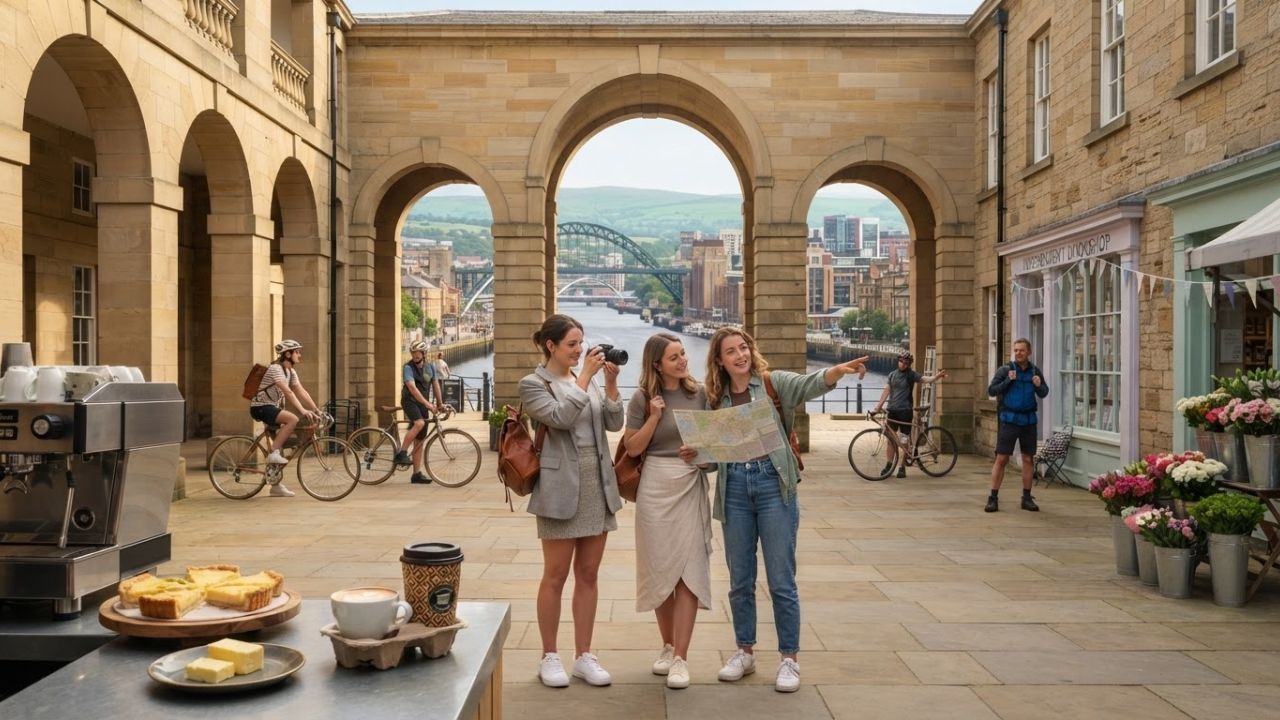
Image generated by AI
Northern England is experiencing a major cultural and environmental tourism revival, driven by regional investments, community-led initiatives, and heritage preservation. Former industrial mill towns and market centers, including Todmorden, Hebden Bridge, Halifax, and West Yorkshire, are establishing themselves as leading travel destinations outside London.
The tourism market in the United Kingdom is observing a significant geographical expansion, with travelers looking beyond the crowded urban center of London to discover the diverse terrains, independent food movements, and historic industrial centers of the North. Once defined primarily by their heavy manufacturing history, northern towns and cities are undergoing a creative renaissance. A combination of community-driven ecotourism, artistic settlement, and heritage regeneration is transforming these destinations into vibrant centers of cultural tourism. Across Northern England, four key locations are leading this shift, offering international visitors a unique mix of outdoor adventure, community-led sustainable living, and historic architecture.
For the traveler, the real impact of this regional growth is the opportunity to experience authentic local cultures at a lower cost than in southern England. Visitors can explore independent high streets, hike scenic Pennine trails, and attend large-scale arts festivals in repurposed historic structures, supporting regional economies directly.
Todmorden and the Rise of Sustainable Food Movements
Located in the Calder Valley along the border of Lancashire and Yorkshire, Todmorden has become a global symbol of community-led ecotourism and sustainable living:
- The Incredible Edible Movement: Launched as a local volunteer initiative, this project transformed the town's public spaces, street corners, and municipal gardens into areas for growing vegetables, herbs, and fruits. The food is free for anyone to harvest, promoting local participation and environmental awareness.
- Independent Food Culture: The town features a historic open-air market operating throughout the week, offering organic regional cheeses, honey, and baked goods produced by local farmers.
- Value-Focused Hospitality: Boutique guesthouses and traditional bed and breakfasts provide travelers with affordable accommodation options close to the Pennine walking trails.
This community model shows how municipal food security projects can create a unique destination brand that attracts environmentally conscious global travelers.
Hebden Bridge: An Artistic Pennine Haven
Just a short distance along the valley lies Hebden Bridge, a destination famous for its independent retail culture and creative community:
- Late 20th-Century Revival: During the late 20th century, the former textile mill town attracted writers, painters, and musicians who restored its historic stone cottages, canals, and workshops.
- Independent High Street: Unlike modern high streets dominated by multinational chains, Hebden Bridge's town center consists of independent bookshops, art galleries, craft boutiques, and locally owned vegetarian cafés.
- Literary Connections: The town serves as a popular gateway for walking tours through the Pennine hills, leading to the nearby Brontë country and historic Haworth village.
The town's independent performance venues and community spaces maintain its status as one of Northern England's most influential creative hubs, drawing audiences from across the region.
Halifax: Heritage Regeneration and The Piece Hall
Halifax illustrates how historic industrial architecture can be successfully restored into a major tourism asset. Once a global capital of the Georgian wool trade, the town has used modern investment to reconnect visitors with its commercial history:
- The Piece Hall Restoration: The centerpiece of Halifax's cultural revival is this Grade I listed Georgian structure, originally built as a cloth hall where merchants traded hand-woven wool. The massive open courtyard has been restored to host independent retail shops, restaurants, heritage exhibitions, and outdoor music concerts.
- Shibden Park: Located on the edge of the town, the historic estate provides public green spaces and historic manor house tours, gaining international attention through regional television history dramas.
- Decentralized Culture: By hosting major music and theater events within The Piece Hall's courtyard, Halifax challenges the traditional assumption that high-profile cultural experiences are concentrated solely in the south.
This architectural restoration demonstrates how preserving industrial assets can drive urban economic growth and create distinct visitor environments.
Newcastle upon Tyne: The North East's Cultural Capital
Representing the urban side of Northern England's tourism revival, Newcastle upon Tyne combines historic architectural landmarks with contemporary arts and science innovation:
- Riverside Quayside Development: The Quayside district along the River Tyne features modern art galleries, creative office spaces, and restaurants, framed by the iconic Tyne Bridge and Gateshead Millennium Bridge.
- Industrial Reconversion: The Baltic Centre for Contemporary Art, housed in a converted industrial flour mill on the riverbank, operates as a leading regional arts institution.
- Northumbrian Gateway: Newcastle serves as an ideal base for exploring wider northern attractions, allowing travelers to combine city dining and nightlife with day trips to the Northumberland coast, medieval castles, and Hadrian's Wall.
For international travelers, the city offers a highly competitive and affordable alternative to London, delivering a rich mix of history, contemporary art, and traditional northern hospitality.
Ecotourism and Community Support in the Pennines
The growth of tourism in Northern England is closely integrated with environmental protection and local business support. Travelers can minimize their environmental footprint by utilizing the region's interconnected passenger rail networks (such as Northern Rail services linking Halifax, Hebden Bridge, and Todmorden, or the LNER mainline to Newcastle) instead of booking private motor cars.
Supporting local economies is also essential. Travelers are encouraged to buy organic produce directly from Todmorden's open-air market, purchase books from independent shops in Hebden Bridge, and dine at family-owned pubs across the Pennine valleys. Respecting public agricultural spaces and following the Countryside Code when walking on sensitive upland peat bogs ensures the protection of regional ecosystems and directly benefits local rural families.
Destination Specialist Local Insider Tips
To help you explore Northern England and its historic mill towns safely and responsibly, regional specialists suggest the following local tips:
- Walk the Pennine Way and Canals: Explore the scenic canal towpaths between Todmorden and Hebden Bridge on foot. Hike up to Hardcastle Crags to visit Gibson Mill, a 19th-century cotton mill operating off-grid as a model of sustainable energy.
- Savor Yorkshire Pudding and Geordie Stottie: Experience regional gastronomy. Try a traditional Sunday roast with Yorkshire pudding in West Yorkshire, or order a Stottie Cake (a flat Geordie bread filled with ham and pease pudding) in Newcastle.
- Support Independent Bookshops and Markets: Spend time browsing locally owned shops in Hebden Bridge and buying local cheeses at Todmorden's markets, ensuring your spending directly supports independent traders.
- Follow the Countryside Code on Trails: When hiking the Pennine hills, keep dogs on leads to protect sheep, close farm gates behind you, and pack out all your rubbish.
- Target the Shoulder Seasons: Plan your visit to Northern England in May-June or September-October to enjoy mild weather (ranging between 10°C and 16°C) and avoid the peak summer school holiday crowds.
Long-Term Outlook for Northern English Tourism
The long-term outlook for tourism in Northern England remains positive, supported by the integration of rail transport networks, heritage preservation, and community-led sustainable living. By focusing on local identity and creative innovation, the North is building a resilient travel sector.
As regional authorities continue to support green transit links and community agriculture cooperatives, the collaboration between local creators, conservation bodies, and travel planners will remain essential. This balanced approach protects the unique natural scenery of the Pennines, supports regional businesses, and ensures that the welcoming spirit of Northern England remains open for future generations of global travelers.
Related Travel Guides
Disclaimer
This article is for informational and educational purposes only. It does not constitute legal, financial, or professional advice. While we strive to provide accurate and up-to-date information, travel policies, regulations, and conditions change rapidly. Always verify information with official sources before making travel decisions. Nomad Lawyer makes no representations about the accuracy, reliability, completeness, or suitability of the information provided. Readers should consult qualified professionals for advice specific to their circumstances. The views expressed in this article are those of the author and do not necessarily reflect the views of Nomad Lawyer.
Kunal K Choudhary
Co-Founder & Contributor
A passionate traveller and tech enthusiast. Kunal contributes to the vision and growth of Nomad Lawyer, bringing fresh perspectives and driving the community forward.
Learn more about our team →