
Delhi Airport Outlines Master Plan to Increase Passenger Capacity to 125 Million
DIAL outlines a 2032 master plan to expand Delhi Airport's capacity to 125 million passengers, constructing Terminal 3 Pier E by April 2030.

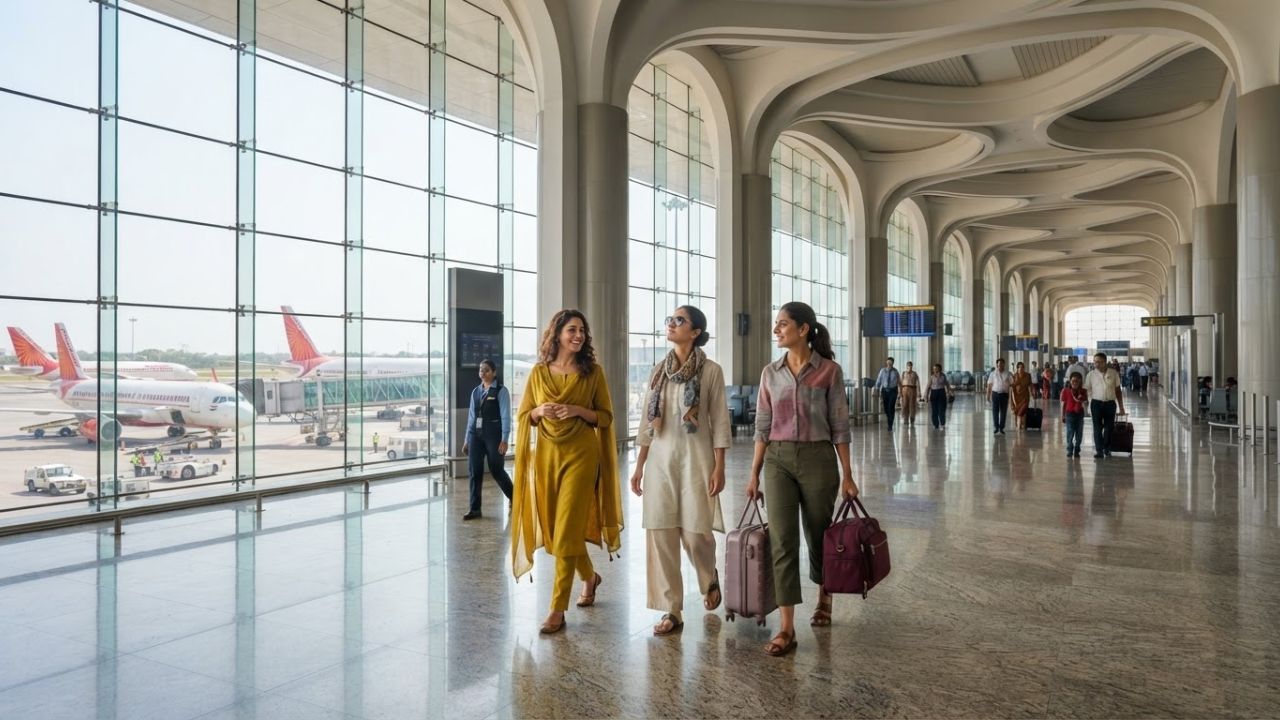
Image generated by AI
Delhi International Airport Limited has drafted a master plan targeting an annual passenger capacity of 125 million by 2032, rising from its current limit of 106 million. The phased infrastructure roadmap includes constructing a new Pier E at Terminal 3 by April 2030 to accommodate India's rapid civil aviation growth.
The civil aviation sector in India is observing a significant growth phase, with infrastructure operators expanding capacity to match the rapid rise in domestic and international passenger traffic. As the country's primary international gateway, Indira Gandhi International Airport faces increasing passenger volume driven by economic expansion, international business travel, and outbound tourism. To accommodate these long-term demands, the airport's operator, Delhi International Airport Limited, has introduced a master plan spanning a 10-year development roadmap. The strategy focuses on a phased expansion of existing terminals, starting with the addition of a major boarding facility at Terminal 3 to increase passenger capacity to approximately 116 million during the first stage of development.
For the traveler, the real impact of this expansion is the reduction of terminal congestion and the availability of more direct international flight routes. A phased construction approach ensures that current operations remain efficient while enabling the airport to gradually scale its infrastructure to meet future travel requirements.
The Phased Capacity Upgrade Strategy
The proposed master plan outlines a phased expansion that allows the airport to scale its capacity gradually, reflecting changing global travel trends and economic conditions. This gradual integration helps avoid major operational disruptions while building a more resilient transit terminal:
- Phase 1 (April 2030 Target): The primary focus is the construction of Pier E at Terminal 3. Once completed, this boarding pier will connect passengers to aircraft via new aerobridges, helping raise the airport's capacity to approximately 116 million passengers annually. Pier E at Terminal 3 will incorporate state-of-the-art boarding gates, dual-aerobridge configurations to accommodate widebody passenger aircraft like the Airbus A350 and Boeing 777, and dedicated lounges for business travelers. By designing the pier to handle high-capacity international aircraft, DIAL expects to decrease aircraft turnaround times and improve platform efficiency. The facility will also feature automated boarding pass scanners and biometric self-boarding gates, reducing wait times at the gate and providing a touchless boarding experience.
- Phase 2 (2032 Target): The second stage targets the final annual capacity limit of 125 million passengers, which represents an almost fourteen-fold increase over the airport's historical capacity levels. This phase will involve broad upgrades to airfield taxiways, baggage handling systems, and landside access gates.
- Infrastructure Optimization: Rather than immediately constructing an entirely new Terminal 4, DIAL is maximizing the efficiency of existing facilities, including modifying domestic and international gate distributions to match shifting passenger demographics.
The phased approach provides greater flexibility, allowing project planners to adjust schedules based on actual demand and carrier growth strategies.
Long-Term Infrastructure and Automated Transit Planning
To support the transition to a high-capacity hub, DIAL is evaluating several long-term transit options to facilitate passenger movement across terminals:
- Automated Passenger Mover System: The operator has kept space available for a future automated train system that would connect Terminal 3, Terminal 2, and Terminal 1, streamlining inter-terminal transfers for connecting passengers. The Automated Passenger Mover system, commonly referred to as an airport monorail or people mover, is expected to operate on a elevated track system linking Terminal 3 and Terminal 1. Currently, travelers connecting between these terminals must rely on shuttle buses that traverse public roads, subject to urban traffic congestion and delays. By establishing a dedicated rail link, DIAL aims to reduce transit times between terminals to under ten minutes, facilitating seamless baggage transfers and improving the overall connectivity of the airport.
- Terminal 2 Conversion: Depending on future traffic demands, authorities are considering converting the existing Terminal 2 into a larger, modernized terminal facility if additional check-in and security capacity becomes necessary.
- Congestion Mitigation: The master plan emphasizes passenger convenience by adding automated security check lanes, expanding check-in halls, and improving flight information display systems to create smoother passenger flows.
These technological integrations align Delhi with leading international airports, where internal automated transit networks are essential to maintaining operational efficiency as traveler volumes grow.
Ecotourism and Community Support in the Capital Region
The expansion of Delhi's aviation capacity operates alongside regional environmental protection and community development initiatives. For the traveler, the real impact is the availability of sustainable transit choices. Travelers can minimize their environmental footprint by taking the clean, electric-powered Delhi Metro Airport Express line directly from Terminal 3 to the city center, reducing road emissions and local traffic congestion. The Delhi Metro Airport Express, also known as the Orange Line, is powered by clean electrical energy, with a significant portion sourced from solar power plants in the region. Choosing this transit method directly reduces emissions and helps combat regional air pollution.
Furthermore, DIAL has implemented extensive rainwater harvesting systems and zero-waste waste management protocols across the airport, recycling millions of liters of water daily to maintain the airport's green spaces and cooling towers, preserving the delicate water table of the region. Delhi is located near the sensitive Yamuna River basin, which is vulnerable to heavy urban development. Visitors can support conservation by choosing eco-certified hotels that practice water harvesting and energy conservation. Supporting the regional economy is also essential. Travelers are encouraged to purchase traditional handloom textiles (such as Pashmina shawls and block-printed cottons) and regional spices directly from government-certified artisan cooperatives at Dilli Haat. This ensures that tourism spending directly supports the livelihoods of local artisan families and protects traditional Indian craftsmanship.
Destination Specialist Local Insider Tips
To help you navigate Delhi International Airport and explore the cultural environments of India's capital safely and responsibly, regional specialists suggest the following local tips:
- Utilize the Airport Express Metro Link: Avoid road congestion. The Airport Express metro line connects Terminal 3 directly with the New Delhi Railway Station in less than 25 minutes, offering a clean, fast, and cheap transit option.
- Savor Chole Bhature and Butter Chicken: Sample local Delhi culinary specialties. Try Chole Bhature (spicy chickpea curry served with puffed fried flatbread) or rich Butter Chicken from authentic local dining spots.
- Observe Etiquette at Spiritual Landmarks: When visiting religious sites like Gurudwaras (Sikh temples) or mosques, dress modestly (shoulders and knees covered), remove your shoes before entering, and cover your head with a headscarf.
- Shop at Certified Cooperatives: Purchase hand-woven textiles and regional crafts from government emporiums, guaranteeing that your money directly benefits rural artisan families.
- Target the Cool Winter Months: Plan your Delhi sightseeing between October and March when daytime temperatures are pleasant (ranging between 10°C and 25°C), avoiding the intense summer heat of May and June.
Long-Term Outlook for Delhi's Aviation Infrastructure
The long-term outlook for aviation-driven development in Delhi remains highly positive, supported by the integration of regional rail corridors and terminal infrastructure. By establishing Delhi as a leading global aviation hub, the master plan supports international trade, investment, and tourism.
As DIAL continues to develop Terminal 3 and evaluate automated passenger transport networks, the collaboration between municipal authorities, civil aviation regulators, and airlines will remain essential. This balanced approach protects regional environments, supports local businesses, and ensures that Delhi's airport network remains a reliable gateway for future generations of global travelers.
Related Travel Guides
Disclaimer
This article is for informational and educational purposes only. It does not constitute legal, financial, or professional advice. While we strive to provide accurate and up-to-date information, travel policies, regulations, and conditions change rapidly. Always verify information with official sources before making travel decisions. Nomad Lawyer makes no representations about the accuracy, reliability, completeness, or suitability of the information provided. Readers should consult qualified professionals for advice specific to their circumstances. The views expressed in this article are those of the author and do not necessarily reflect the views of Nomad Lawyer.
Kunal K Choudhary
Co-Founder & Contributor
A passionate traveller and tech enthusiast. Kunal contributes to the vision and growth of Nomad Lawyer, bringing fresh perspectives and driving the community forward.
Learn more about our team →