
Newark Spring Flight Disruptions Snarl Delta and United Operations
Newark Airport experiences widespread spring flight disruptions affecting Delta and United through March and April 2026. Delays exceed one hour with dozens of cancellations driven by Northeast weather and corridor congestion impacting thousands of travelers.

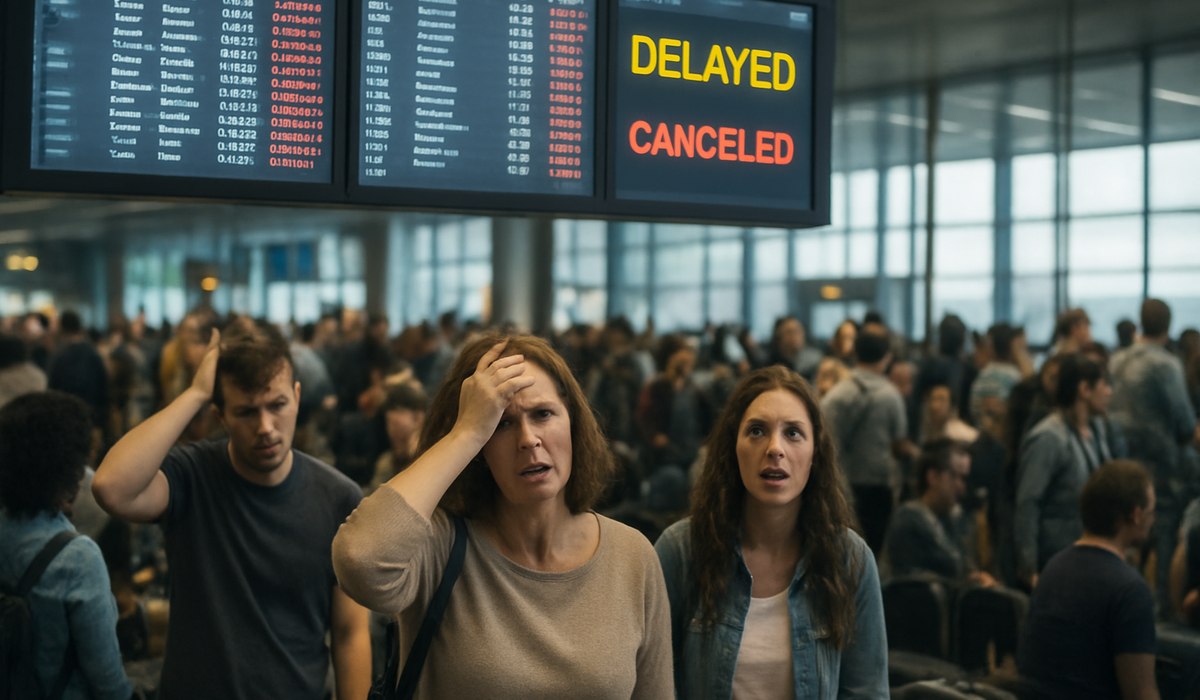
Image generated by AI
Newark Spring Flight Crisis Unfolds as Weather and Congestion Create Cascade Effect
Newark Liberty International Airport enters 2026 spring travel season facing severe operational challenges, with Delta Air Lines and United Airlines reporting widespread delays and cancellations throughout March and April. A combination of Northeast corridor weather patterns, air traffic management constraints, and hub congestion has created a perfect storm for travelers, leaving thousands stranded with flight delays exceeding one hour and dozens of cancellations affecting both domestic and international routes.
The disruption pattern mirrors broader spring vulnerability at one of America's most congested major aviation hubs. Performance data indicates Newark maintained elevated delay rates throughout the spring period, with March and April consistently ranking among the nation's worst-performing airports for on-time arrival metrics.
Spike in Disruptions During Key Spring Travel Days
Newark Liberty International Airport has solidified its position as one of America's most disruption-prone hubs entering mid-2026. Industry tracking data confirms that March and April registered significantly elevated delay and cancellation rates compared to seasonal norms, with more than one-third of departing flights running late.
Performance compilations documented average delays climbing past the one-hour threshold during peak spring travel windows. A particularly severe episode during mid-April generated dozens of delays and several outright cancellations in single-day operations, affecting both carriers' domestic and international networks spanning the United States and European routes.
The April 3 disruption proved especially damaging for United Airlines, which experienced over 800 network-wide flight delays with dozens canceled across its system. Newark emerged as one of the hardest-hit hubs during this event, demonstrating the airport's vulnerability to cascading operational failures.
Weather systems moving through the Northeast corridor combined with structural air traffic management constraints created the primary disruption drivers. Spring thunderstorms, low-ceiling conditions, and strong wind events dramatically compressed operational margins at an already-congested facility. Check real-time conditions via FlightAware for current Newark operations status.
Delta's Network Strains Spill Into Newark Operations
While United absorbs headlines as Newark's primary hub carrier, Delta Air Lines also experienced significant spring operational pressure affecting New Jersey operations. Early May reporting documented Delta canceling nearly 400 flights across its system during a two-day period, driven by crew scheduling constraints that cascaded through the entire network.
Although cancellations originated from systemwide resource shortages rather than Newark-specific issues, Newark passengers directly experienced knock-on effects through delayed aircraft rotations and crew availability problems. Social media accounts from travelers referenced missed connections, late evening arrivals, and rolling delays on Delta services transiting Newark during the disruption window.
Delta's response emphasized digital rebooking tools and mobile application features enabling passengers to identify alternative flights, nearby airport options, and real-time gate change notifications. The carrier's advisory materials prioritized proactive passenger communication through app notifications and website updates during irregular operations affecting Newark and other major hubs.
These cascading delays illustrate how even secondary stations in an airline's network face severe vulnerability when systemwide operations encounter strain. Newark's position within Delta's broader Northeast network meant that crew and aircraft shortages at other locations directly impacted flight availability and service quality for New Jersey travelers.
United Faces Heavy Burden as Newark Hub Carrier
United Airlines carries the heaviest operational responsibility at Newark, where the carrier maintains its largest East Coast hub with extensive departure and arrival operations. Hub-focused performance analyses reveal that approximately one-third of United departures from Newark ran late during severe disruption days, with smaller but meaningful numbers of outright cancellations.
Consumer tracking and compensation monitoring during April's disruptions identified weather and air traffic management constraints as the primary disruption causes. This distinction matters significantly for passenger rights evaluation, as regulatory compensation frameworks distinguish between controllable issues (crew planning, maintenance decisions) and uncontrollable factors (storms, airspace flow programs).
Newark's structural challenges compound United's operational difficulties. Federal aviation planning documents and airport performance reports characterize Newark as among America's most congested major hubs, with chronic capacity constraints throughout surrounding airspace. Spring weather systems moving through the New York metropolitan region compress departure and arrival margins to minimal levels, leaving little recovery time when early-morning operations fall behind schedule.
United's network design concentrates significant traffic at Newark, meaning hub-wide disruptions immediately affect hundreds of connections and downstream flights. Passengers booked on Newark-originating or Newark-connecting itineraries experienced heightened vulnerability to cascading delays and cancellations during spring disruption episodes.
Weather and Air Traffic Management as Primary Culprits
The underlying causes driving Newark spring flight disruptions reveal fundamental seasonal and structural challenges facing Northeast aviation. Severe weather events—including spring thunderstorms, low-ceiling conditions, and strong wind systems—created the primary disruption trigger during March and April 2026.
Air traffic management constraints in the Northeast corridor amplified weather impacts significantly. The Federal Aviation Administration implements flow control restrictions and ground stop programs during severe weather, limiting arrival and departure capacity at Newark and nearby major airports. These measures protect flight safety but create capacity shortfalls and extended delays when weather persists across broad geographic areas.
Newark's geographic position within the densely congested New York tristate airspace means the airport operates near maximum capacity under normal conditions. Spring weather events that would create manageable delays at less-congested hubs generate severe disruptions at Newark. The airport lacks sufficient schedule flexibility or alternate routing options to quickly absorb weather-related capacity reductions.
Ground infrastructure limitations compound weather-related challenges. Taxiway congestion, gate availability constraints, and ground handling service bottlenecks all contribute to reduced resilience when departure and arrival demand exceeds normal operating capacity. Monitor FAA delays and advisories at www.faa.gov for real-time Northeast corridor impacts.
What Travelers Should Expect
Newark spring flight disruption patterns establish clear expectations for passengers traveling through the airport during March through April timeframes. Delays exceeding one hour should be anticipated during peak travel windows, particularly mid-week and weekend periods when weather systems move through the Northeast.
Cancellation risk remains elevated for flights scheduled during marginal weather windows or during severe disruption episodes cascading through network operations. Travelers should prioritize booking direct flights where practical, as connection itineraries face compounded delay and cancellation risk when Newark operations encounter irregularities.
Flight change flexibility becomes increasingly valuable during spring travel periods. Passengers able to adjust departure timing or select alternative airports gain significant advantages when disruptions emerge. Check airline websites and mobile applications continuously for schedule updates, gate information, and rebooking opportunities.
Travelers should allow extended ground time before connecting flights, recognizing that inbound delays frequently trigger missed connections at Newark. International connections warrant particular attention, as missed bookings may prevent same-day rescheduling and create extended travel disruptions.
Traveler Action Checklist
-
Review airline delay and cancellation policies specific to your booking before traveling to Newark, noting distinction between airline-specific guarantees and regulatory minimums.
-
Download airline mobile applications to receive real-time notifications regarding gate assignments, timing changes, and schedule modifications affecting your flights.
-
Check weather forecasts for the New York tristate area 48-72 hours before your Newark flight, recognizing spring thunderstorm potential and possible air traffic restrictions.
-
Arrive at Newark 20-30 minutes earlier than standard recommendations for domestic flights to account for elevated security and baggage processing volumes during peak disruption periods.
-
Document delay and cancellation information including flight numbers, scheduled times, actual completion times, and any missed connections for compensation claim purposes.
-
Request written cancellation confirmations from airline customer service, specifying reasons (weather vs. operational) relevant to regulatory compensation eligibility.
-
Identify backup travel options proactively, including alternate airports (JFK, LaGuardia, Philadelphia), alternative carriers, and ground transportation alternatives before disruptions occur.
-
Contact your airline immediately when disruptions become apparent, rather than waiting for rebooking
Disclaimer
This article is for informational and educational purposes only. It does not constitute legal, financial, or professional advice. While we strive to provide accurate and up-to-date information, travel policies, regulations, and conditions change rapidly. Always verify information with official sources before making travel decisions. Nomad Lawyer makes no representations about the accuracy, reliability, completeness, or suitability of the information provided. Readers should consult qualified professionals for advice specific to their circumstances. The views expressed in this article are those of the author and do not necessarily reflect the views of Nomad Lawyer.
Kunal K Choudhary
Co-Founder & Contributor
A passionate traveller and tech enthusiast. Kunal contributes to the vision and growth of Nomad Lawyer, bringing fresh perspectives and driving the community forward.
Learn more about our team →