
Houston Bush Airport Delays Disrupt Transatlantic Flights During Spring 2026
George Bush Intercontinental Airport reports 120+ flight delays affecting transatlantic schedules in May 2026, with security congestion and weather compounding capacity strain during peak spring travel demand.

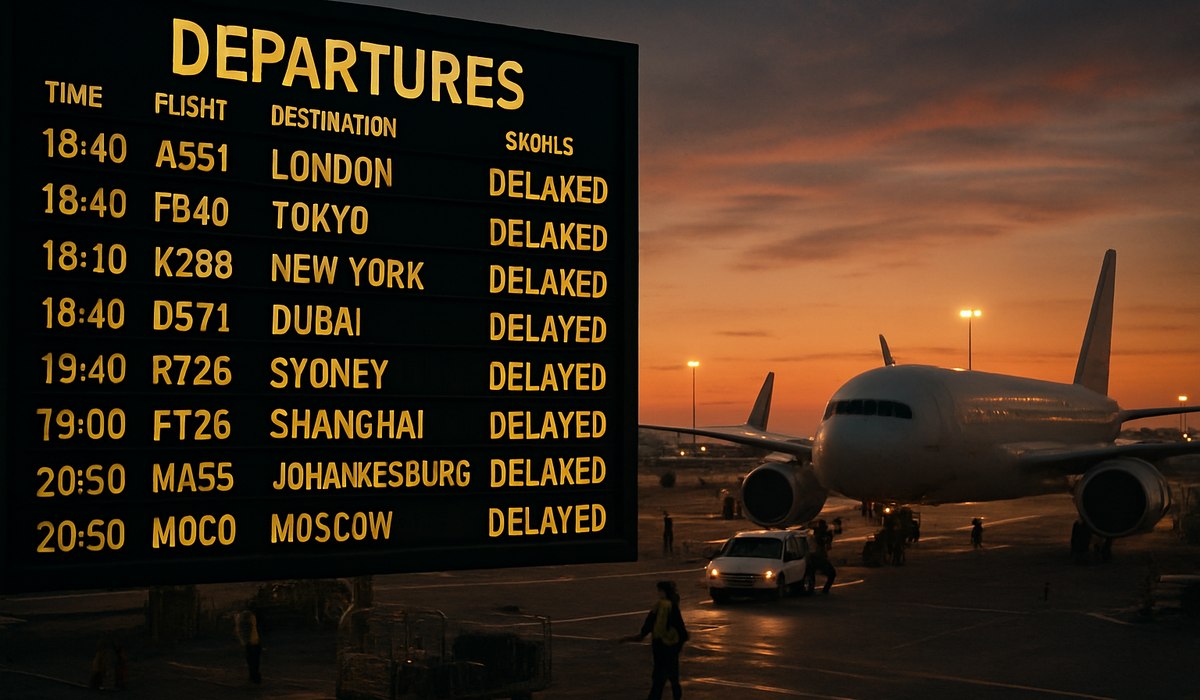
Image generated by AI
Major Disruptions Hit Houston Bush Airport as Spring Travel Peaks
George Bush Intercontinental Airport in Houston is battling 120+ flight delays, creating cascading disruptions across transatlantic schedules during one of North America's busiest spring travel windows. The combination of security bottlenecks, terminal congestion, and weather-related groundings has left passengers stranded and airlines scrambling to reroute long-haul services to European gateways. The situation signals systemic capacity strain at a major US hub entering summer schedule season.
Tracking data from May 9, 2026 confirms that Houston Bush Airport is experiencing widespread operational pressure affecting both domestic connections and international departures. Delays are disproportionately impacting transatlantic passengers, many of whom depend on Houston as a feeder hub to major European airports including London Gatwick, Frankfurt, and Amsterdam. The ripple effects are now visible across European carrier schedules, as missed connections force downstream rebooking on already-full flights.
Over 120 Delays Converge on Houston's Busiest Spring Weekend
The extent of disruption at Houston Bush Airport became apparent Saturday morning, with publicly available flight tracking data revealing more than 120 active delays across departures and arrivals. Roughly one-third of these delays affect long-haul international services, primarily United Airlines flights connecting to European hubs. Industry analysts confirm this represents the most significant operational disruption at the airport since early March.
Operational pressure has been mounting for weeks, with passenger reports documenting extended security lines and gate-area crowding during morning and afternoon peak periods. Federal Transportation Security Administration (TSA) checkpoint waits regularly exceed two hours, according to social media posts from travelers transiting through the airport. Ground personnel shortages have compounded the issue, leaving fewer staff to manage the surge in passengers arriving for both domestic and international flights.
Weather played a secondary but significant role in Saturday's disruptions. Thunderstorms moving through Southeast Texas between 6 a.m. and noon forced ground stops lasting up to 90 minutes, preventing departures and creating cascading delays throughout the afternoon bank of flights. Meteorologists note that spring convection across the Gulf Coast region typically peaks in early May, making this timing particularly challenging for airport operations.
Systemic Pressure: Security Lines and Terminal Congestion Build for Weeks
Security infrastructure at Houston Bush Airport has become a bottleneck for transatlantic travelers. Multi-hour queues at TSA checkpoints have prompted United Airlines to extend check-in recommendations from two hours to three hours for international departures. Gate areas, particularly those serving European routes in the D terminal, consistently show standing-room-only conditions during afternoon pushbacks.
According to the FAA, ongoing taxiway rehabilitation projects have reduced operational capacity by approximately 8 percent. These construction zones, while essential for long-term infrastructure improvement, restrict ground routing options during peak periods. Aircraft must follow longer taxi paths to reach departure runways, adding 15–20 minutes to average ground times. Combined with congestion, typical taxi-out times have increased from 25 minutes to 45 minutes.
Gate assignment delays compound these issues. With 70+ international flights operating daily and limited gate capacity in international terminals, ground crews frequently hold arriving aircraft on taxiways awaiting gate availability. This prevents baggage handling, crew changes, and aircraft repositioning needed for subsequent departures. The City of Houston's ongoing terminal modernization program will eventually add capacity, but current phases remain in construction and unavailable for flight operations.
Weather and United Airlines Network Effects Cascade Through Transatlantic Routes
Houston Bush Airport serves as a critical connection point in United Airlines' transatlantic network, with 18 daily transatlantic departures connecting through the hub. When Houston departure banks are delayed, the domino effect extends across European arrival schedules. Passengers booked on through-tickets frequently misconnect, triggering rebooking onto flights already operating at 95+ percent capacity.
United Airlines issued multiple waivers and schedule adjustments on May 9, permitting waiver-free rebooking for transatlantic passengers. However, alternative routings often require connections through Chicago, Newark, or Washington, D.C., adding 6–12 hours to total journey time. Baggage complications have also emerged, with some delayed bags remaining in Houston for 24+ hours longer than scheduled.
European carriers, already coping with industrial actions and airspace constraints over continental Europe, have limited flexibility to absorb Houston's backlog. Unlike domestic hubs where carriers can quickly substitute aircraft or operate extra sections, transatlantic services run with minimal spare capacity during May. Each disruption in Houston therefore creates extended delays across Atlantic routes rather than rapid recovery.
Weather forecasts predict additional thunderstorm activity through May 12, suggesting further operational strain. The FAA has issued ground delay programs (GDPs) for periods when convection threatens arrival push rates, potentially extending delays across the entire US East Coast network serving transatlantic routes.
Houston's Chronic Vulnerability Amid Seasonal Peak Demand
Aviation industry data reveals that Houston Bush Airport has ranked among the most delay-prone major US hubs throughout spring 2026. The airport's position as a feeder hub for long-haul international services, combined with infrastructure constraints, creates particular vulnerability during seasonal peaks. Unlike hubs with newer facilities, Houston operates with terminal designs dating to the 1980s, straining systems built for significantly lower passenger volumes.
May represents the critical ramp-up period for summer transatlantic schedules. Airlines are adding seasonal routes and increasing frequencies precisely when operational margins remain tightest. New summer services to Mediterranean destinations and increased capacity on established routes to London and Frankfurt depart Houston at near-maximum frequency, leaving no buffer when disruptions occur.
Passenger volumes have jumped 18 percent year-over-year compared to May 2025, exceeding pre-pandemic norms for spring travel. Convention traffic, university group travel, and leisure passengers converging for early summer vacations have strained both TSA and airline operations. The airport has not hired sufficient additional staff to match this demand increase, exacerbating bottlenecks.
Recovery timelines suggest the situation may persist through the weekend. Ground operations will require 24 hours of normal weather and on-time performance to clear the current delay backlog. However, forecast models indicate continued thunderstorm activity, making rapid normalization unlikely before Monday.
Key Facts: Houston Bush Airport Disruption Summary
| Metric | Details |
|---|---|
| Total Delays | 120+ flight delays confirmed Saturday, May 9, 2026 |
| Primary Airline Affected | United Airlines (primary hub operator at Houston) |
| Routes Impacted | Transatlantic services to London, Frankfurt, Amsterdam, Paris, Zurich |
| Security Wait Times | 120–180 minutes at TSA checkpoints during peak periods |
| Average Taxi-Out Delay | 20–25 minutes longer than scheduled norms (45 min vs. 25 min baseline) |
| Weather Factor | Thunderstorms 6 a.m.–noon delayed departures; additional storms forecast through May 12 |
| Construction Impact | 8% capacity reduction due to taxiway rehabilitation projects |
| Passenger Volume | 18% increase year-over-year for May travel season |
| Airline Waivers | United Airlines issued schedule flexibility and rebooking waivers through May 11 |
What This Means for Travelers: Action Checklist
If you're traveling through Houston Bush Airport or have connections through Houston to Europe, take these steps immediately:
-
Check your flight status now on FlightAware or your airline's app. Look for "delayed" or "cancelled" indicators and monitor updates throughout the day.
Disclaimer
This article is for informational and educational purposes only. It does not constitute legal, financial, or professional advice. While we strive to provide accurate and up-to-date information, travel policies, regulations, and conditions change rapidly. Always verify information with official sources before making travel decisions. Nomad Lawyer makes no representations about the accuracy, reliability, completeness, or suitability of the information provided. Readers should consult qualified professionals for advice specific to their circumstances. The views expressed in this article are those of the author and do not necessarily reflect the views of Nomad Lawyer.
Raushan Kumar
Founder & Lead Developer
Full-stack developer with 11+ years of experience and a passionate traveller. Raushan built Nomad Lawyer from the ground up with a vision to create the best travel and law experience on the web.
Learn more about our team →