
New Zealand Cities Experience Strong Growth in Muslim-Friendly Tourism
New Zealand's key destinations, led by Auckland, Queenstown, and Christchurch, see a surge in Muslim-friendly tourism with improved halal facilities and experiences.

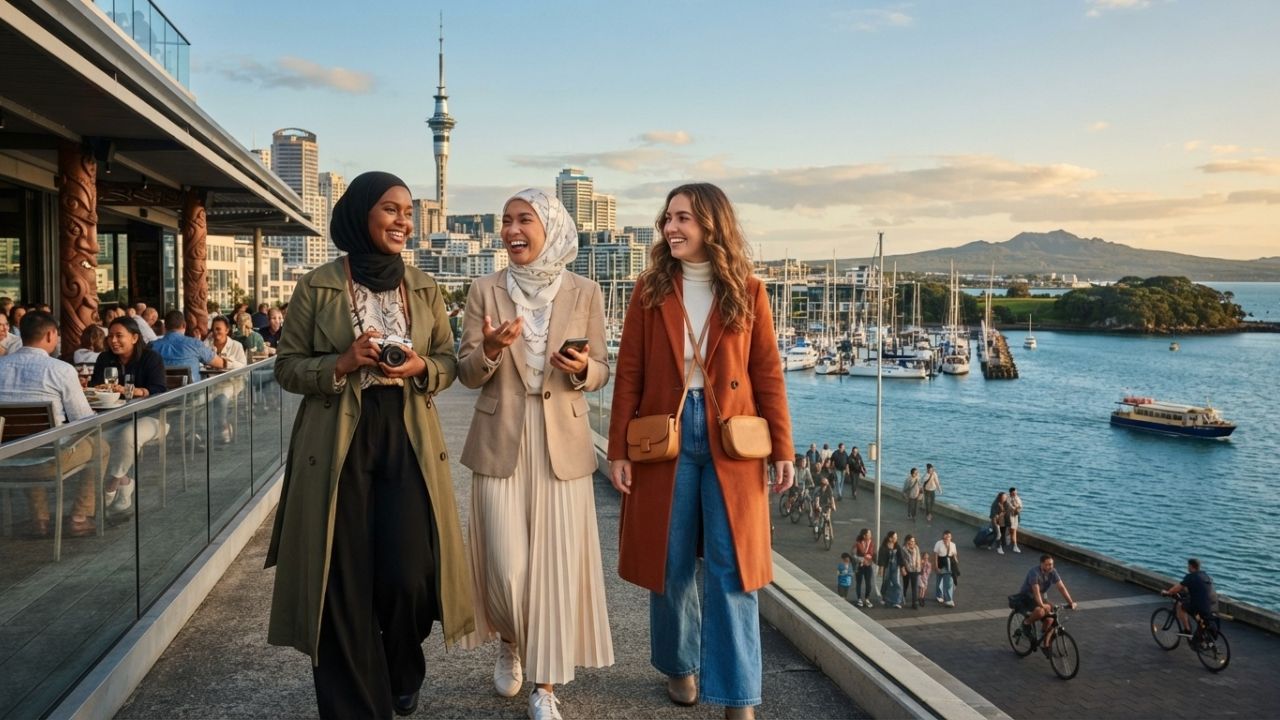
Image generated by AI
New Zealand is experiencing a powerful surge in Muslim-friendly tourism in 2026, driven by expanding halal food access, multicultural communities, and family-oriented travel services across Auckland, Queenstown, and Christchurch. Backed by marketing initiatives from Tourism New Zealand, these cities are successfully attracting high-value travelers from Southeast Asia, the Middle East, and other global markets.
Halal Gateways: Auckland's Role in Leading the Multicultural Shift
Auckland has emerged as the most important city for Muslim tourism growth in New Zealand during 2026 because it combines international accessibility with one of the country’s strongest multicultural environments. As the home of New Zealand’s largest international airport, Auckland acts as the primary arrival point for overseas visitors. Many Muslim travellers begin their New Zealand journeys in the city before exploring destinations across the North and South Islands. The city’s extensive air connections with Asia and growing links with international markets make it a primary tourism gateway.
Auckland’s diverse population has contributed to a more developed halal-friendly ecosystem. Visitors can find a wide range of halal restaurants offering Malaysian, Indonesian, Turkish, Indian, and Middle Eastern cuisine. The presence of mosques, Islamic centres, and culturally diverse neighbourhoods provides additional confidence for Muslim families planning longer stays.
Beyond practical facilities, Auckland offers experiences that appeal to international Muslim travellers, including harbour cruises, island visits, shopping districts, Māori cultural activities, and nature-based attractions. The city’s ability to combine urban convenience with outdoor exploration makes it particularly suitable for first-time visitors to New Zealand. Tourism operators are increasingly recognising the importance of this market segment by developing more flexible itineraries and hospitality services designed around diverse cultural expectations. Major source markets driving this growth include Malaysia, Indonesia, UAE, Saudi Arabia, Singapore, and India, creating a strong platform for the city's gateway potential.
Scenic Isolation and Luxury: Queenstown's Premium Travel Appeal
Queenstown is rapidly becoming one of New Zealand’s most attractive destinations for Muslim travellers seeking premium experiences, breathtaking alpine scenery, and adventure tourism. Known as the adventure capital of New Zealand, Queenstown offers a unique combination of natural beauty and luxury tourism. The destination appeals particularly to affluent travellers from the Gulf region and Southeast Asia who are looking for scenic holidays, private experiences, and high-quality accommodation.
The city’s popularity among Muslim visitors is being driven by its ability to provide memorable outdoor experiences while maintaining a comfortable travel environment. Attractions such as Milford Sound cruises, Lake Wakatipu excursions, mountain views, and luxury lodges create strong appeal for families, couples, and honeymoon travellers.
Tourism businesses in Queenstown are increasingly adapting to international visitor expectations by improving dining flexibility, offering customised travel packages, and helping guests access suitable food options. For Muslim travellers, Queenstown’s attraction extends beyond adventure, offering privacy, peaceful surroundings, and premium hospitality, factors that are becoming increasingly important among high-spending international tourists. With demand rising for nature-based and experiential travel, Queenstown is positioned as one of the strongest growth markets within New Zealand’s Muslim tourism sector.
South Island Access: Christchurch's Emerging Infrastructure
Christchurch is gaining momentum as a Muslim-friendly tourism destination because of its role as the main gateway to many South Island attractions. The city provides access to some of New Zealand’s most popular travel routes, including journeys towards Queenstown, Mount Cook, Lake Tekapo, and Kaikōura. Many international visitors use Christchurch as the starting point for scenic road trips and longer South Island adventures.
The city’s multicultural population and expanding hospitality sector are supporting its growth among Muslim travellers. Increasing availability of halal food options, diverse restaurants, and visitor services is helping make Christchurch easier to navigate for international families.
Christchurch also benefits from its reputation as a relaxed and accessible destination. Compared with larger global cities, it offers a quieter environment while still providing modern infrastructure, accommodation choices, and cultural attractions. Visitors can explore botanical gardens, wildlife experiences, coastal views, and heritage sites while using the city as a comfortable base. As South Island tourism continues recovering and expanding, Christchurch is expected to play a larger role in attracting visitors from emerging international markets.
Geothermal Wonders and Capital Culture: Rotorua and Wellington's Niche Markets
Rotorua is developing into an important destination for Muslim travellers because it combines cultural experiences, nature attractions, and family-friendly activities. The city is internationally recognised for its geothermal landscapes and Māori heritage experiences. These attractions align with the growing demand among Muslim travellers for meaningful journeys that include local culture, traditions, and authentic encounters.
Many Muslim visitors are looking for destinations where they can connect with local communities. Rotorua’s Māori cultural experiences, geothermal parks, and outdoor activities provide opportunities for deeper engagement with New Zealand’s heritage. The city’s appeal is particularly strong among families because many attractions are suitable for different age groups. Visitors can enjoy cultural performances, nature walks, wildlife experiences, and educational activities in a safe environment.
Meanwhile, Wellington is strengthening its position as a Muslim-friendly destination through cultural tourism, education connections, and its reputation as New Zealand’s creative capital. The city attracts international visitors through museums, waterfront attractions, film tourism, and government-related travel. Wellington’s multicultural environment supports a welcoming atmosphere, with the availability of halal restaurants and community facilities contributing to a more comfortable experience for Muslim travellers.
Local Insider Guide: Practical Tips for Muslim-Friendly Travel in New Zealand
To help you plan a memorable and respectful trip through New Zealand, local travel advisors suggest the following strategies:
- Optimal Visit Windows: Plan your trip during the shoulder seasons of late autumn (March to May) or spring (September to November). The weather during these periods is mild, crowds are significantly smaller than the peak summer months, and accommodation availability is much better in regional hubs like Queenstown.
- Halal Dining Verification: While many restaurants display halal signs, travelers can use the Federation of Islamic Associations of New Zealand (FIANZ) directory or local directories to verify certified halal establishments. Look for pasture-raised, halal-certified New Zealand lamb and beef at specialty local restaurants.
- Cultural & Religious Etiquette: Major international airports, including Auckland, Wellington, and Christchurch, offer dedicated, quiet multi-faith prayer rooms. When visiting Māori villages or sacred sites (tapu) in Rotorua, respect local protocols by removing shoes before entering communal meeting houses (wharenui) and avoiding food consumption inside sacred spaces.
- Under-the-Radar Spots: Skip the crowded trails and head to the Lake Tekapo dark sky reserve for stargazing, or visit the Waikato region surrounding Hamilton for agricultural tours and the world-renowned Hamilton Gardens.
Tourism Outlook: Diversification and the Value of Culturally Inclusive Travel
New Zealand’s growing focus on Muslim-friendly tourism reflects a major shift in the global travel industry. Today’s travellers are looking for more than beautiful scenery; they want destinations that understand their cultural needs, provide convenient services, and create comfortable experiences for families and individuals. The rise of cities such as Auckland, Queenstown, and Christchurch shows how tourism destinations can unlock new opportunities by improving accessibility and hospitality. Halal dining options, prayer facilities, culturally aware services, and personalised travel experiences are becoming important factors influencing destination choices.
This trend also highlights the importance of diversification. By welcoming visitors from emerging markets across Southeast Asia, the Middle East, and beyond, New Zealand can strengthen its international tourism position and reduce dependence on traditional visitor sources. The opportunity is not only economic but also cultural. Muslim travellers bring new perspectives, encourage greater global connections, and contribute to a more inclusive tourism environment.
As competition between destinations increases, countries that successfully adapt to changing traveller expectations will gain a significant advantage. New Zealand’s approach demonstrates that the future of tourism will be shaped by destinations that combine natural beauty with genuine hospitality, respect, and accessibility. The continued development of Muslim-friendly travel experiences could become a powerful growth engine for the country’s tourism sector in the years ahead.
Related Travel Guides
Montana Nonresident Tourism Spending Surges to Five Point Six Billion Dollars
Disclaimer
This article is for informational and educational purposes only. It does not constitute legal, financial, or professional advice. While we strive to provide accurate and up-to-date information, travel policies, regulations, and conditions change rapidly. Always verify information with official sources before making travel decisions. Nomad Lawyer makes no representations about the accuracy, reliability, completeness, or suitability of the information provided. Readers should consult qualified professionals for advice specific to their circumstances. The views expressed in this article are those of the author and do not necessarily reflect the views of Nomad Lawyer.
Kunal K Choudhary
Co-Founder & Contributor
A passionate traveller and tech enthusiast. Kunal contributes to the vision and growth of Nomad Lawyer, bringing fresh perspectives and driving the community forward.
Learn more about our team →