
Montana Nonresident Tourism Spending Surges to Five Point Six Billion Dollars
Montana nonresident tourism generated 5.6 billion dollars as outdoor recreation and national parks drive record spending.

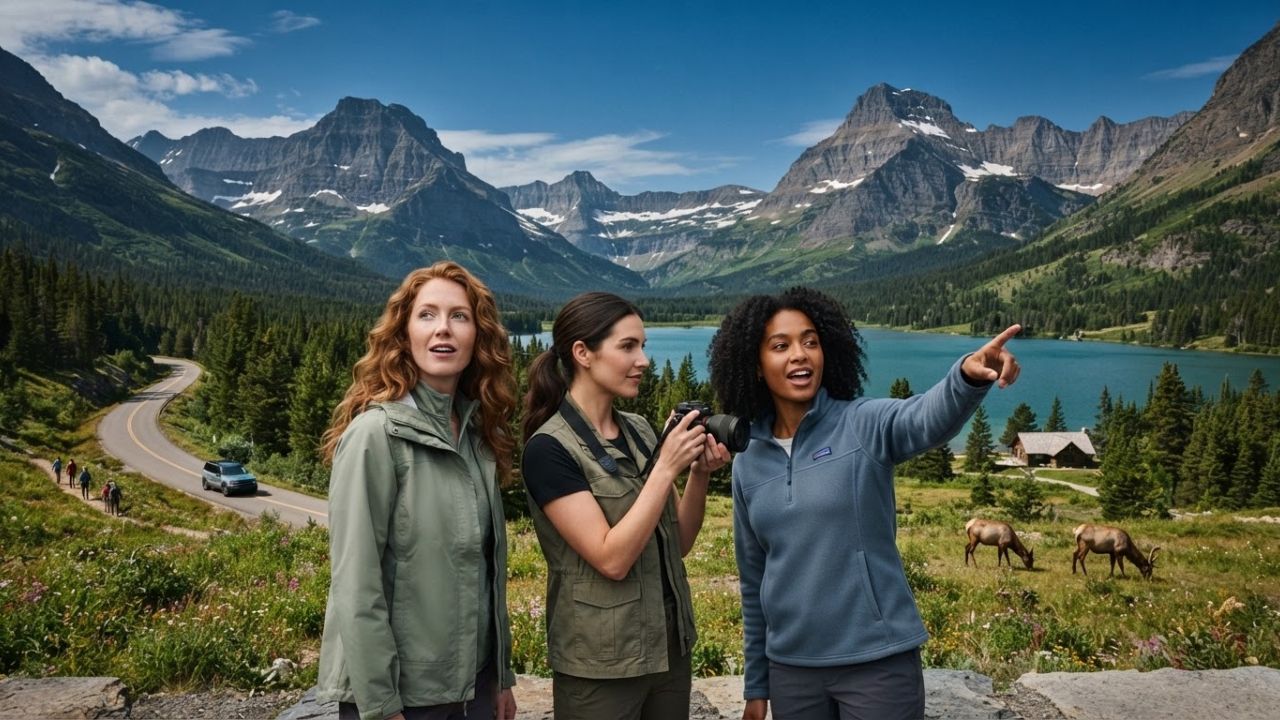
Image generated by AI
Montana Nonresident Tourism Spending Surges to Five Point Six Billion Dollars
SEO Title: Montana Nonresident Tourism Spending Surges to Five Point Six Billion Dollars Meta Description: Montana nonresident tourism generated 5.6 billion dollars as outdoor recreation and national parks drive record spending. Slug: montana-tourism-revenue-surge-glacier-yellowstone-parks-2026 Standfirst: Montana nonresident visitor spending reached 5.6 billion dollars, driven by record outdoor recreation and national park attendance. This surge in travel spending supports gateway communities and regional airports from Bozeman to Missoula.
Article
Montana’s travel economy has reached a major milestone, with nonresident visitor spending contributing an estimated 5.6 billion dollars to the state. According to figures from the Montana Office of Tourism, growth is led by travelers seeking nature-based adventures in Glacier and Yellowstone national parks. The high volume of arrivals has driven demand across regional hotels, retail shops, and local guiding companies.
To capture this segment, regional airports including Bozeman Yellowstone International (BZN), Glacier Park International (FCA), and Missoula Montana Airport (MSO) have expanded carrier schedules. Gateway towns like West Yellowstone serve as key staging grounds for tourists exploring Old Faithful and viewing bison, bears, and elk. Concurrently, winter travel demand is growing around ski hubs like Big Sky Resort, balancing seasonal visitor numbers throughout the year.
Key Facts Breakdown
- Spending Milestone: Nonresident travel spending contributed approximately 5.6 billion dollars to hotels, restaurants, and outdoor operators.
- National Park Access: Glacier National Park's Going-to-the-Sun Road and Yellowstone's Montana gate sectors remain primary travel attractions.
- Airport Expansion: Bozeman (BZN) and Missoula (MSO) serve as the primary aviation gateways connecting global markets to western wilderness zones.
- Wildlife Resources: Inbound travelers list viewing bears, bison, elk, wolves, and mountain goats as their primary trip motivators.
- Winter Tourism: Ski resorts like Big Sky help distribute travel demand into colder months, supporting year-round local employment.
Data Table
| Tourism Gateway | Primary Airport Access | Key National Park Link | Primary Outdoor Experience | Key Local Asset |
|---|---|---|---|---|
| Bozeman | Bozeman Yellowstone Intl (BZN) | Yellowstone National Park | Fly fishing, hiking, and winter skiing | Bozeman Museum & local dining |
| West Yellowstone | Bozeman Yellowstone Intl (BZN) | Yellowstone National Park | Geothermal geysers and bison viewing | Old Faithful & West Gate hub |
| Kalispell / Whitefish | Glacier Park Intl (FCA) | Glacier National Park | Alpine trail hiking & photography | Going-to-the-Sun Road corridor |
| Missoula | Missoula Montana Airport (MSO) | Western Montana Wilderness | River rafting, local arts & hiking | Clark Fork River outdoor links |
Why This Matters
For travelers planning Montana wilderness road trips, the real impact is the need to book national park vehicle reservation slots months in advance. From a logistical perspective, this means vehicle rentals and park permits must be coordinated alongside flight bookings.
Our analysis of regional transit patterns indicates that peak summer demand frequently limits rental car availability at Bozeman (BZN). By booking flights and car rentals early, travelers avoid transit bottlenecks and premium pricing during the busy July–August window. This preparation is key to ensuring a smooth transit experience through the Big Sky region.
Industry Outlook
We expect regional airlines to maintain high load factors on flights connecting to Bozeman and Missoula later in 2026. To preserve high yields, hotel operators must focus on sustainable capacity limits to prevent local trail degradation. This ecological management remains vital to protect the natural assets that sustain Montana's tourism economy.
Related Travel Guides
Disclaimer
This article is for informational and educational purposes only. It does not constitute legal, financial, or professional advice. While we strive to provide accurate and up-to-date information, travel policies, regulations, and conditions change rapidly. Always verify information with official sources before making travel decisions. Nomad Lawyer makes no representations about the accuracy, reliability, completeness, or suitability of the information provided. Readers should consult qualified professionals for advice specific to their circumstances. The views expressed in this article are those of the author and do not necessarily reflect the views of Nomad Lawyer.
Kunal K Choudhary
Co-Founder & Contributor
A passionate traveller and tech enthusiast. Kunal contributes to the vision and growth of Nomad Lawyer, bringing fresh perspectives and driving the community forward.
Learn more about our team →