
Morioka Castle Ruins Guide: Samurai History and Iwate Park Tourism
Explore the Morioka Castle ruins in Iwate Prefecture. Discover the granite stone walls, samurai history, and seasonal beauty of Iwate Park in Morioka City.

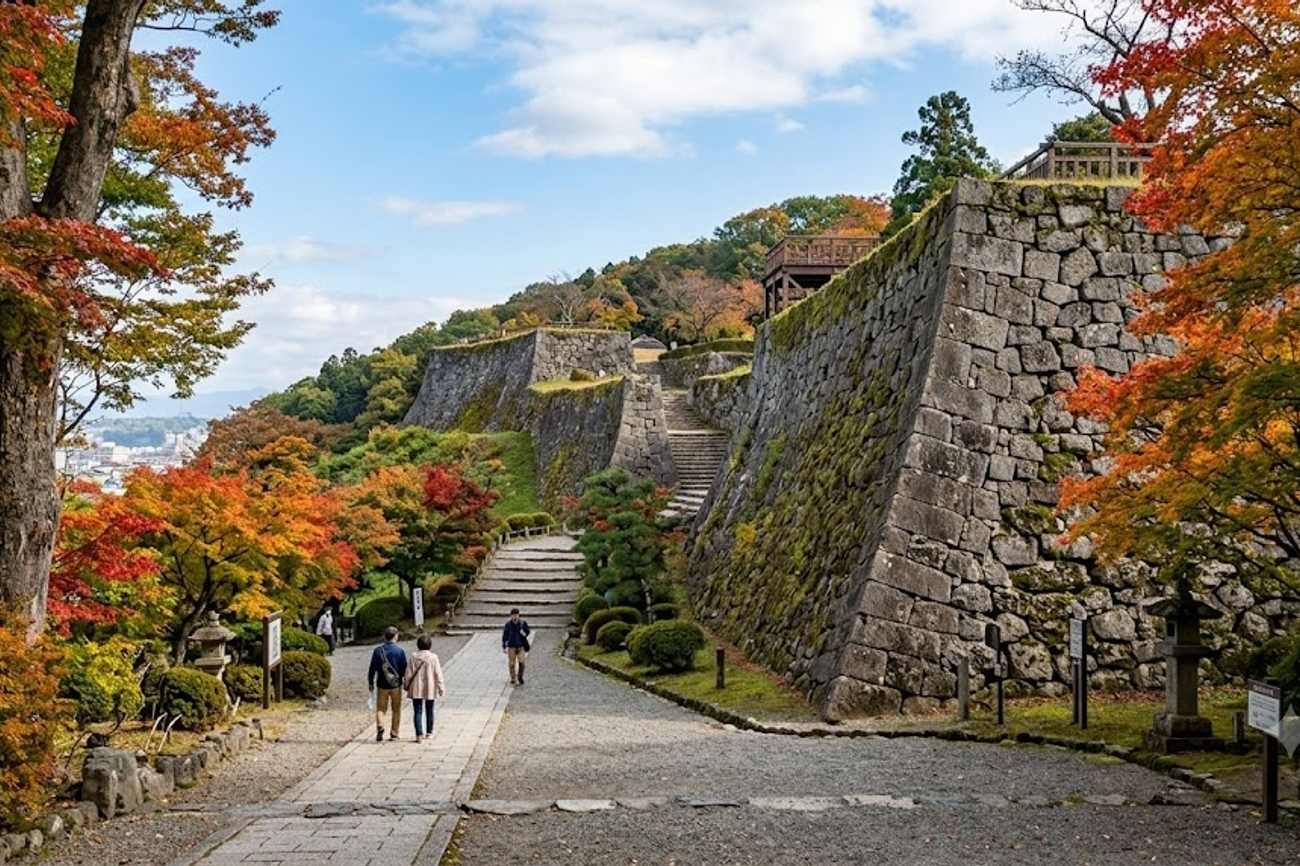
Image generated by AI
The Core Development
Morioka Castle, once the administrative heart of the Morioka clan, now exists as a public heritage site within Morioka City. While the primary structures were demolished in 1874 following Meiji era reforms and the Boshin War, the site is defined by its massive granite stone walls.
Unlike the earthen defenses common in the Tohoku region, these walls were constructed using locally sourced granite, reflecting the geological resources of Iwate. Today, the ruins are integrated into Iwate Park, a public space designed by Yasuhei Nagaoka and opened in 1906, transitioning the site from a military fortress to a cultural landmark.
Key Facts Breakdown
- Construction Period: Started in 1597; completed in 1633.
- Materiality: Built with granite stone walls rather than traditional earthen defenses.
- Demolition Date: Most buildings were removed in 1874.
- Public Access: Open year-round with no entrance fees.
- Park Establishment: Iwate Park opened in 1906.
- Literary Significance: Site of inspiration for poets Takuboku Ishikawa and Kenji Miyazawa.
- Location: Central Morioka City, Iwate Prefecture.
Logistics and Access
The site is positioned for high accessibility from JR Morioka Station:
- Morioka City Loop Bus: 10-minute transit to the Morioka Joato Koen stop.
- Walking: 15 to 20 minutes from the station.
- Taxi: Direct transit available.
Seasonal Tourism Profile
| Season | Primary Attraction | Visitor Experience |
|---|---|---|
| Spring | Cherry Blossoms | Flowering trees contrasted with stone walls |
| Summer | Green Landscapes | Urban escape and nature walks |
| Autumn | Foliage | High-impact photography and seasonal colors |
| Winter | Snow-covered Walls | Quiet, dramatic historic atmosphere |
Why This Matters (Analysis)
From a logistical and tourism perspective, Morioka Castle ruins solve a common problem for international travelers: "over-tourism" at primary Japanese castles (such as Himeji or Osaka). Our analysis of the Tohoku region's layout suggests that Morioka serves as a critical "slow travel" node.
The real impact for the traveler is the lack of a paywall. By offering free admission to a site of this scale, Morioka City lowers the barrier to entry for budget-conscious cultural tourists. Furthermore, the integration of literary monuments (Ishikawa and Miyazawa) transforms the site from a mere architectural ruin into a multi-layered cultural experience. For those tracking the "Samurai trail," the use of granite over earth is a significant technical detail that indicates the Morioka clan's specific adaptation to Iwate's local geography.
Industry Outlook
We expect a rise in "Literary Tourism" within the Tohoku region, as travelers seek deeper connections to Japanese poetry and philosophy over standard sightseeing. Morioka Castle is positioned to benefit from this trend. As Japan continues to push tourism away from the "Golden Route" (Tokyo-Kyoto-Osaka), sites like Iwate Park will likely see increased international footfall, requiring enhanced multilingual signage and integrated digital guides to maintain the "quiet" appeal while managing growth.
Internal Link Suggestions:
- Exploring the Tohoku Region's Hidden Gems
- Guide to Japan's Meiji Era Architectural Reforms
- Best Seasonal Destinations in Iwate Prefecture
Related Travel Guides
Disclaimer
This article is for informational and educational purposes only. It does not constitute legal, financial, or professional advice. While we strive to provide accurate and up-to-date information, travel policies, regulations, and conditions change rapidly. Always verify information with official sources before making travel decisions. Nomad Lawyer makes no representations about the accuracy, reliability, completeness, or suitability of the information provided. Readers should consult qualified professionals for advice specific to their circumstances. The views expressed in this article are those of the author and do not necessarily reflect the views of Nomad Lawyer.
Kunal K Choudhary
Co-Founder & Contributor
A passionate traveller and tech enthusiast. Kunal contributes to the vision and growth of Nomad Lawyer, bringing fresh perspectives and driving the community forward.
Learn more about our team →