
Klamath River Restoration Opens 400 Miles of Historic Salmon Habitat
The removal of four major dams has unlocked 400-plus miles of river habitat, marking the most ambitious dam-removal project in history. This ecological rebirt

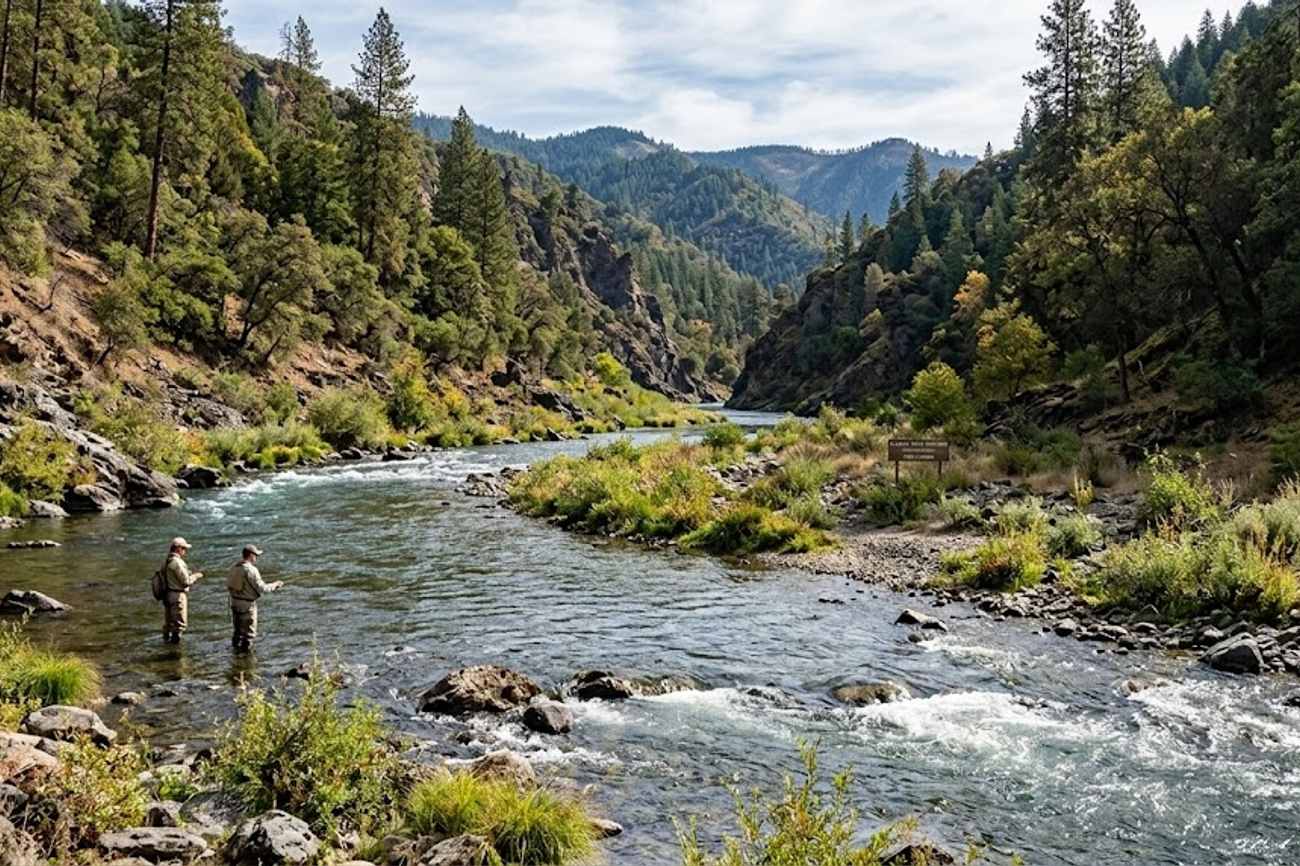
Image generated by AI
The Local Trend Revealed
The American West is witnessing a historic shift in river management. With the breaching of the J.C. Boyle, Copco 1, Copco 2, and Iron Gate dams, the Klamath River has been reconnected for the first time in over a century. This is not merely a construction project; it is a wholesale ecological reset. Completed in September 2024, the project has eliminated the concrete barriers that once stifled the migration of Chinook salmon, coho salmon, and steelhead.
For the modern traveler, the attraction is no longer just the scenery, but the process of recovery. The region is transitioning from a series of stagnant reservoirs into a wild, flowing system. Visitors are now witnessing a "working restoration landscape," where the river is actively reshaping its own channels and transporting sediment that had been trapped for decades.
Cultural & Environmental Value
The true heartbeat of this restoration lies in the partnership between NOAA Fisheries, California Trout, and the Yurok, Karuk, and Klamath tribes. For the Yurok Tribe, the river is the center of their cultural and subsistence lifeway. The restoration represents a healing of the bond between the people and the salmon.
The impact for the visitor is a move toward "interpretive tourism." Rather than seeing the river as a backdrop for adventure, guests are encouraged to engage with Indigenous-led stewardship. The integration of traditional ecological knowledge with modern telemetry—such as radio tags used to track salmon migration—offers a rare glimpse into how ancestral wisdom and western science collaborate to revive a dying ecosystem. This shift ensures that tourism supports the regional economy without compromising the fragile recovery of the riparian corridors.
Visitor Insider Tips
To experience the Klamath River responsibly and authentically, keep these local insights in mind:
- Visit Window: Plan your trip during the autumn salmon runs to witness the return of the fish, but be mindful of tribal fishing closures. Late spring offers the best opportunity to see the new riparian vegetation taking hold.
- Cultural Etiquette: Much of the restored land is under the stewardship of the Yurok Tribe. Always stay on marked trails and respect signage regarding sacred sites or restricted monitoring zones.
- Hidden Spot: Look for the tribal monitoring stations. While these are scientific hubs, they often provide the best educational context for how water quality and sediment are being managed.
- Sustainable Gear: Use lead-free tackle and biodegradable soaps. The river is in a sensitive recovery phase; minimizing chemical runoff is a priority for local conservation bodies.
Tourism Outlook
The Klamath is evolving from a standard outdoor destination into a premier site for eco-tourism and educational travel. While rafting, boating, and camping remain staples, the long-term draw will be the "generational recovery." Because scientists expect it to take multiple generations for fish populations to fully establish in the newly opened 400 miles, the river provides a living laboratory for those interested in climate resilience and habitat restoration. The future of the region depends on this balance: allowing the river to heal while welcoming visitors who value conservation over consumption.
Explore more on nomadlawyer.org:
- [Sustainable Travel Guides for the American West]
- [Indigenous-Led Tourism Initiatives in North America]
- [Eco-Tourism Regulations and Legal Frameworks]
Related Travel Guides
Disclaimer
This article is for informational and educational purposes only. It does not constitute legal, financial, or professional advice. While we strive to provide accurate and up-to-date information, travel policies, regulations, and conditions change rapidly. Always verify information with official sources before making travel decisions. Nomad Lawyer makes no representations about the accuracy, reliability, completeness, or suitability of the information provided. Readers should consult qualified professionals for advice specific to their circumstances. The views expressed in this article are those of the author and do not necessarily reflect the views of Nomad Lawyer.
Raushan Kumar
Founder & Lead Developer
Full-stack developer with 11+ years of experience and a passionate traveller. Raushan built Nomad Lawyer from the ground up with a vision to create the best travel and law experience on the web.
Learn more about our team →