
Middle East Aviation Crisis 2026: 1,261 Flights Delayed as Regional Instability Hits Gulf Hubs
Regional instability triggers massive aviation disruptions across the Middle East, with 1,261 flights delayed and 59 cancelled in 24 hours, impacting global connectivity.

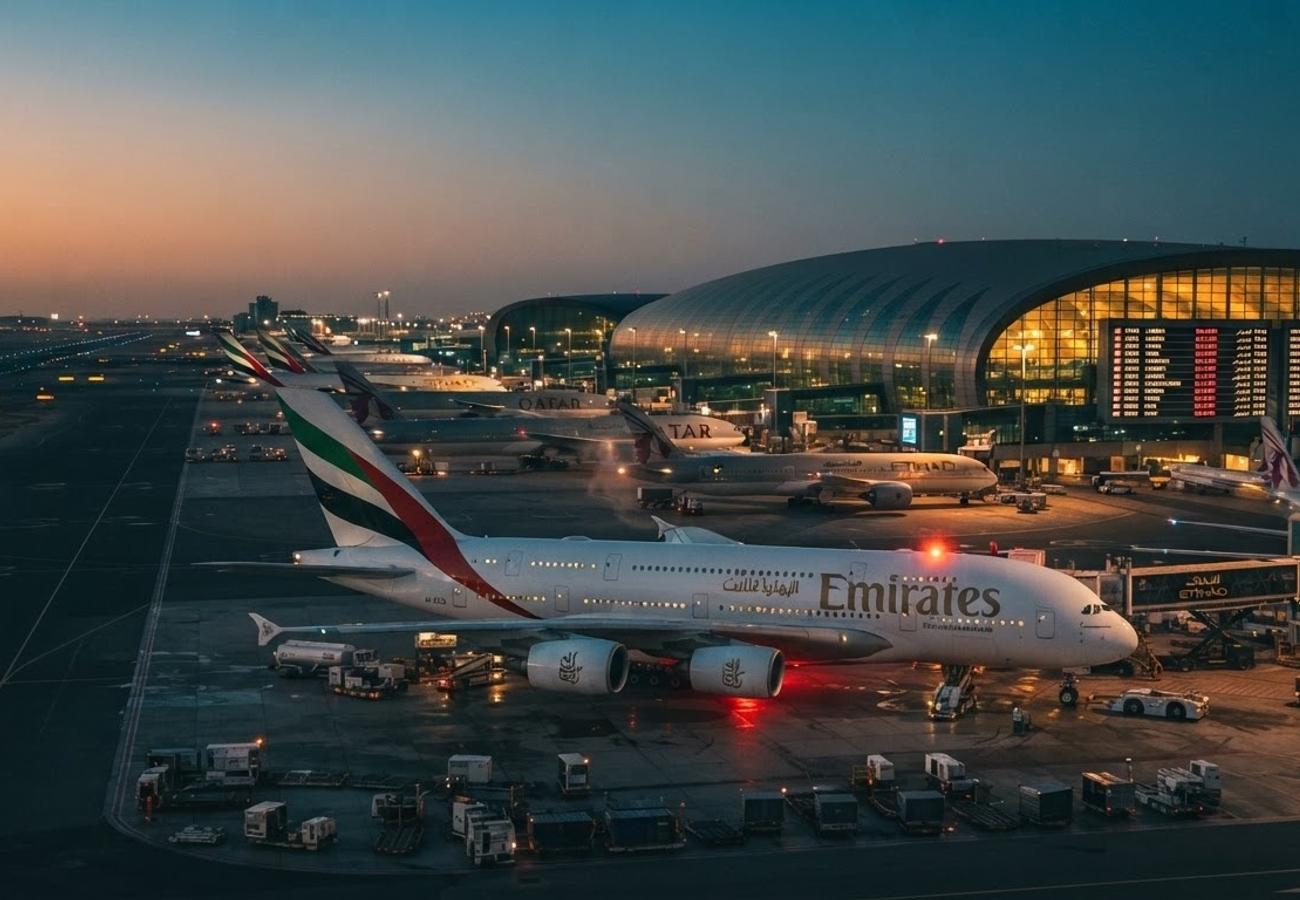
Image generated by AI
Air travel across the Middle East has plummeted into chaos, with 1,261 flights delayed and 59 cancellations recorded within a single 24-hour window. This surge in operational instability underscores the extreme fragility of global transit corridors that rely on the Gulf and Levant as primary connecting hubs.
The current volatility is not an isolated incident but part of a broader trend of regional instability that has systematically reshaped international flight paths throughout 2026. For the millions of passengers who utilize the Middle East to bridge Europe, Asia, and Africa, these figures represent a significant increase in travel risk and logistical uncertainty.
Gulf and Levant Hubs Face Severe Operational Bottlenecks
Recent data harvested from regional airport dashboards and flight tracking systems reveals that the current disruption is heavily concentrated in the Gulf and the eastern Mediterranean. Bahrain International Airport has emerged as a primary center for these delays, though airports across Kuwait, Israel, and the United Arab Emirates are also reporting critical levels of disruption.
The pattern of these delays is particularly damaging to long-haul logistics. Reports indicate that wide-body aircraft are frequently held at gates or experience significant arrival delays, which triggers a domino effect across regional feeder networks. While the 59 cancellations are lower than the absolute peaks seen during total airspace closures earlier in 2026, the sheer volume of 1,261 delayed flights creates a systemic backlog that is difficult for airlines to clear.
To mitigate the collapse of their schedules, some carriers have shifted toward consolidating flight frequencies. By operating fewer but higher-capacity services, airlines are attempting to maintain basic connectivity while managing limited crew hours and aircraft availability. Priority is being given to core "trunk" routes connecting the Middle East to major Asian and European cities, often at the expense of secondary destinations where rebooking options are scarce.
Airspace Restrictions and the Impact of Regional Conflict
The current operational crisis is inextricably linked to the security climate of 2026. Aviation intelligence providers highlight that widespread airspace closures earlier this year forced a fundamental shift in how airlines navigate the region. To avoid restricted zones, carriers have adopted longer flight paths, which directly increases fuel consumption, extends block times, and complicates crew duty rotations.
Since late February, flight information regions (FIRs) over Iraq, Iran, and adjacent states have fluctuated between total closure and highly restrictive access. Even when physical airports remain operational, the requirement to detour around "no-fly" zones removes the operational buffer that airlines typically use to absorb minor delays. When a single flight is delayed by 30 minutes in this environment, it frequently cascades into multi-hour delays for subsequent legs of the journey.
Industry analysis suggests that the economic and logistical shock caused by the Iran conflict is the most severe disruption to Middle East connectivity since the global pandemic. During peak instability in March, regional flight volumes dropped by more than 50% compared to pre-conflict levels. Major hubs including Abu Dhabi, Doha, and Dubai were forced to operate at reduced capacities, with some airlines grounding fleets entirely to reassess safety protocols and market demand.
Passenger Logistics: Missed Connections and Compensation Hurdles
For the individual traveler, the tally of 1,261 delays manifests as overcrowded terminals, stagnant immigration queues, and a high probability of missed connections—particularly during the late-night departure banks typical of Gulf hubs. Travel industry bulletins report that passengers are facing grueling wait times for rebooking, with many forced into unplanned overnight stays or expensive rerouting via South Asian or European hubs.
There has been a documented spike in compensation claims filed against European and Middle Eastern carriers. However, a legal gray area exists: many of these disruptions are caused by airspace restrictions and security mandates, which are often classified as "extraordinary circumstances" outside the airline's control. This frequently exempts carriers from paying monetary compensation, though they remain legally obligated in most jurisdictions to provide "duty of care" assistance, including meals and hotel accommodation.
Travel rights organizations are urging passengers to rely on official airline applications and airport displays rather than social media, which often spreads outdated information during crises. However, the scale of the current disruption has overwhelmed many airline call centers, leaving passengers with conflicting information regarding their flight status.
Economic Strain on Aviation Infrastructure and Carriers
The financial toll of 1,261 daily delays extends far beyond passenger frustration. Aviation analytics firms note that the necessity of longer routing and extended holding patterns has led to a surge in unplanned fuel expenditure. This is occurring simultaneously with elevated global oil prices, creating a double-sided squeeze on airline profit margins.
The strategic response from regional carriers has been a recalibration of capacity. This includes trimming frequencies on specific Europe-Asia corridors and freezing expansion plans for marginal routes. While load factors—the percentage of seats filled—remain high on remaining flights, the total volume of traffic is down compared to the start of 2026.
Airports are also feeling the strain. High volumes of delayed departures lead to "gridlock" on taxiways and complicate stand allocation. When arriving aircraft cannot vacate the runway or find an available gate due to a delayed departure occupying the spot, runway throughput drops, creating a feedback loop that further compounds the delays.
Long-Term Volatility and Travel Strategy for 2026
Experts agree that the Middle East aviation sector is entering a period of prolonged volatility rather than a quick recovery. The current snapshot of 1,261 delays and 59 cancellations is indicative of a "new normal" where security alerts and drone incidents can trigger tactical cancellations in real-time.
For corporate travel managers and frequent flyers, the recommendation is to build significant buffers into itineraries. This includes allowing for much longer minimum connection times (MCT) and opting for earlier departure legs to ensure that a single delay does not collapse an entire multi-city trip. Furthermore, reviewing travel insurance policies specifically for "trip interruption" and "missed connection" coverage is now considered essential for anyone transiting through the Gulf or Levant.
The fragility of the Middle East's skies serves as a stark reminder that in 2026, geopolitical stability is the primary driver of aviation reliability.
Related Travel Guides
Disclaimer
This article is for informational and educational purposes only. It does not constitute legal, financial, or professional advice. While we strive to provide accurate and up-to-date information, travel policies, regulations, and conditions change rapidly. Always verify information with official sources before making travel decisions. Nomad Lawyer makes no representations about the accuracy, reliability, completeness, or suitability of the information provided. Readers should consult qualified professionals for advice specific to their circumstances. The views expressed in this article are those of the author and do not necessarily reflect the views of Nomad Lawyer.
Kunal K Choudhary
Co-Founder & Contributor
A passionate traveller and tech enthusiast. Kunal contributes to the vision and growth of Nomad Lawyer, bringing fresh perspectives and driving the community forward.
Learn more about our team →