
Volcanic Lake Washington Between Portland Mount Rainier: 2026 Guide
A stunning volcanic lake nestled between Portland and Mount Rainier offers accessible hiking trails and panoramic Pacific Northwest views in 2026. Nomadic travelers discover this hidden gem with scenic day-trip potential from both major gateways.

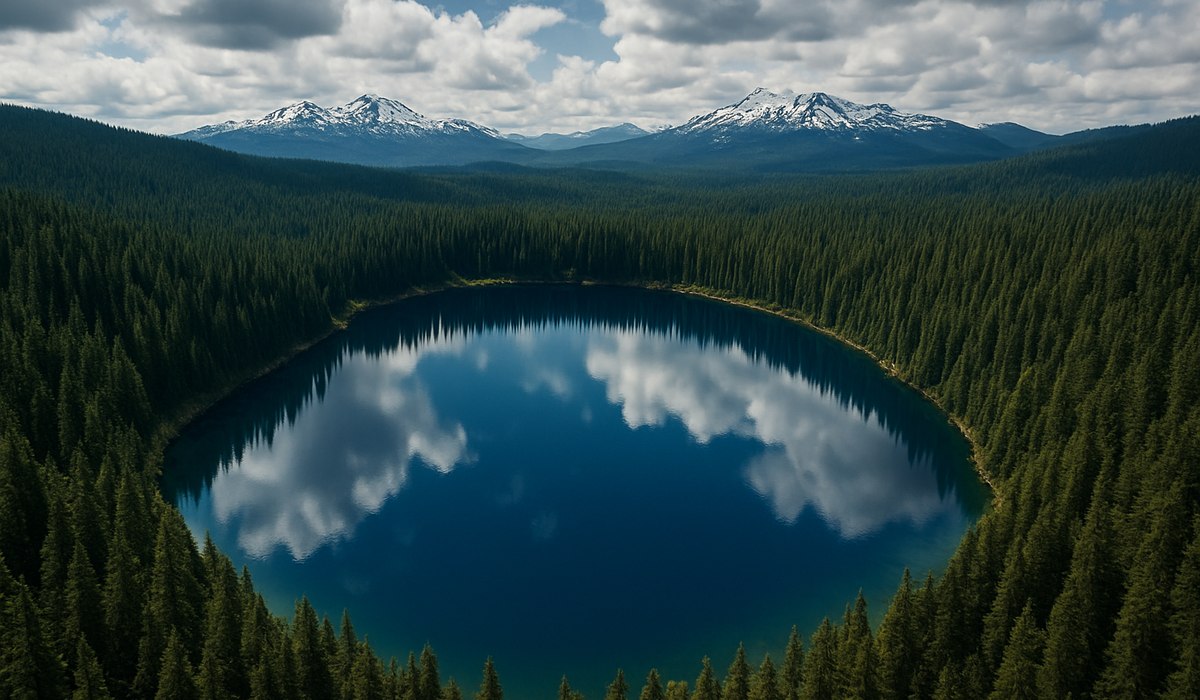
Image generated by AI
A Volcanic Gem Emerges as 2026's Must-Visit Pacific Northwest Destination
Washington's volcanic lake positioned strategically between Portland and Mount Rainier National Park is gaining recognition among digital nomads and adventure travelers seeking authentic Pacific Northwest experiences. This crater lake, born from ancient volcanic activity, offers an underrated alternative to crowded national parks while maintaining accessible hiking infrastructure that welcomes all fitness levels. The lake's growing popularity in 2026 stems from improved trailhead access and expanded visitor amenities that make it an ideal day-trip destination for remote workers exploring the region's natural landscape.
The Volcanic Lake's Geological Origin Story
The volcanic lake Washington between Portland Mount Rainier was formed thousands of years ago during significant Cascade Range volcanic activity. This crater lake represents a fascinating geological timeline where molten rock once dominated the landscape, eventually cooling to create the serene alpine water body visible today. The lake's formation process involved complex tectonic interactions that shaped the entire Cascade volcanic chain.
The surrounding terrain reflects these dramatic origins, with visible basalt formations and volcanic deposits throughout the watershed. Geologists and nature enthusiasts alike recognize this location as an educational destination where the earth's dynamic processes remain clearly visible. The volcanic features have attracted increased scientific tourism in 2026, with universities conducting research programs accessible to visiting scholars and curious travelers.
The crater's crystalline water achieves stunning turquoise hues created by glacial sediment suspended in the lake. This natural phenomenon makes the volcanic lake Washington between Portland Mount Rainier particularly photogenic, attracting content creators and landscape photographers throughout the season.
Best Hiking Trails for All Skill Levels
The volcanic lake region features five primary hiking trails ranging from easy lakeside walks to challenging alpine loops. The accessible circumnavigation trail spans approximately 4.2 miles with minimal elevation gain, perfect for nomadic travelers prioritizing views over athletic intensity. This route delivers panoramic perspectives of the volcanic lake Washington between Portland Mount Rainier region without requiring technical climbing skills.
Intermediate hikers gravitate toward the crater rim trail, offering 6.8 miles of sustained elevation change with dramatic overlooks. This path ascends 1,200 feet through subalpine forest and alpine meadows, providing ecological diversity within a single outing. The rim trail peaks reward effort with unobstructed vistas encompassing Mount Rainier's summit on clear days.
Advanced adventurers pursue the volcanic cone summit trail, a challenging 9-mile round trip climbing 2,400 feet through sparse alpine terrain. This expedition-style route requires preparation but yields unparalleled perspectives of the Cascade volcanic landscape. The summit experience includes 360-degree panoramas impossible from lower elevations.
Family-friendly options include the lakeside boardwalk and interpretive loop, maintaining wheelchair accessibility while providing natural history education. These shorter routes (0.8–1.5 miles) suit travelers with young children or mobility considerations, ensuring inclusive mountain experiences.
Best Time to Visit
The optimal season for experiencing the volcanic lake Washington between Portland Mount Rainier extends from late June through September, when snow clears completely from higher elevations. Summer months deliver warm daytime temperatures ranging from 65–75°F with minimal precipitation, creating ideal hiking conditions. July and August attract the heaviest visitation, though early morning starts provide relative solitude on popular trails.
May and early June present appealing alternatives for photographers seeking wildflower displays and fewer crowds. Snowpack persists above 7,000 feet during this shoulder season, limiting trail accessibility but creating dramatic photographic opportunities. September offers crisp alpine air and golden larch colors, attracting fall-focused travelers.
Winter closures typically extend from November through May due to substantial snowpack and avalanche hazards. Spring conditions remain unpredictable with rapidly changing weather, while autumn storms can arrive unexpectedly after mid-September. Plan visits during established season windows to ensure trailhead access and full amenity availability.
How to Get There
The volcanic lake Washington between Portland Mount Rainier sits approximately 85 miles northeast of Portland International Airport via US Highway 12 and State Route 7. The drive requires 2–2.5 hours from Portland's city center, making it feasible for single-day adventures. From Mount Rainier National Park's southwestern entrances, the volcanic lake lies 60 miles east via connecting highways, adding 90 minutes to transit time.
Regional airports serving the area include Seattle-Tacoma International Airport (SEA), positioned 150 miles north with excellent rental car availability. Budget Airlines and major carriers operate frequent service from these hubs, reducing travel barriers for international nomadic workers. Ground transportation options range from standard economy rentals to premium four-wheel-drive vehicles suitable for rough forest service roads.
Public transportation remains limited in this mountain region, necessitating private vehicle access or organized tour services. Several Portland and Seattle-based outfitters operate guided trips to the volcanic lake, accommodating travelers preferring professional navigation and interpretation.
Parking at primary trailheads operates on a first-come basis throughout peak season, with early morning arrivals ensuring accessible spots. Secondary parking areas typically fill by 10:00 AM during July and August weekends, requiring strategic timing or reservation-based systems now implemented at the most popular access points.
What to Know Before You Visit
The volcanic lake region operates under standard national forest recreation guidelines, requiring valid parking permits available at trailhead kiosks or nearby ranger stations. Most permits cost $5 per vehicle daily or $30 annually, supporting trail maintenance and facility operations. Group sizes should remain under 20 people to minimize environmental impact and preserve experience quality for other visitors.
Weather conditions change rapidly at elevation, with afternoon thunderstorms possible even during summer months. Carry adequate layers and rain protection regardless of morning forecasts, as conditions deteriorate quickly above 6,000 feet. Cell service remains unreliable throughout the volcanic lake region, necessitating offline map downloads and GPS devices for backcountry navigation.
Water availability on trails is limited and should not be trusted without proper filtration or chemical treatment. Hikers should carry minimum three-liter hydration capacity for day trips, with additional reserves for unexpected delays. The volcanic lake itself provides drinking water only after boiling or filtration due to giardia contamination risks.
Wildlife including black bears, mountain lions, and mule deer inhabit the region, requiring food storage compliance and noise awareness during travel. Store all edibles in bear-resistant containers at campsites, never relying on vehicle storage. Make audible noise at trail intersections to avoid surprising wildlife, particularly during early morning and dusk hours.
Nearby Amenities and Services
Accommodation options range from rustic USFS cabins to modern lodges in surrounding communities. The closest town, situated 12 miles downslope, offers limited grocery services and fuel stations, with more comprehensive shopping in larger regional centers 40+ miles distant. Nomadic travelers should plan resupply carefully, as rural mountain areas lack continuous commercial availability.
Dining establishments cluster in nearby gateway communities rather than the immediate volcanic lake zone. Pack substantial trail snacks and lunch provisions rather than relying on on-site food service, which remains unavailable at trailheads. Coffee shops and restaurants in outlying towns support pre-hike preparation and post-adventure celebrations.
Emergency medical services require 45–60 minute transport to regional hospitals, emphasizing wilderness first aid education and injury prevention. Trailhead ranger stations staffed seasonally provide basic medical supplies and emergency communication access during operational hours.
Key Data Table
| Feature | Details |
|---|---|
| Location | Central Washington Cascade Range, between Portland and Mount Rainier |
| Lake Elevation | 4,847 feet above sea level |
| Lake Area | Approximately 1,240 acres |
| Primary Trails | 5 established routes (0.8–9 miles each) |
| Access Season | June 15–September 30 (weather dependent) |
Disclaimer
This article is for informational and educational purposes only. It does not constitute legal, financial, or professional advice. While we strive to provide accurate and up-to-date information, travel policies, regulations, and conditions change rapidly. Always verify information with official sources before making travel decisions. Nomad Lawyer makes no representations about the accuracy, reliability, completeness, or suitability of the information provided. Readers should consult qualified professionals for advice specific to their circumstances. The views expressed in this article are those of the author and do not necessarily reflect the views of Nomad Lawyer.
Raushan Kumar
Founder & Lead Developer
Full-stack developer with 11+ years of experience and a passionate traveller. Raushan built Nomad Lawyer from the ground up with a vision to create the best travel and law experience on the web.
Learn more about our team →