
Middle East Aviation Crisis 2026: Oman Air Disruptions Impact UAE and Qatar Flight Networks
Operational restrictions and flight cancellations at Oman Air have triggered a ripple effect across UAE and Qatar aviation hubs, disrupting global transit corridors in 2026.

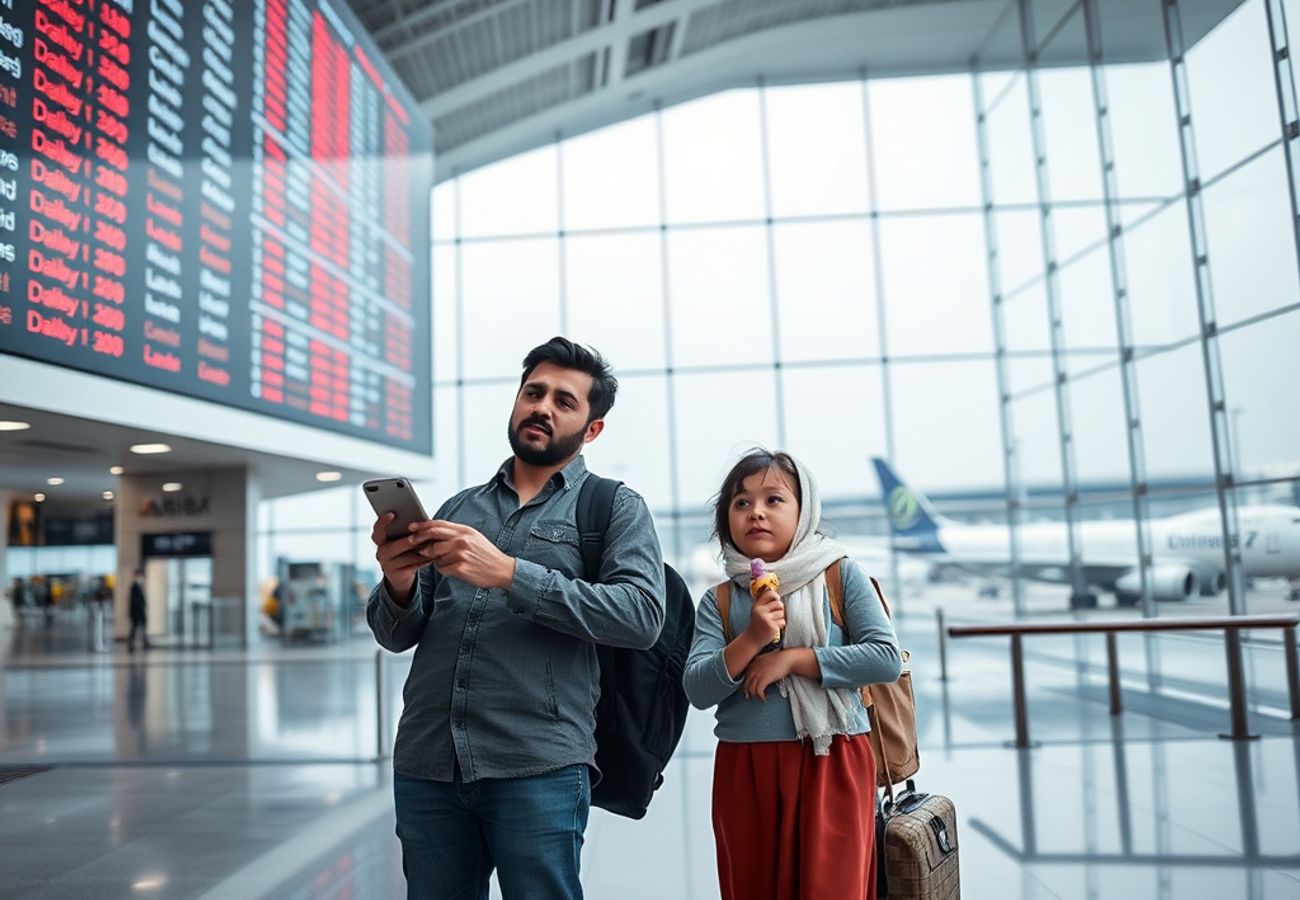
Image generated by AI
Operational restrictions and flight cancellations at Oman Air have triggered a ripple effect across UAE and Qatar aviation hubs, disrupting global transit corridors in 2026.
The Local Trend Revealed: Regional Volatility in the Gulf Sky
The Middle East's aviation architecture is currently grappling with a period of intense operational instability. The catalyst is a series of temporary air route restrictions and operational challenges centered around Oman Air, which have sent shockwaves through the interconnected networks of the UAE and Qatar.
Because the Gulf serves as the primary bridge between Europe, Asia, Africa, and the Americas, a localized restriction in the Sultanate of Oman does not remain local. The current disruption has forced a massive reshuffling of aircraft and passengers, as carriers attempt to navigate restricted airspace and modified flight paths. For Oman Air, these "exceptional operational circumstances" have led to a chain reaction: a single delayed arrival now triggers a cascade of cancellations and schedule shifts across their entire international network due to the tight integration of crew rotations and aircraft availability.
Cultural & Environmental Value: Navigating the Global Transit Hub
For the visitor, the real impact is the fragility of the "hub-and-spoke" model. The UAE (via Dubai and Abu Dhabi) and Qatar (via Doha's Hamad International Airport) are not just destinations; they are the world's most critical transfer points. When one link in this regional chain—such as Oman's airspace—is restricted, the efficiency of the entire global transit system drops.
From a regional heritage perspective, the Gulf states have invested billions into becoming the center of the aviation world. However, this reliance on a few hyper-connected hubs means that any operational disturbance creates immediate passenger uncertainty. The shift now is toward "network continuity," where airlines are increasingly relying on interline agreements to rebook passengers on partner carriers to prevent total travel stagnation.
Visitor Insider Tips: Managing Gulf Transit in 2026
Navigating the Middle East during periods of aviation volatility requires a proactive approach. To avoid being stranded in a transit hub, follow these local expert guidelines:
- The Digital Tether: Ensure your booking is linked to a WhatsApp-enabled number. Gulf carriers, particularly Oman Air, are prioritizing WhatsApp, SMS, and email over traditional boarding gate announcements for real-time delay updates.
- The "Buffer" Rule: During operational instability, the standard 2-hour connection is insufficient. Aim for a minimum 6-to-8 hour window when transiting through Dubai (DXB), Doha (DOH), or Muscat (MCT) to account for potential route diversions.
- Off-Peak Windows: To avoid the heaviest congestion during recovery efforts, schedule regional hops (e.g., Muscat to Dubai) during mid-week windows (Tuesday/Wednesday) rather than weekend peaks.
- Local Dining Hack: If stranded in Doha, avoid the main terminal food courts and head to the quieter lounges or specialized cultural cafes in the airport's periphery for a more authentic Qatari coffee experience.
Tourism Outlook: The Resilience of the Gulf Network
Despite the current instability, the long-term outlook for Gulf aviation remains robust. The infrastructure in the UAE, Qatar, and Oman is designed for high-volume resilience. The current crisis is highlighting the need for more flexible airspace agreements and diverse routing options to prevent a single point of failure from impacting global travel.
As Saudi Arabia continues to expand its aviation sector to support its national tourism goals, the region is moving toward a more distributed network. This will likely reduce the pressure on any single hub and provide passengers with more alternative routing options when operational restrictions occur.
The Gulf remains the heartbeat of global connectivity, but 2026 is proving that flexibility is as important as infrastructure.
Related Travel Guides
Disclaimer
This article is for informational and educational purposes only. It does not constitute legal, financial, or professional advice. While we strive to provide accurate and up-to-date information, travel policies, regulations, and conditions change rapidly. Always verify information with official sources before making travel decisions. Nomad Lawyer makes no representations about the accuracy, reliability, completeness, or suitability of the information provided. Readers should consult qualified professionals for advice specific to their circumstances. The views expressed in this article are those of the author and do not necessarily reflect the views of Nomad Lawyer.
Kunal K Choudhary
Co-Founder & Contributor
A passionate traveller and tech enthusiast. Kunal contributes to the vision and growth of Nomad Lawyer, bringing fresh perspectives and driving the community forward.
Learn more about our team →