
India Coastal Monsoon Travel Guide 2026: Navigating Kerala, Goa, Maharashtra, and Andaman Islands
Explore the lush transformation of India's coastline during the 2026 monsoon, from Goa's emerald hills to Kerala's backwaters, while managing seasonal weather risks.

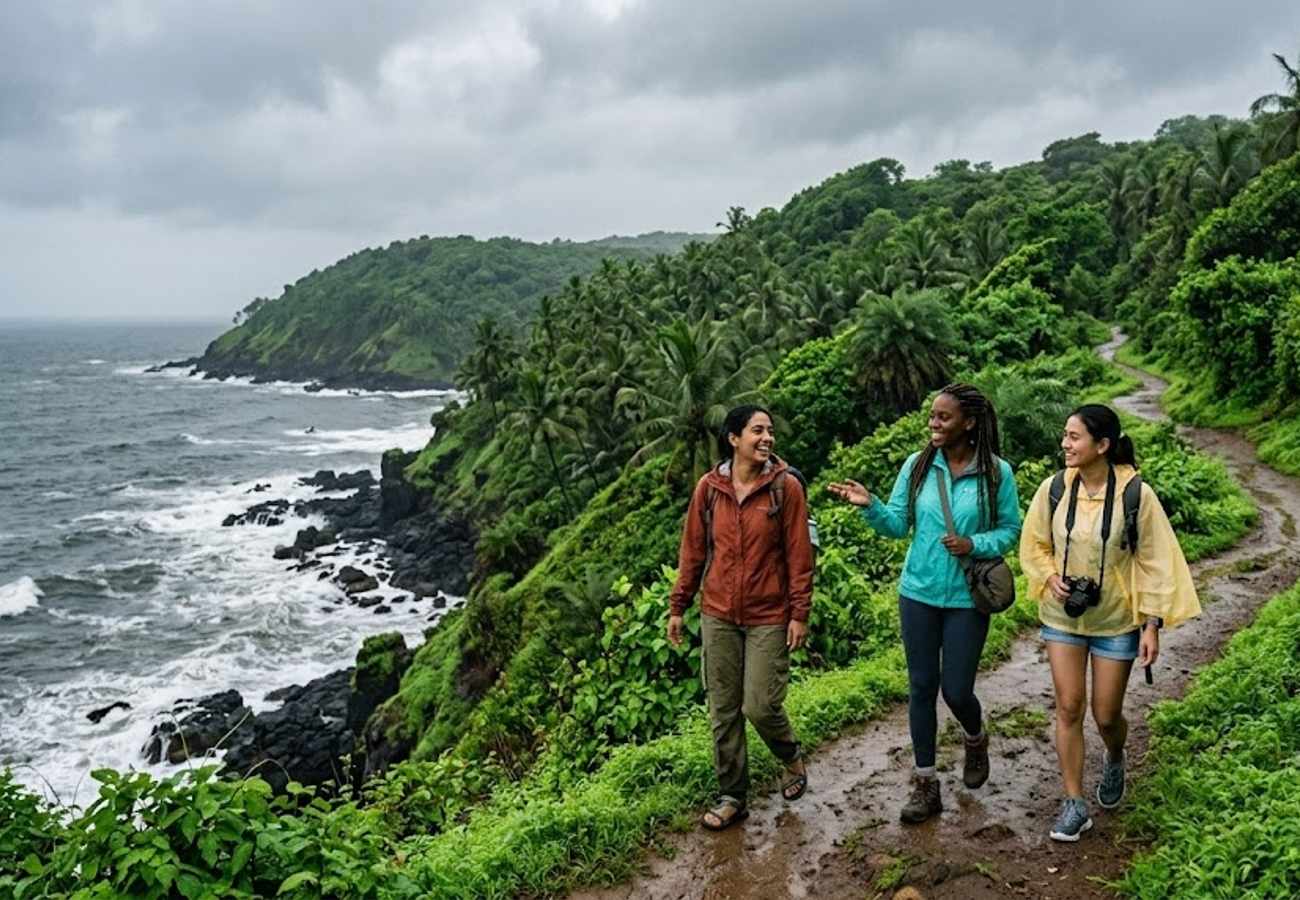
Image generated by AI
The Indian coastline transforms into a vivid emerald corridor between June and September, offering a serene alternative to the chaotic peak winter season. While the visual reward is a breathtaking array of rain-washed beaches and dramatic skies, the logistical reality requires a strategic approach to safety and flexibility.
The Local Trend: The Shift Toward "Slow Monsoon Tourism"
There is a growing movement among seasoned travelers to pivot away from the traditional "sun and sand" beach holiday toward "Slow Tourism" during the monsoon. In destinations like Goa and the Konkan coast, the trend is shifting from water sports to inland exploration. Visitors are now prioritizing heritage walks, waterfall trekking, and culinary immerses over parasailing and jet skiing, which are largely suspended due to rough sea conditions.
For the visitor, the real impact is a more intimate connection with the local rhythm. With the closure of many seasonal beach shacks, the focus shifts to authentic village homestays and regional eateries, supporting the local economy outside the hyper-commercialized winter window.
Regional Breakdown: Beauty vs. Logistics
Goa and the Konkan Coast (Maharashtra)
Goa becomes a sanctuary of lush coconut groves and active waterfalls. However, the Arabian Sea turns volatile. Swimming is often prohibited, and warning flags are common. In Maharashtra’s Konkan region—covering Alibaug, Ratnagiri, Ganpatipule, and Tarkarli—the scenery is striking for photographers, but road travel is the primary pain point. Waterlogging and slippery terrain can significantly increase transit times between coastal villages.
Kerala’s Tropical Corridor
From the cliffs of Varkala to the waterways of Alappuzha, Kerala is at its most atmospheric. The rain enhances the tropical vegetation, but the Arabian Sea remains highly agitated. The primary risk here is the disruption of houseboat schedules and ferry excursions. Travelers should prioritize accommodations with robust indoor facilities to avoid being stranded during torrential downpours.
The Island Chains: Andaman, Nicobar, and Lakshadweep
Island travel becomes a game of probability. In the Andaman and Nicobar Islands, strong winds and rough seas frequently lead to ferry rescheduling or cancellations. Similarly, in Lakshadweep, the very activities that define the destination—scuba diving and snorkeling—are often suspended due to poor underwater visibility and dangerous currents.
The Bay of Bengal: Odisha
In Puri, Konark, and Gopalpur, the monsoon brings a refreshing chill. While Puri remains a hub due to its religious significance, the Bay of Bengal can produce sudden, powerful waves. Monitoring official weather updates is non-negotiable here, as the shoreline can become hazardous within minutes.
Cultural & Environmental Value
Traveling during the monsoon is an act of sustainable tourism. By visiting during the off-peak season, travelers reduce the pressure on fragile ecosystems that are often overwhelmed by winter crowds. This period allows for a deeper engagement with regional heritage—such as the historic forts of the Konkan coast—without the interference of mass tourism. Supporting local artisans and small-scale farmers during these months ensures a more equitable distribution of tourism revenue throughout the year.
Visitor Insider Tips: Navigating the Rains
To ensure a seamless experience, follow these local directives:
- The "Buffer Day" Rule: When visiting the Andaman and Nicobar Islands, never schedule a ferry transfer on the same day as your return flight. Always maintain at least one buffer day to account for weather-induced cancellations.
- Transport Strategy: In Maharashtra, avoid planning long road journeys during heavy overnight rainfall to mitigate the risk of landslides or severe waterlogging.
- Dining Shift: Since beach shacks in Goa close for the season, seek out "Kade" (local eateries) and traditional Goan homes for authentic fish curries and seasonal delicacies.
- Safety First: Always heed the warning flags on beaches in Kerala and Odisha. If the sea is "rough," it is not a suggestion—it is a safety mandate.
- Gear Essentials: Invest in high-quality, breathable waterproof gear rather than umbrellas, which are often useless against the strong coastal winds.
Tourism Outlook
The long-term trajectory for India's coastal tourism is moving toward year-round viability. By diversifying the "product" to include monsoon-specific experiences—such as wellness retreats in Kerala or agri-tourism in the Konkan—these regions are becoming less dependent on the winter surge. This shift not only stabilizes the local economy but also protects the environmental integrity of the coastline by spreading the footfall across twelve months.
Embrace the rain, respect the sea, and discover the emerald side of India.
Related Travel Guides
Disclaimer
This article is for informational and educational purposes only. It does not constitute legal, financial, or professional advice. While we strive to provide accurate and up-to-date information, travel policies, regulations, and conditions change rapidly. Always verify information with official sources before making travel decisions. Nomad Lawyer makes no representations about the accuracy, reliability, completeness, or suitability of the information provided. Readers should consult qualified professionals for advice specific to their circumstances. The views expressed in this article are those of the author and do not necessarily reflect the views of Nomad Lawyer.
Preeti Gunjan
Contributor & Community Manager
A passionate traveller and community builder. Preeti helps grow the Nomad Lawyer community, fostering engagement and bringing the reader experience to life.
Learn more about our team →