
Caribbean Cruise Tourism Boom: 50M Annual Guests by 2030s as Mega Ships Reshape Island Ports
Global cruise market projected to welcome close to 50 million guests annually by mid-2030s. Carnival, Royal Caribbean, MSC expand fleets with tens of billions in shipyard investments across Caribbean, Mediterranean, Alaska routes.

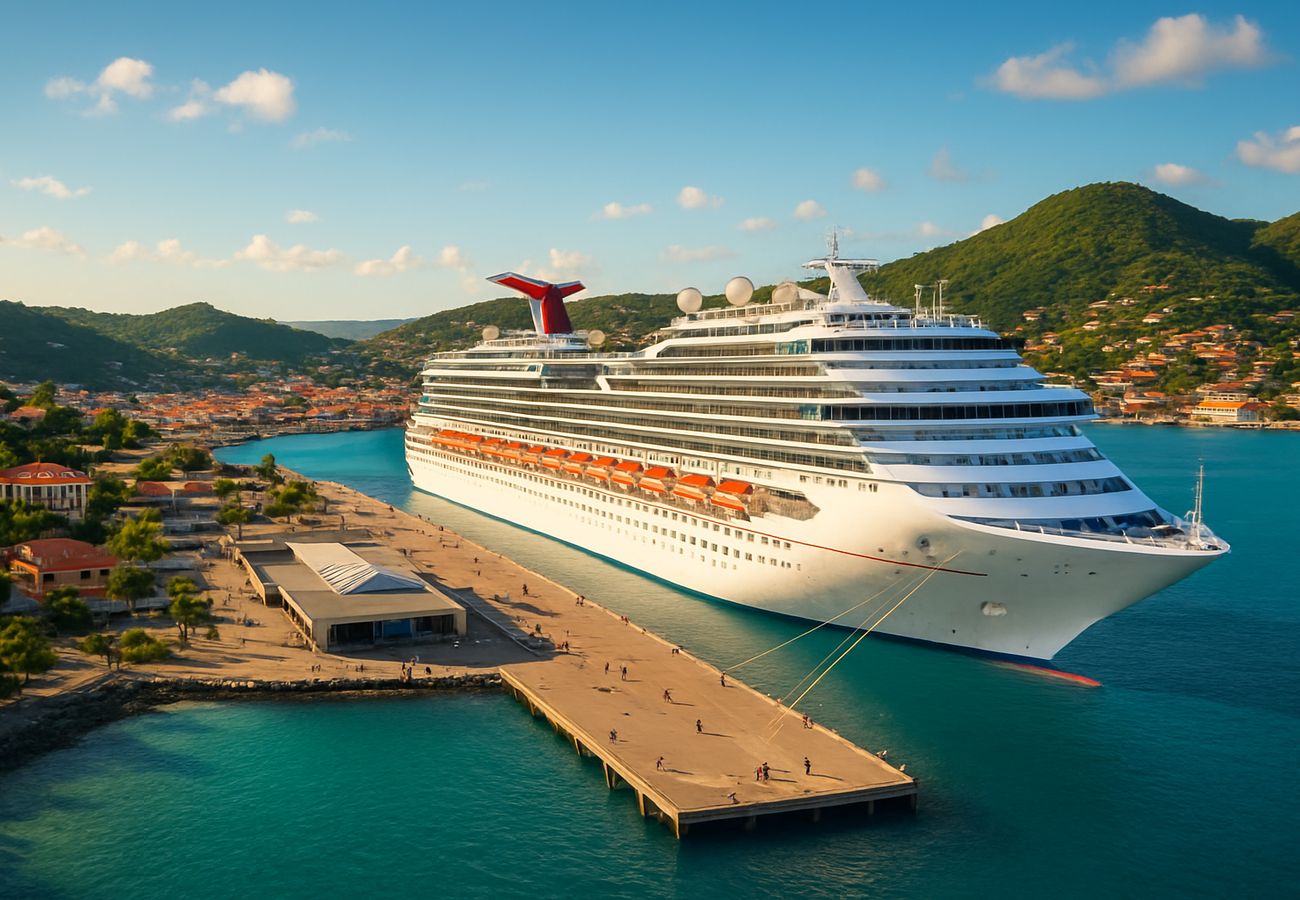
Image generated by AI
Carnival, Royal Caribbean, MSC and Disney are quietly rewriting travel dreams for families, retirees and first-time explorers as mega-ships turn Caribbean, Mediterranean and Alaska cruise routes into the world's hottest tourism goldmine. Parents see cruise tourism as a way to unpack once and wake up in a new city every morning, while local guides wait on the pier hoping for fuller tours and busier markets. This new wave of demand is not just filling cabins; it is reshaping how destinations plan ports, shore excursions and evening events so that visitors step off ships ready to spend, explore and return for longer land stays.
Why This Matters
Industry projections suggest the global cruise market could welcome close to 50 million guests annually by the mid-2030s, up sharply from levels seen a decade ago. Growing fleets from Carnival, Royal Caribbean, MSC, Norwegian and Disney will add tens of thousands of new berths, with many ships sailing year-round across major tourism regions. Each new vessel entering service can deliver thousands of visitors per call, creating powerful spikes of demand for local tours, restaurants, taxis and attractions.
For many coastal economies, these floating resorts now act as moving gateways that feed travellers into wider tourism networks on land. This capacity wave rests on a massive global orderbook, with dozens of new ships under construction and investments estimated in the tens of billions of dollars. Shipyards in France, Germany, Italy and Finland are busy building larger, more efficient vessels that offer waterparks, neighbourhood-style promenades and themed experiences designed to keep guests spending both on board and ashore.
Destinations in the Spotlight
As fleets expand, cruise lines increasingly look beyond traditional hubs, seeking fresh itineraries that can differentiate their products and open new destinations to international visitors. Emerging homeports in Asia, the Middle East and secondary European cities expect more frequent departures, which in turn encourages airlines, hotels and local operators to align their products with cruise calendars.
| Region | Primary Routes | Key Ports | Growth Driver |
|---|---|---|---|
| Caribbean | Year-round sailings | Barbados, Jamaica, Cozumel | Beach/cultural excursions |
| Mediterranean | Spring/summer peak | Barcelona, Venice, Athens | Heritage tourism |
| Alaska | Summer season | Juneau, Ketchikan, Glacier Bay | Nature/wildlife experiences |
| Asia-Pacific | Emerging | Singapore, Hong Kong, Bangkok | New homeport development |
| Middle East | Winter expansion | Dubai, Muscat, Doha | Luxury positioning |
For tourism authorities, the surge in cruise tourism offers both opportunity and pressure. Port cities that modernize terminals, streamline immigration and improve transport links can attract more ship calls, turning a single day's visits into a season-long revenue engine. Upgraded waterfronts, pedestrian promenades and visitor centres often start as cruise-driven projects and later benefit independent travellers and residents as well. When planning works well, passengers flow seamlessly from ship to shore, joining shore excursions that showcase heritage districts, food markets, beaches and nature reserves in ways that distribute income across communities rather than concentrating it in a few locations.
What Travelers Get
- Unpack-once convenience: Wake in a new Caribbean destination daily without hotel transfers or luggage handling.
- All-inclusive pricing: Meals, entertainment and onboard activities bundled; shore excursions range from $50–$300 per person depending on duration and destination.
- Flexible itineraries: Overnight port stays in major cities like Barbados and Jamaica allow evening cultural events and neighbourhood dining beyond traditional daytime tours.
- Family-friendly amenities: Waterparks, kids' clubs and themed dining keep multi-generational groups engaged both at sea and ashore.
- Emerging route access: New homeports in Asia and the Middle East open previously inaccessible itineraries for North American and European travellers.
What This Means for Travelers
Book Caribbean and Mediterranean cruises 6–9 months in advance to secure preferred cabin locations and shore excursion slots, as demand for 2026–2027 sailings is accelerating. Verify port-specific vaccination, visa and documentation requirements with your cruise line before departure, as immigration procedures vary by destination. Consider overnight port stays in major cities to experience local dining and cultural events beyond standard daytime tours. Research cruise line sustainability certifications and shore excursion operators that partner with community-based guides to ensure your spending supports local economies directly. Monitor emerging homeports in Asia and the Middle East for competitive pricing on repositioning cruises and new itineraries launching in 2027–2028.
FAQ: Caribbean Cruise Tourism 2026
Q: How many new cruise ships are entering service in 2026? Dozens of vessels are under construction across major shipyards in France, Germany, Italy and Finland, with investments estimated in the tens of billions of dollars. Exact delivery schedules vary by cruise line, but capacity growth is expected to accelerate through 2030.
Q: What is the projected global cruise market size by the mid-2030s? The global cruise market could welcome close to 50 million guests annually by the mid-2030s, representing significant growth from current levels. This expansion is driven by new ship deliveries, emerging homeports and increased year-round sailings.
Q: How do cruise ports balance tourism growth with environmental protection? Newer ships focus on cleaner fuels and efficient technologies, while ports invest in shore power and waste management. Tourism boards promote smaller group tours, community-based experiences and off-peak scheduling to ease congestion in historic centres and fragile natural sites.
Local businesses stand at the heart of this transformation, because every call from a large cruise ship can generate hundreds of small economic interactions in a single afternoon. Tour guides, craft sellers, restaurant owners and transport providers often tailor their services to ship timetables, creating special menus, bundled tours and fast-turnaround experiences that suit limited port times. As more itineraries include overnight stays, cities gain chances to promote evening cultural events, neighbourhood dining and live performances that encourage deeper engagement with local life.
Even short introductory visits can plant the seed for return trips, with many passengers later booking longer holidays to the same region. At the same time, destinations increasingly link cruise tourism to sustainability goals, recognising that long-term success depends on protecting the very environments and cultures that attract visitors. Consult the UNWTO sustainable cruise guidelines for best practices on balancing growth with environmental stewardship.
Newer ships focus on cleaner fuels and more efficient technologies, while ports invest in shore power and better waste management to reduce environmental impact. Tourism boards promote smaller group tours, community-based experiences and off-peak scheduling to ease congestion in historic centres and fragile natural sites. Review Royal Caribbean's sustainability report and Carnival's environmental initiatives to understand how major cruise lines are addressing climate and conservation concerns.
Responsible planning helps ensure that cruise growth supports sustainable tourism, offering livelihoods to local families without overwhelming neighbourhoods or ecosystems. Looking ahead, travellers choosing Caribbean sunsets, Mediterranean villages or Alaska fjords by cruise ship will shape the fortunes of many coastal communities who see ships as lifelines, not just photo backdrops. Behind each gleaming vessel stands a network of cooks, drivers, artisans and guides who count on every arrival to pay school fees, keep shops open and preserve traditions for the next generation.
As fleets grow and new routes open, the real measure of success for global cruise tourism will be how many of those people feel the benefits in their daily lives, long after the ship's horn fades over the horizon.
Related Travel Guides
Disclaimer
This article is for informational and educational purposes only. It does not constitute legal, financial, or professional advice. While we strive to provide accurate and up-to-date information, travel policies, regulations, and conditions change rapidly. Always verify information with official sources before making travel decisions. Nomad Lawyer makes no representations about the accuracy, reliability, completeness, or suitability of the information provided. Readers should consult qualified professionals for advice specific to their circumstances. The views expressed in this article are those of the author and do not necessarily reflect the views of Nomad Lawyer.
Kunal K Choudhary
Co-Founder & Contributor
A passionate traveller and tech enthusiast. Kunal contributes to the vision and growth of Nomad Lawyer, bringing fresh perspectives and driving the community forward.
Learn more about our team →