
Airlines Cautiously Restore Middle East Flight Routes After Iran Conflict in 2026
Global aviation carriers are gradually resuming operations across Middle Eastern corridors following the Iran war, balancing passenger demand against high insurance costs and airspace restrictions.

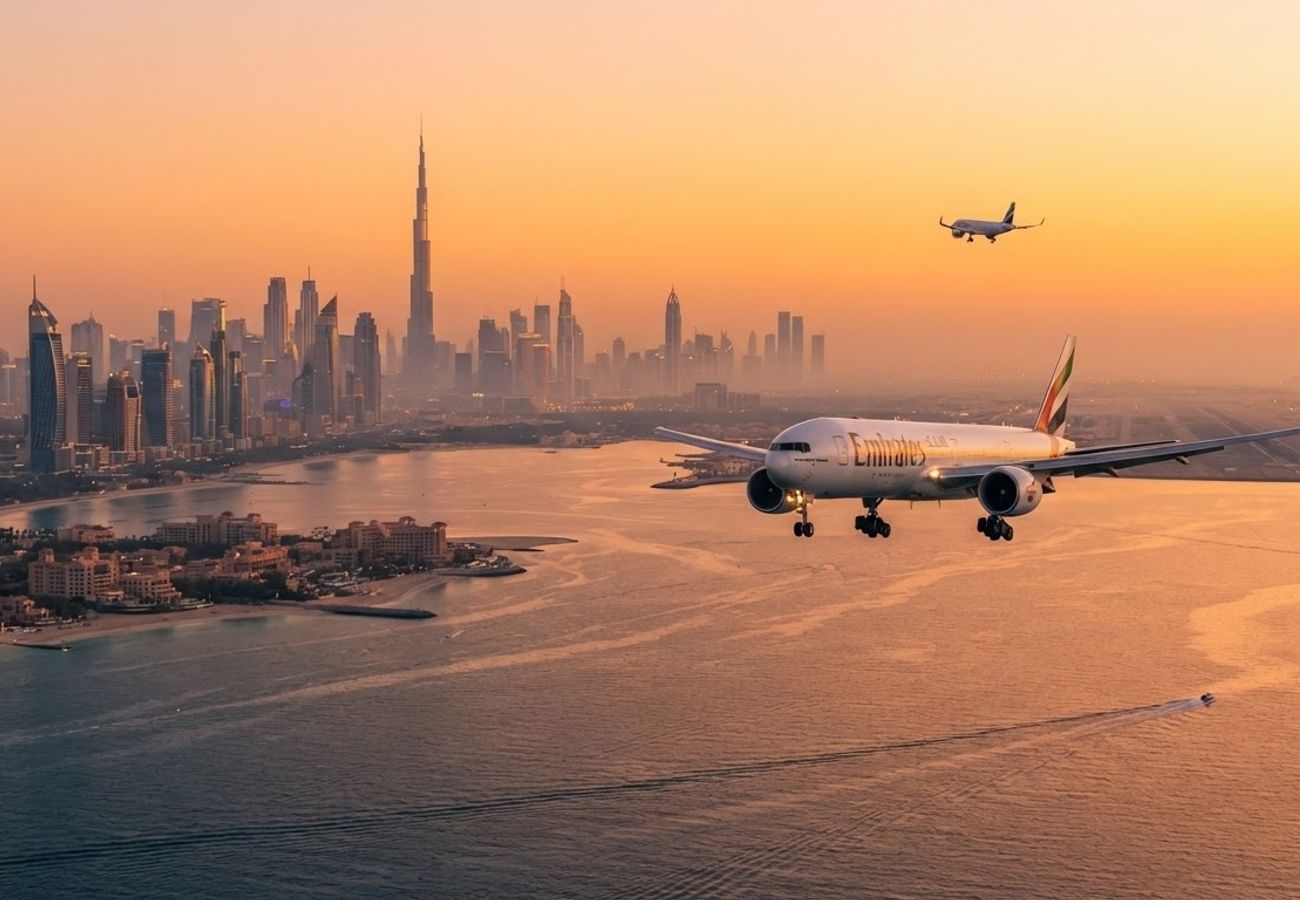
Image generated by AI
Global aviation networks are entering a phased recovery as carriers slowly reintegrate Middle East routes following the Iran conflict, though systemic airspace detours and spiked insurance premiums continue to inflate operating costs.
The restoration of air services across the Middle East is unfolding with extreme caution several months after U.S. and Israeli strikes on Iran forced massive airspace closures. While flight schedules are returning, industry data indicates a fragmented recovery where carriers are prioritizing high-revenue hubs while maintaining strict avoidance of high-risk zones.
Gulf Hubs Anchor Regional Aviation Recovery
The resurgence of air traffic is currently centered on major Gulf gateways, specifically Dubai and Doha. These cities are serving as the primary anchors for the region's recovery, with local carriers aggressively adding capacity to reconnect Africa, Asia, and Europe. However, these hubs are not yet operating at pre-war levels, as many itineraries that once relied on overflights of Iran and its neighbors remain restricted.
Industry reports identify this trend as a "hub-first" recovery model. In this strategy, airlines most dependent on transfer traffic prioritize the restoration of high-yield trunk routes. This has resulted in a tiered service landscape where primary global hubs are rebounding rapidly, while secondary regional destinations remain underserved or entirely disconnected.
European and Asian Carriers Implement Modified Schedules
Airlines from Europe and Asia are reintroducing services to the Middle East, but with significantly tighter risk controls and reduced frequencies. Reports indicate that while flights to Riyadh, Doha, Dubai, and Tel Aviv have resumed, daily flight counts remain lower than historical averages, with some routes remaining suspended through the autumn travel season.
A critical component of this return is the continued avoidance of airspace over Syria, Iraq, Israel, and Iran. Flight-tracking data confirms that long-haul journeys between Europe and Asia are taking wide detours to maintain a safe distance from conflict-adjacent skies. While this ensures passenger safety, it adds substantial flight time and increases fuel consumption.
Asian operators are demonstrating similar hesitation. Some have delayed the resumption of direct services to Beirut and Tel Aviv, opting instead to route passengers through Gulf-based codeshare partners. Additionally, some seasonal routes to Doha have been cancelled until early October, signaling a preference for risk management over rapid capacity growth.
Structural Shifts in Global Airspace and Routing
The impact of the Iran conflict extends far beyond the borders of the Middle East, reshaping how global east-west traffic flows. Aviation consultants note a sharp decline in the capacity of traditional corridors that previously relied on Iranian overflights. For many carriers, the inability to use these direct paths has led to increased operating costs and complex scheduling hurdles.
To bypass restricted flight information regions, aircraft are being pushed further north or south. This shift has two primary negative effects:
- Increased Fuel Burn: Longer flight paths are coinciding with a period of elevated jet fuel prices, squeezing airline margins.
- Reduced Aircraft Utilization: Extra flying time means widebody aircraft can complete fewer rotations per day, limiting the overall efficiency of the fleet.
Beyond logistics, financial barriers are slowing the return to normalcy. Research into aviation insurance shows that war-risk coverage premiums have increased several-fold for aircraft operating near the affected region. Airlines must now calculate whether the ticket revenue from these routes outweighs the steep cost of insurance and fuel.
Disparity Between Major Hubs and Secondary Markets
While Gulf-based airlines are proactively reconstructing their networks, secondary markets are lagging. The strategy for these carriers has been phased: first securing long-haul links from alternative bases, then gradually shifting traffic back through primary hubs as airspace restrictions eased.
However, airports in nations directly impacted by hostilities continue to face partial closures. Public flight data reveals that destinations which once enjoyed multiple daily international arrivals are now seeing sporadic schedules, often limited to specific days of the week to ensure flights are filled to capacity.
Industry observers suggest this imbalance will persist until a stable framework for overflight permissions is established. Leisure-focused and marginal routes are typically the last to be restored, as airlines require long-term stability before committing resources to non-essential tourism paths. Currently, business travel and VFR (visiting friends and relatives) traffic are the primary drivers of the recovery.
Impact on Passenger Experience and Travel Logistics
For the modern traveler, the "return to normal" is a misnomer. While more options are available than during the peak of the conflict, the travel experience remains compromised. Itineraries that once offered seamless connections via the Gulf may now feature extended layovers or alternate connection points located significantly further from the original path.
Travelers should be aware of the following logistical shifts:
- Extended Travel Times: Detours around conflict zones mean longer time in the air.
- Schedule Volatility: Airlines are adjusting routes in real-time based on security assessments, leading to short-notice changes.
- Connection Risks: Experts recommend allowing significantly more time for transfers when combining different airlines or alliances in the region.
From a logistical standpoint, this creates a higher burden of diligence on the passenger. Many carriers have introduced more flexible ticket change policies for Middle Eastern destinations, acknowledging that the operational environment remains fluid.
Why This Matters: The Strategic Reality of Middle East Aviation
The cautious restoration of these routes underscores the Middle East's role as the "central nervous system" of global aviation. Because a massive share of worldwide transfer traffic passes through these corridors, any disruption creates a ripple effect that increases ticket prices and travel times in New York, London, and Tokyo.
For the traveler, this means that "direct" is no longer the default. The shift toward hub-centric recovery suggests that for the foreseeable future, the most reliable way to navigate the region is through the major Gulf carriers, who possess the infrastructure and risk-tolerance to manage these volatile skies. Legally and operationally, the increase in war-risk premiums may eventually be passed down to the consumer in the form of "security surcharges" or higher base fares for regional transit.
The aviation industry is moving forward, but it is doing so with one eye firmly on the radar and the other on the insurance ledger.
Related Travel Guides
Disclaimer
This article is for informational and educational purposes only. It does not constitute legal, financial, or professional advice. While we strive to provide accurate and up-to-date information, travel policies, regulations, and conditions change rapidly. Always verify information with official sources before making travel decisions. Nomad Lawyer makes no representations about the accuracy, reliability, completeness, or suitability of the information provided. Readers should consult qualified professionals for advice specific to their circumstances. The views expressed in this article are those of the author and do not necessarily reflect the views of Nomad Lawyer.
Raushan Kumar
Founder & Lead Developer
Full-stack developer with 11+ years of experience and a passionate traveller. Raushan built Nomad Lawyer from the ground up with a vision to create the best travel and law experience on the web.
Learn more about our team →