
Miami Flight Chaos: 265 Delays Snarl Spring Travel April 2026
Miami International Airport experienced severe operational disruption on April 6, 2026, with 265 flight delays and nine cancellations affecting major US and transatlantic routes. American, United, and Frontier bore the brunt of the spring travel chaos.

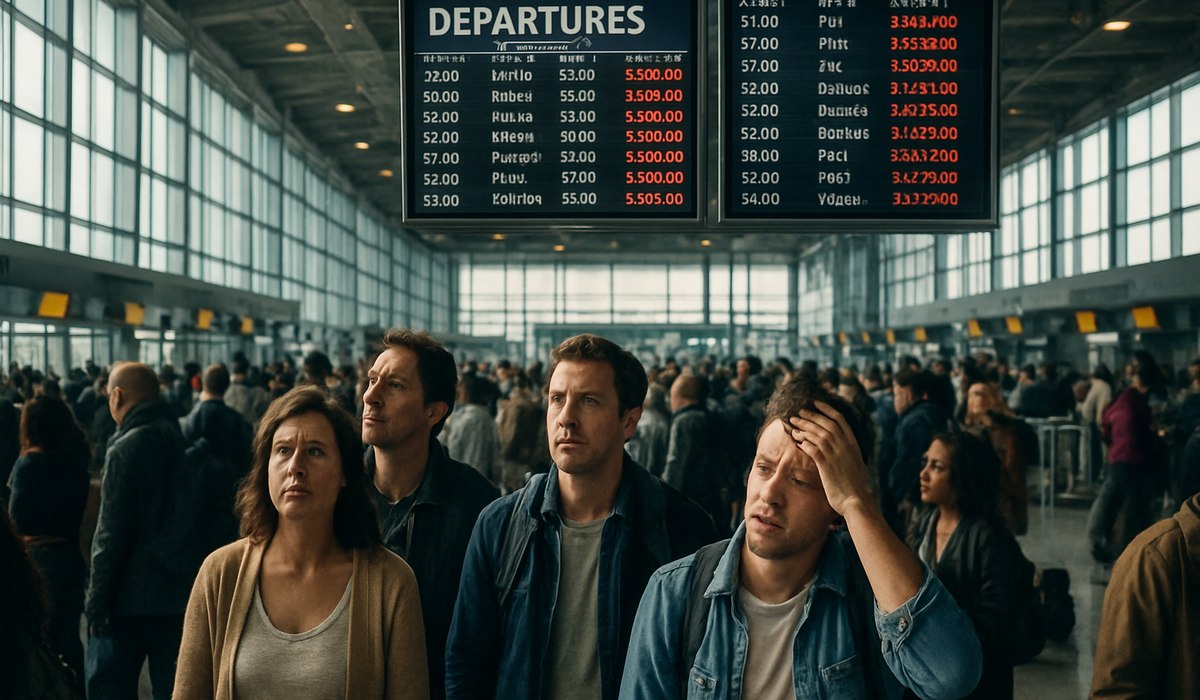
Image generated by AI
Spring Travel Season Derailed: Miami International Airport Descends Into Operational Chaos
Miami International Airport plunged into widespread operational chaos on April 6, 2026, as cascading delays disrupted 265 flights and forced nine cancellations across critical domestic and transatlantic corridors. The Miami flight chaos rippled through networks serving major hubs including New York, Chicago, Dallas, and Los Angeles, while transatlantic services to London experienced extended ground and airborne holding delays. Peak spring travel season collided with weather-related strain and staffing constraints already stretching airline operations nationwide, transforming what should have been routine Sunday travel into a nightmare for tens of thousands of passengers.
Widespread Backlog Hits Major U.S. and Transatlantic Hubs
The April 6 disruption at Miami International Airport struck during peak spring travel demand, compounding operational pressures already affecting major carrier networks across the continent. Flight-tracking data revealed delays affecting both short-haul domestic services and long-haul international operations, indicating network-wide strain rather than isolated disruptions to single carriers or markets.
American Airlines, United Airlines, and budget carrier Frontier Airlines bore the heaviest impact, though multiple international operators also reported significant schedule deterioration. Delays radiated along core corridors connecting Miami to New York area airports, Chicago O'Hare, Dallas Fort Worth, and Los Angeles International. Transatlantic service to London Heathrow and other European gateways showed extended departure and arrival sequences, compounding connection challenges for passengers traveling beyond Miami.
Industry analysis suggests the Miami disruption reflected broader network strain originating at upstream hubs. Chicago O'Hare, Dallas Fort Worth, and Los Angeles International had reported thousands of delays and hundreds of cancellations since April 1. Aircraft and crews already running behind schedule at these hubs migrated southbound, creating cascading operational bottlenecks in South Florida. Airlines attempted preserving schedule integrity by operating numerous services significantly behind plan rather than issuing outright cancellations, a strategy that kept aircraft available for rerouting while extending passenger journey times substantially.
American, United, Frontier Most Affected by Miami Disruptions
American Airlines operates a dense hub-and-spoke network through Miami connecting domestic and Latin American markets with European services. The carrier, already contending with elevated delay statistics at Dallas, Chicago, and New York hubs during spring season, mirrored those pressures southward. Multiple American departures to New York and Chicago posted substantial delays exceeding four hours, affecting both business and leisure passengers during peak weekend travel.
United Airlines faced similar cascading knock-on effects despite Miami not serving as a primary United hub. The carrier's Chicago and Houston-anchored operations fed delays into Miami services linking South Florida with Chicago, New York, and other major domestic markets. When severe weather or airspace constraints struck core hubs, the ripple effects propagated through connecting-passenger networks within hours.
Frontier Airlines, dependent on aggressive aircraft utilization to maintain low-fare economics, appeared prominently in Miami delay statistics. Low-cost carriers operate minimal turnaround buffers between flights, meaning morning delays quickly snowball into multi-hour afternoon and evening slippages. Industry analysts noted that even single-hour morning delays cascaded into evening departure delays of three to five hours as crews and aircraft chased schedules.
Other carriers including Southwest Airlines, Delta Air Lines, and multiple international operators also contended with substantial delays, though at lower absolute volumes than the three primary affected carriers. The pattern remained consistent across the industry: once weather systems, staffing constraints, or airspace restrictions slowed aircraft flow, recovery demanded many hours, particularly when planes and crews held commitments across multiple long-sector routes.
Network Strain: How Other Hub Delays Cascaded to South Florida
The April 6 Miami flight chaos didn't originate exclusively in Florida. Rather, it represented the latest manifestation of operational strain spreading across the North American aviation network since early April. Days of disruption at Chicago O'Hare, Dallas Fort Worth, and Los Angeles International created cascading bottlenecks affecting Miami operations.
Aircraft scheduled for Miami-based service rotations became delayed at upstream locations, compressing scheduled turnaround times and forcing carriers to operate subsequent legs behind plan. Crews similarly became misaligned with their assigned rotations, creating mandatory rest-period complications that further compressed schedule recovery windows. Once misalignment exceeds crew fatigue regulations, airlines must position fresh crew members, adding hours to delay recovery.
The Miami snarl demonstrated how interconnected modern airline networks have become. No major airport operates in isolation; disruptions anywhere within a carrier's domestic or international network propagate rapidly through connecting services. Spring weather patterns including thunderstorm systems crossing the continental United States, combined with staffing shortages affecting ground operations and air traffic control facilities, created perfect conditions for network-wide performance deterioration.
Tracking data available through FlightAware provided real-time visibility into delay propagation, allowing industry analysts to trace specific aircraft and crew rotations backward through the network to identify primary disruption sources. This analysis confirmed that Miami's April 6 disruption reflected systemic network strain rather than localized airport-specific operational failures.
What Passengers Can Expect: Schedule Recovery and Connections
Passengers traveling through Miami on April 6 and into April 7 faced extended journey times as airlines worked through accumulated delays and rerouted passengers across available capacity. Schedule recovery at major airports typically requires 24 to 48 hours following operational disruptions of this magnitude, though individual passenger experiences varied substantially based on specific routing and airline responses.
Passengers with connections faced the greatest complications. Missed connections to Chicago, New York, Dallas, and Los Angeles required rebooking across available flights, many themselves delayed. Transatlantic passengers missing connections to European hubs faced overnight layovers in Miami or rerouting through alternative gateways, compounding travel disruption for those attempting to meet specific European arrival windows.
Airlines implemented various recovery strategies including equipment substitution, crew repositioning, and schedule adjustments designed to return operations to normal parameters within 48 hours. American Airlines, given its Miami hub significance, prioritized restoring transatlantic service first, as these long-haul operations require careful crew rest planning and cannot simply be rescheduled to adjacent days without substantial operational complexity. United and Frontier focused on domestic network recovery, attempting to clear accumulated demand within existing fleet parameters.
Passengers entitled to airline compensation under U.S. Department of Transportation regulations should document flight delays exceeding three hours and flight cancellations regardless of cause. The U.S. Department of Transportation provides detailed guidance on passenger rights including meal and lodging reimbursement and rebooking obligations.
Traveler Action Checklist
-
Check your flight status immediately using FlightAware or your airline's official app before heading to Miami International Airport.
-
Contact your airline directly via phone or app for rebooking options if your flight was cancelled or delayed beyond your tolerance window.
-
Document all expenses incurred due to delays or cancellations, including meals, lodging, and ground transportation, with receipts for compensation claims.
-
Review Department of Transportation passenger rights at transportation.gov/airconsumer to understand your entitlements.
-
Confirm connection flights are still scheduled before boarding Miami flights, as cascading delays may affect onward service.
-
Monitor advisories through the FAA at faa.gov for updated operational status and expected recovery timelines.
-
File compensation claims within appropriate timeframes with your airline, typically 30 to 60 days after travel, including detailed documentation.
-
Request meal vouchers and accommodation from your airline if delayed overnight, rather than paying out-of
Disclaimer
This article is for informational and educational purposes only. It does not constitute legal, financial, or professional advice. While we strive to provide accurate and up-to-date information, travel policies, regulations, and conditions change rapidly. Always verify information with official sources before making travel decisions. Nomad Lawyer makes no representations about the accuracy, reliability, completeness, or suitability of the information provided. Readers should consult qualified professionals for advice specific to their circumstances. The views expressed in this article are those of the author and do not necessarily reflect the views of Nomad Lawyer.
Preeti Gunjan
Contributor & Community Manager
A passionate traveller and community builder. Preeti helps grow the Nomad Lawyer community, fostering engagement and bringing the reader experience to life.
Learn more about our team →