
Mass Delays Atlanta Hub Cascades Across North American Routes April 2026
Mass delays Atlanta on April 14, 2026 disrupted 225 flights and canceled 39 services at Hartsfield-Jackson International Airport, cascading travel chaos across North America and international networks connecting Canada, Europe, and Asia.

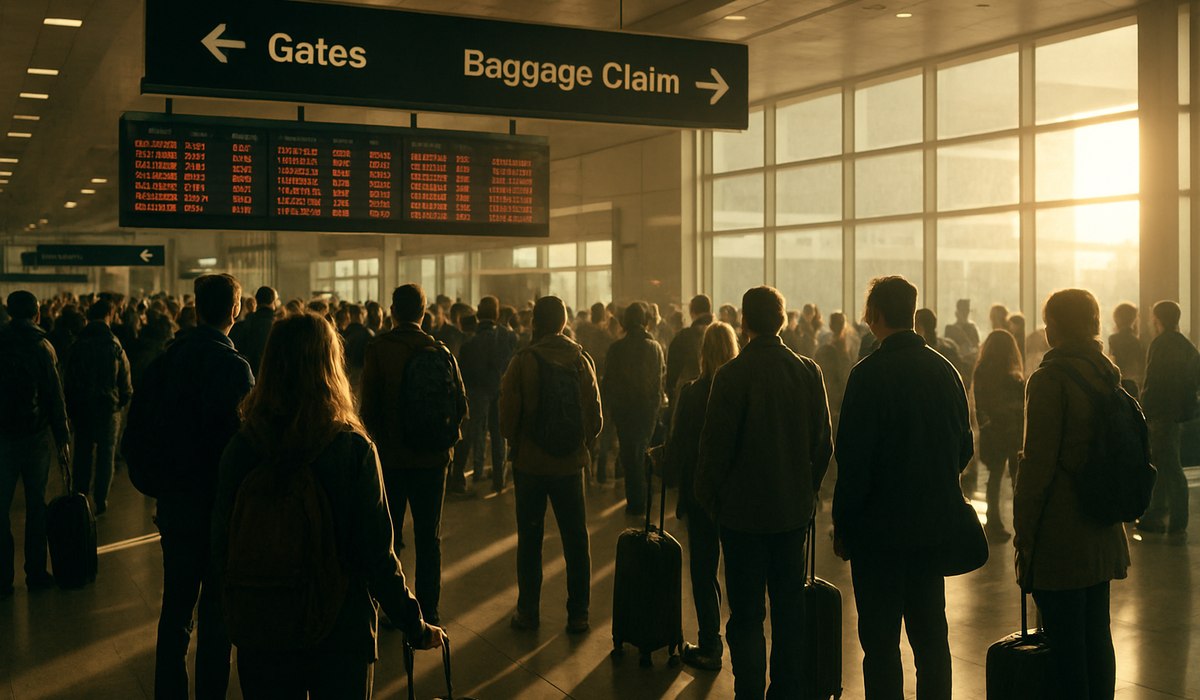
Image generated by AI
Hartsfield-Jackson Grinds to Halt as Hundreds Face Stranded Status
Hartsfield-Jackson Atlanta International Airport experienced severe operational disruptions on April 14, 2026, affecting hundreds of passengers as mass delays Atlanta spread across the world's busiest aviation hub. The airport disruption resulted in 225 delayed flights and 39 cancellations across multiple carriers, creating a cascading effect that reached international gateways in Toronto, London, Abu Dhabi, and throughout Asia. Delta Air Lines, Southwest Airlines, United Airlines, and regional partners all reported significant schedule impacts as the hub-and-spoke vulnerability became starkly apparent. This single-day snarl at Atlanta illustrated how concentrated flight operations at major hubs can rapidly transform localized problems into global travel chaos within hours.
Hundreds Stranded as Atlanta Hub Grinds to Halt
The scale of disruption at Hartsfield-Jackson caught thousands of travelers off-guard on April 14. Gate areas filled beyond capacity as passengers sought rebooking assistance, while customer service desks faced overwhelming queues that extended through terminal corridors. Airlines struggled to manage seat inventory across their networks, with high load factors limiting rebooking options on same-day flights. Many travelers spent unexpected nights in Atlanta hotels as aircraft reached crew-duty limits and missed overseas slot times. The human impact extended beyond mere inconvenience—passengers missed important meetings, connections, and family events as the operational strain persisted through evening departures.
Delta's Network Effect: How One Hub Disrupted Global Routes
Delta Air Lines operates its largest hub at Atlanta, meaning disruptions there immediately reverberate across its domestic and international network. When aircraft and crews fell out of position on April 14, the cascading effect spread to flights departing for Toronto, Boston, New York, and numerous European cities. Codeshare agreements with partners including Korean Air meant that delays to Atlanta feeders directly impacted long-haul services marketed under multiple airline brands. Delta's network model—where most passengers connect through Atlanta rather than flying point-to-point—amplified the impact of each missed departure. Recovery from such disruptions typically requires 24-48 hours as aircraft and crews work to reposition back into schedule compliance across the carrier's global operation. Understanding this concentration risk is crucial for nomadic professionals who frequently traverse Delta's network hubs.
Codeshare Partners and International Connections in the Crossfire
When mass delays Atlanta occur, codeshare partners feel immediate pressure on their international schedules. Korean Air, which operates services between Atlanta and Asia through Delta partnerships, watched as delayed domestic connections forced passengers to miss evening transpacific departures. Similarly, European carriers marketing connecting flights through Atlanta found their evening transatlantic windows closing as domestic feeders arrived late. Toronto Pearson, London's major airports, and Abu Dhabi all experienced knock-on effects as passengers from delayed Atlanta flights missed international slots. Some travelers were forced onto reroutes through Chicago, Dallas, or New York—adding 2-4 hours to journeys and requiring separate hotel arrangements. Passengers heading to South and East Asia faced extended layovers and missed connections, transforming simple itineraries into complex rebooking challenges.
The Hub-and-Spoke Vulnerability Exposed
The April 14 disruption at Hartsfield-Jackson highlighted structural weakness in modern aviation networks. Hub-and-spoke systems concentrate traffic at specific airports, creating efficiency for airlines but fragility for the network. When modest operational problems—mechanical delays, crew scheduling hiccups, or weather—occur at major hubs, they propagate rapidly to hundreds of downstream flights. Unlike distributed point-to-point networks, hub disruptions cannot be absorbed through alternate routing; passengers must wait for the hub to recover or accept lengthy detours. The airport snarl affected not just the immediate airport but also crew positioning worldwide, aircraft scheduling across continents, and international slot availability at gateway cities. Airlines have recognized this vulnerability yet continue consolidating operations at major hubs due to cost efficiency and network control advantages.
Real-Time Flight Tracking and Status Updates
Passengers seeking current information on April 14 disruptions relied heavily on flight-tracking services. FlightAware and similar platforms provided minute-by-minute updates showing departure time revisions, cancellations, and ground hold information. The FAA's traffic management system showed congestion building across multiple departure banks as aircraft and crew imbalances created cascading delays. Airlines updated boarding information repeatedly as schedules shifted to accommodate aircraft positioning and crew rotations. Some passengers discovered cancellations or rebooking notifications only after arriving at the airport, highlighting the importance of monitoring official airline channels alongside third-party tracking tools. For international passengers, status updates were crucial for understanding connection viability and making rebooking decisions.
Passenger Rights and Compensation Eligibility
Under U.S. Department of Transportation regulations, passengers on affected flights may be eligible for compensation depending on flight duration and delay duration. The U.S. DOT's airline consumer rights guidelines require carriers to provide:
- Meals and refreshments during extended delays
- Hotel accommodations for overnight delays (if rebooking next day)
- Ground transportation between airport and hotel
- Rebooking on next available flight or full refund
International passengers on U.S.-EU routes may qualify for additional compensation under EU Regulation 261/2004 if delays exceeded three hours at destination. Passengers should document all expenses and contact airlines within specified timeframes to file claims. Many passengers on April 14 flights were unaware of these rights, highlighting the importance of traveler education during irregular operations.
Traveler Action Checklist
If you experience mass delays Atlanta or disruptions at major hubs, follow these numbered steps to protect yourself and your travel plans:
- Immediately notify your airline of any delays affecting your journey—do not wait for airline announcements
- Document all expenses including meals, transportation, and accommodations with receipts and photos
- Request written delay confirmation from your airline for insurance and compensation claims
- Check real-time status via FlightAware or official airline apps rather than relying on airport displays alone
- Explore alternative routing through different hubs (Chicago, Dallas, New York) if original connection appears unviable
- Contact travel insurance provider if you hold coverage for trip interruption or delay protection
- File DOT complaints at transportation.gov if your airline fails to provide required accommodation or meals
- Preserve all communication with airlines in writing (emails, online chat, not verbal promises)
- Know your codeshare rights—if flying partner carriers, both airlines may share rebooking responsibility
- Monitor crew duty limitations that may prevent aircraft return to schedule before next operational day
Key Data Table: April 14 Disruption Overview
| Metric | Value | Impact |
|---|---|---|
| Delayed Flights | 225 | Affected 5,000-7,000 passengers |
| Canceled Flights | 39 | Additional rebooking burden |
| Primary Hub | Hartsfield-Jackson ATL | World's busiest airport |
| Major Carrier | Delta Air Lines | Largest Atlanta hub operator |
| International Routes Affected | 12+ | Toronto, London, Abu Dhabi, Asia gateways |
| Regional Carriers Impacted | 8+ | Southwest, United, Korean Air, others |
| Peak Delay Duration | 4-6 hours | Evening departures most affected |
| Overnight Stranded | 1,500+ | Atlanta hotel occupancy surge |
| Recovery Timeline | 24-48 hours | Crew and aircraft repositioning needed |
What This Means for Travelers
The April 14 mass delays Atlanta incident underscores critical vulnerabilities for business travelers and digital nomads relying on consistent air service. Professionals working across North American and European time zones depend
Disclaimer
This article is for informational and educational purposes only. It does not constitute legal, financial, or professional advice. While we strive to provide accurate and up-to-date information, travel policies, regulations, and conditions change rapidly. Always verify information with official sources before making travel decisions. Nomad Lawyer makes no representations about the accuracy, reliability, completeness, or suitability of the information provided. Readers should consult qualified professionals for advice specific to their circumstances. The views expressed in this article are those of the author and do not necessarily reflect the views of Nomad Lawyer.
Raushan Kumar
Founder & Lead Developer
Full-stack developer with 11+ years of experience and a passionate traveller. Raushan built Nomad Lawyer from the ground up with a vision to create the best travel and law experience on the web.
Learn more about our team →