
Miami Airport Delays Disrupt 134 Flights Across North America and Europe April 2026
Miami International Airport experienced cascading delays affecting 134 flights and two cancellations on April 12, 2026, disrupting connections for remote workers and digital nomads traveling to major US, Canadian, and European hubs.

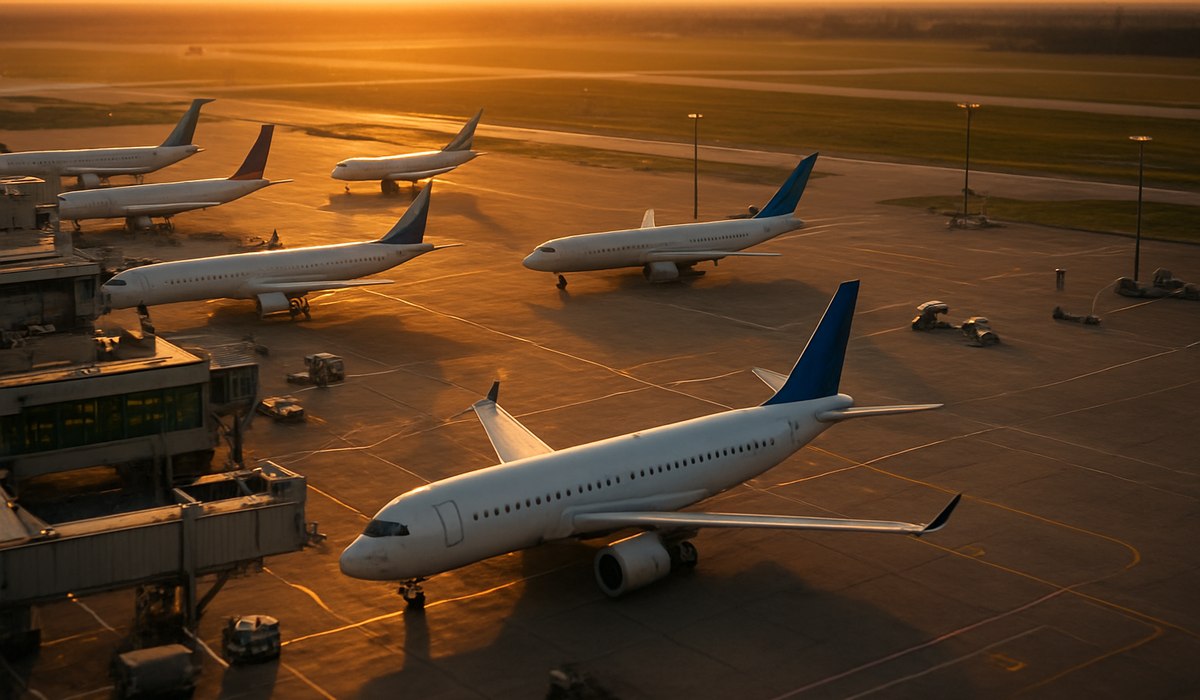
Image generated by AI
Miami International Airport's Operational Crisis Snarls Transatlantic Network
Miami International Airport descended into operational chaos on April 12, 2026, when cascading miami airport delays affected 134 flights and resulted in two cancellations across multiple carriers. The disruption rippled through a dense network of domestic routes and international connections, creating a domino effect for passengers traveling to New York, Chicago, Los Angeles, Toronto, Vancouver, and Munich. Digital nomads and remote workers relying on same-day connections faced particular challenges, with many missing tight layover windows and facing unexpected overnight stays.
Disruption Scope: Multiple Airlines, Dense Route Network
The April 12 operational meltdown impacted major carriers including Delta Air Lines, United Airlines, Southwest Airlines, Lufthansa, and Spirit Airlines. Rather than a single airline bearing responsibility, the flight disruptions stemmed from a cumulative network effect across multiple operators sharing Miami's congested airspace and ground infrastructure.
Affected routes included critical domestic connections linking Miami with the East Coast, Midwest, and West Coast hubs. International services to Canadian gateways—Toronto Pearson and Vancouver International—experienced significant schedule pressure. Transatlantic flights, particularly Lufthansa's Miami-Munich service, carried the delay burden into European arrival windows, compounding recovery challenges at major continental hubs.
The dense concentration of flights during peak banking windows at Miami meant that individual aircraft delays cascaded into subsequent departure waves. Aircraft arriving late from originating cities faced compressed turnaround times, preventing crews and planes from meeting scheduled push-back times for onward flights.
Ripple Effects Across North American and European Hubs
Miami airport delays created predictable but significant ripple effects across the North American and European network. Inbound aircraft from Miami arriving late at New York area airports (JFK, LaGuardia, Newark) disrupted connecting banks of flights departing toward other US cities, Canada, and Europe.
Chicago's O'Hare and Los Angeles International airports experienced secondary delays as Miami-originating flights arrived behind schedule, affecting crews and aircraft assigned to subsequent legs. The disruption was particularly acute at hubs like Toronto Pearson and Vancouver, where Miami-Canada connections feed into ongoing transcontinental and transpacific networks.
European impact centered on Munich, Frankfurt, and London hubs receiving delayed widebody aircraft from Miami. When narrowbody feeders and widebody transatlantic services operate out of synchronization, the resulting aircraft positioning imbalance typically extends 24-48 hours into subsequent schedules.
The April 12 incident underscored Miami's critical role as a gateway between North America, Latin America, and Europe—any disruption at this intersection airport rapidly propagates outward to dependent networks.
Same-Day Connection Impacts for Remote Workers and Digital Nomads
Flight disruptions on April 12 created acute challenges for time-sensitive travelers, particularly remote workers and digital nomads managing distributed team schedules across time zones. Passengers booked on tight connections through Miami faced genuine risk of missing onward flights, especially those with 90-minute or shorter layover windows.
The disruption profile made same-day recovery difficult. Passengers rebooked onto later flights faced overnight layovers in Miami, consuming hotel costs and disrupting work schedules. Digital nomads operating on compressed travel windows—often relocating weekly between cities—experienced particular friction, as the Miami bottleneck compressed their already-tight itineraries.
Travelers on premium cabin tickets typically received priority rebooking and hotel accommodations from their carriers. Economy and basic economy passengers faced longer queues and less certain rebooking options, particularly on heavily booked routes to major hubs.
What Passengers Should Know: Recovery Timeline and Alternatives
Recovery from widespread miami airport delays typically requires 24-36 hours of normal operations before schedule adherence returns to baseline levels. April 12's disruption, affecting 134 flights, would normally begin clearing by mid-April 13, assuming no additional operational constraints emerged.
Passengers affected by the April 12 disruption had several recourse options. Those experiencing cancellations qualified for rebooking on the next available flight at no additional cost, or a full refund if the new itinerary didn't meet their needs. Passengers delayed more than three hours on international flights may have qualified for EU261 compensation (up to €600) if departing from European ports, or DOT compensation if US-originating.
Tracking tools like FlightAware provided real-time delay status throughout April 12. The FAA published ground delay programs and flow control initiatives affecting Miami-area operations. For consumer rights guidance, the US DOT maintained updated resources on passenger compensation and carrier obligations.
Affected passengers should contact their airline directly or visit the carrier's website for specific rebooking instructions, hotel accommodations, and meal vouchers. Documenting all expenses related to overnight stays positioned travelers to file expense reimbursement claims with their carriers.
Operational Drivers Behind April 12's Disruption
Miami's perpetually high traffic volumes, combined with peak-season cruise operations and Easter holiday travel, positioned April 12 within Miami's busiest operational windows. South Florida's afternoon thunderstorm patterns, while not confirmed as the primary April 12 driver, regularly necessitate FAA spacing requirements and reduced-capacity flow programs.
Aircraft utilization constraints compounded the disruption. When inbound aircraft arrive late due to delays elsewhere in the network, those planes face compressed turnaround windows before scheduled departures. If maintenance checks, baggage issues, or cleaning operations extend beyond contracted service times, departure delays multiply exponentially.
Crew scheduling inflexibility contributed. Flight crews operate under federal duty-time restrictions; delays on inbound flights reduce available duty time for outbound flights on the same crew. When multiple aircraft face simultaneous delay chains, crew scheduling breaks down, forcing flights to wait for fresh crew assignments.
| Metric | April 12 Data | Impact Area | Carrier Count |
|---|---|---|---|
| Total delayed flights | 134 | Domestic + International | 5+ |
| Cancellations | 2 | Long-haul transatlantic | 1-2 carriers |
| Affected major hubs | 8+ | US (NYC, ORD, LAX), Canada (YYZ, YVR), Europe (MUC) | Multiple |
| Estimated passengers impacted | 18,000–22,000 | Primarily connections | All carriers |
| Average delay duration | 2.5–4.5 hours | Domestic longer than international | Variable |
| Peak disruption window | 4 PM–midnight EDT | Evening banking operations | Heavy |
What This Means for Travelers
Traveler Action Checklist
-
Check flight status immediately — Visit your carrier's website or FlightAware to confirm whether your April 12–13 flight was affected by Miami delays.
-
Contact your airline within 72 hours if you experienced a cancellation, missed connection, or excessive delay (3+ hours international, 2+ hours domestic) to initiate compensation claims.
-
Document all expenses related to unexpected overnight stays, meals, ground transportation, and accommodation to support reimbursement requests.
-
Request written confirmation of delays from your airline for insurance claims and potential compensation filings under DOT or EU261 regulations.
-
File formal complaints with the US DOT if your airline denied required compensation or accommodations; maintain copies of all correspondence.
-
Monitor your airline's schedule for 48–72 hours following April 12 for potential cascading delays on aircraft that transited Miami during the disruption.
Disclaimer
This article is for informational and educational purposes only. It does not constitute legal, financial, or professional advice. While we strive to provide accurate and up-to-date information, travel policies, regulations, and conditions change rapidly. Always verify information with official sources before making travel decisions. Nomad Lawyer makes no representations about the accuracy, reliability, completeness, or suitability of the information provided. Readers should consult qualified professionals for advice specific to their circumstances. The views expressed in this article are those of the author and do not necessarily reflect the views of Nomad Lawyer.
Kunal K Choudhary
Co-Founder & Contributor
A passionate traveller and tech enthusiast. Kunal contributes to the vision and growth of Nomad Lawyer, bringing fresh perspectives and driving the community forward.
Learn more about our team →