
Mexico Tourism Faces New Travel Cost Pressure as Cancún Fuel Prices Climb in 2026
Mexico Tourism Faces New Travel Cost Pressure as Cancún Fuel Prices Climb in 2026

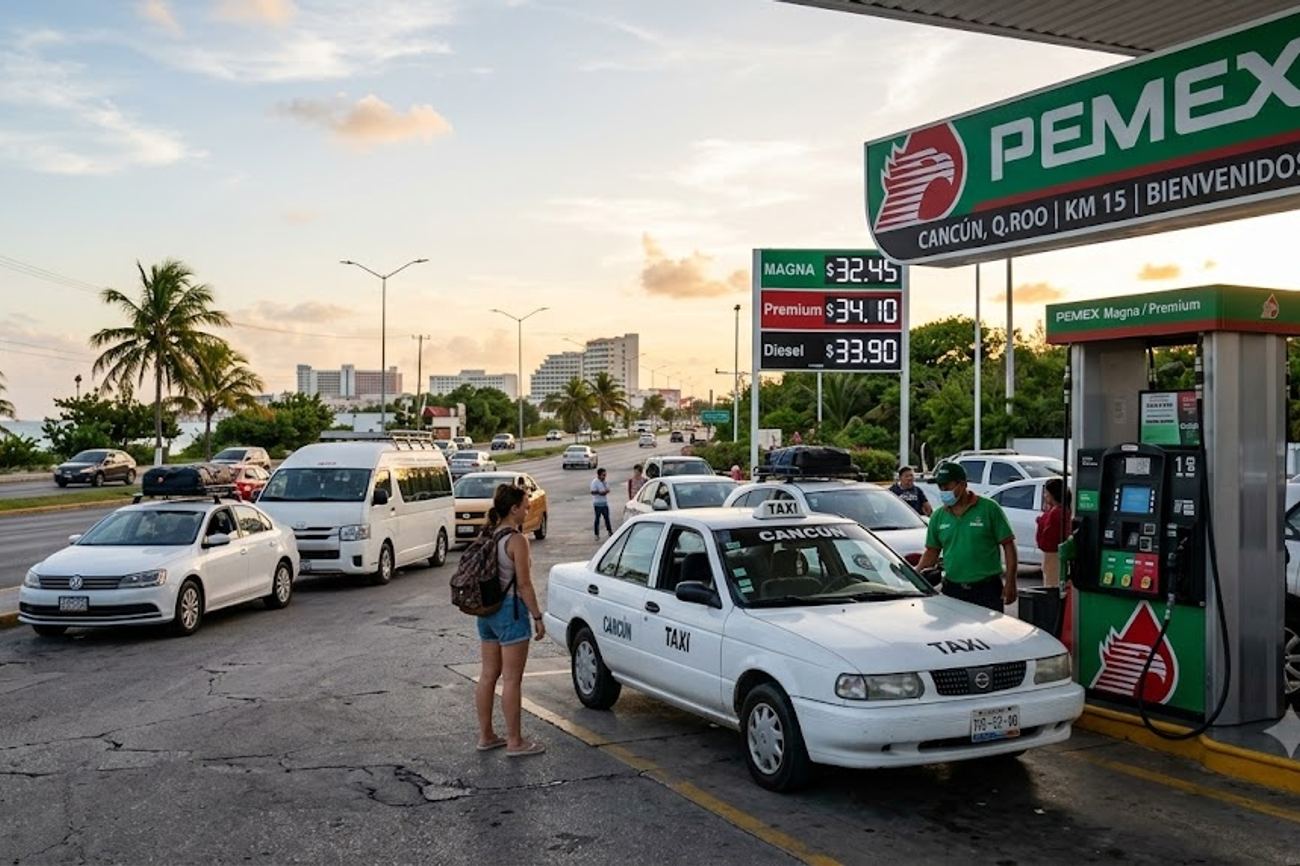
Image generated by AI
A family arriving at Cancún International Airport in 2026 discovers that the private transfer they pre-booked has added a last-minute fuel surcharge, while those opting for rental cars find that the cost of exploring the Yucatan Peninsula has surged due to rising petrol prices. This shift transforms the simple act of choosing a vehicle into a strategic financial decision, as fuel costs now dictate the feasibility of day trips to Chichén Itzá or Tulum.
The 2026 Fuel Crisis: Impact on North American Tourism
The travel landscape in 2026 is being reshaped by volatile energy costs, creating a ripple effect that extends from the pump to the hotel bill. In Cancún, the rise in fuel prices is directly inflating the cost of every local movement, whether by taxi, bus, or private shuttle. This trend is not isolated to Mexico; it is a systemic issue across North America where the cost of transport is no longer a static line item but a fluctuating variable.
For the tourism sector, this means operational costs for everything from hotel laundry services to food supply chains are climbing. When diesel and petrol prices spike, operators face a choice: absorb the loss, which threatens their margins, or pass the cost to the consumer via "fuel surcharges." For the passenger, this results in a fragmented pricing model where the final cost of a holiday can shift between the time of booking and the time of arrival.
Regional Cost Disparities and Data Analysis
The disparity in fuel costs across the United States illustrates why national averages are often misleading for travel budgeting. According to the US Energy Information Administration, the national average for regular petrol stood at US$4.319 per US gallon on 14 September 2026. However, this figure masks extreme regional volatility.
The following data highlights the financial gap between two major tourism hubs:
- California: Average petrol price of US$5.827 per gallon.
- Texas: Average petrol price of US$3.806 per gallon.
To put this into perspective, a 1,000-mile journey in a vehicle averaging 25 miles per gallon requires 40 gallons of fuel. In California, this trip costs US$233.08; in Texas, the exact same distance costs US$152.24. This creates a price gap of US$80.84 for a single journey.
Beyond petrol, the cost of diesel—essential for airport transfers and sightseeing coaches—averaged US$6.285 per gallon nationally on 14 September. Because diesel powers the backbone of the tour industry, these costs inevitably leak into the price of package tours and shuttle services.
Your Rights as a Passenger
When fuel prices trigger sudden price hikes or cancellations, passengers often find themselves in a legal grey area. It is essential to distinguish between a "fuel surcharge" and a "price increase" after a contract has been signed.
1. Contractual Price Protection If you have a confirmed booking with a fixed price, most consumer protection laws prevent a company from unilaterally increasing the price after payment. If a tour operator in the US or Canada attempts to add a fuel surcharge to a pre-paid package, you should refer to your terms and conditions. Under US Department of Transportation (DOT) guidelines, while airlines can change fares, once a ticket is issued, the price is generally locked. You can verify your specific protections via the US DOT Air Consumer Protection page.
2. Package Holiday Regulations In Canada, where travel-tour prices rose 26.1% year-on-year in August 2026, the introduction of jet-fuel surcharges has been common. If you are traveling from the UK or EU to North America, you may be protected by the Package Travel Regulations. These regulations generally limit the amount a provider can increase the price of a package after booking (often capped at 10% or requiring a right to cancel without penalty if the increase is significant).
3. Refund Entitlements If a transport provider cancels a service due to "unprofitability" caused by fuel costs, this is generally not considered an "extraordinary circumstance." Under frameworks like EU261/2004 (for flights departing the EU), you would still be entitled to a full refund or re-routing. For road-based disruptions, check the UK CAA guidelines for standards on passenger care and reimbursement.
Rebooking Strategy and Alternatives
With fuel costs now acting as a primary driver of destination choice, passengers must pivot their logistics strategy to avoid budget blowouts.
Shift to Hub-and-Spoke Travel Instead of a multi-city road trip (which maximizes fuel exposure), adopt a "hub" strategy. Book a hotel within walking distance of major attractions or in a city with robust public transit. This eliminates the need for a rental car and removes the risk of fluctuating pump prices.
Vehicle Selection If a car is unavoidable, prioritize hybrid or electric vehicles (EVs). While the daily rental rate for an EV may be higher, the elimination of the US$5.827 per gallon California-style fuel bill often results in a lower total cost of ownership for the duration of the trip.
Alternative Route Planning Use tools like FlightAware or Flightradar24 to find the most direct flights to your final destination, reducing the need for long-distance ground transfers. If you are seeing massive spikes in package prices, consider "unbundling" your trip—booking flights and hotels separately to avoid the blanket fuel surcharges often applied to all-inclusive packages.
Competitor Comparison In regions like Cancún, compare the cost of official airport taxis versus app-based rideshares or pre-arranged shuttle services. Often, official taxis have fixed rates that may not fluctuate as rapidly as private transfers that use dynamic fuel-linked pricing.
FAQ: North American Travel Costs 2026
Am I required to pay a fuel surcharge on a pre-paid trip? Generally, no. If your booking was confirmed and paid at a fixed price, a provider cannot typically add surcharges unless the contract explicitly allows for fuel-linked adjustments. Review your booking terms and dispute unauthorized charges.
How much more does it cost to drive in California versus Texas? Based on September 2026 data, petrol in California is approximately 53% more expensive than in Texas. For a 1,000-mile trip, this results in a difference of roughly US$80.84 in fuel costs alone.
Can I get a refund if my tour is cancelled due to fuel costs? Yes. A company's inability to afford fuel is a commercial risk, not a legal excuse to deny a refund. You are entitled to a full refund of the prepaid amount if the provider cancels the service.
What is the best way to avoid high transport costs in Cancún? Avoid long-distance private transfers. Opt for hotels located in central zones to minimize transit, use shared shuttle services, or utilize public buses which are less susceptible to individual passenger fuel surcharges.
Budget for the pump, not just the pillow, or your 2026 vacation may cost significantly more than the booking screen suggested.
Related Travel Guides
- United States Aligns With Global Travel Markets As Tourism Growth Slows Amid Middle East Conflict And Rising Costs
- Japan Advances With South Korea and Others as Cherry Blossom Tourism Shapes Spring Travel
- Brazil Travel Soars As National Survey Tracks 22500 Visitors Across 50 Destinations To Shape Tourism Future
Disclaimer
This article is for informational and educational purposes only. It does not constitute legal, financial, or professional advice. While we strive to provide accurate and up-to-date information, travel policies, regulations, and conditions change rapidly. Always verify information with official sources before making travel decisions. Nomad Lawyer makes no representations about the accuracy, reliability, completeness, or suitability of the information provided. Readers should consult qualified professionals for advice specific to their circumstances. The views expressed in this article are those of the author and do not necessarily reflect the views of Nomad Lawyer.
Naina Thakur
Contributor & Travel Specialist
Travel enthusiast and legal writer covering visa regulations, responsible tourism, and cultural journeys across global destinations.
Learn more about our team →