
Maui And The Big Island Travellers Now Get Better Options As United Airlines Travel Waiver Eases Hurricane Lowell Travel Disruption
Maui And The Big Island Travellers Now Get Better Options As United Airlines Travel Waiver Eases Hurricane Lowell Travel Disruption. Latest travel news, updates, and expert analysis.

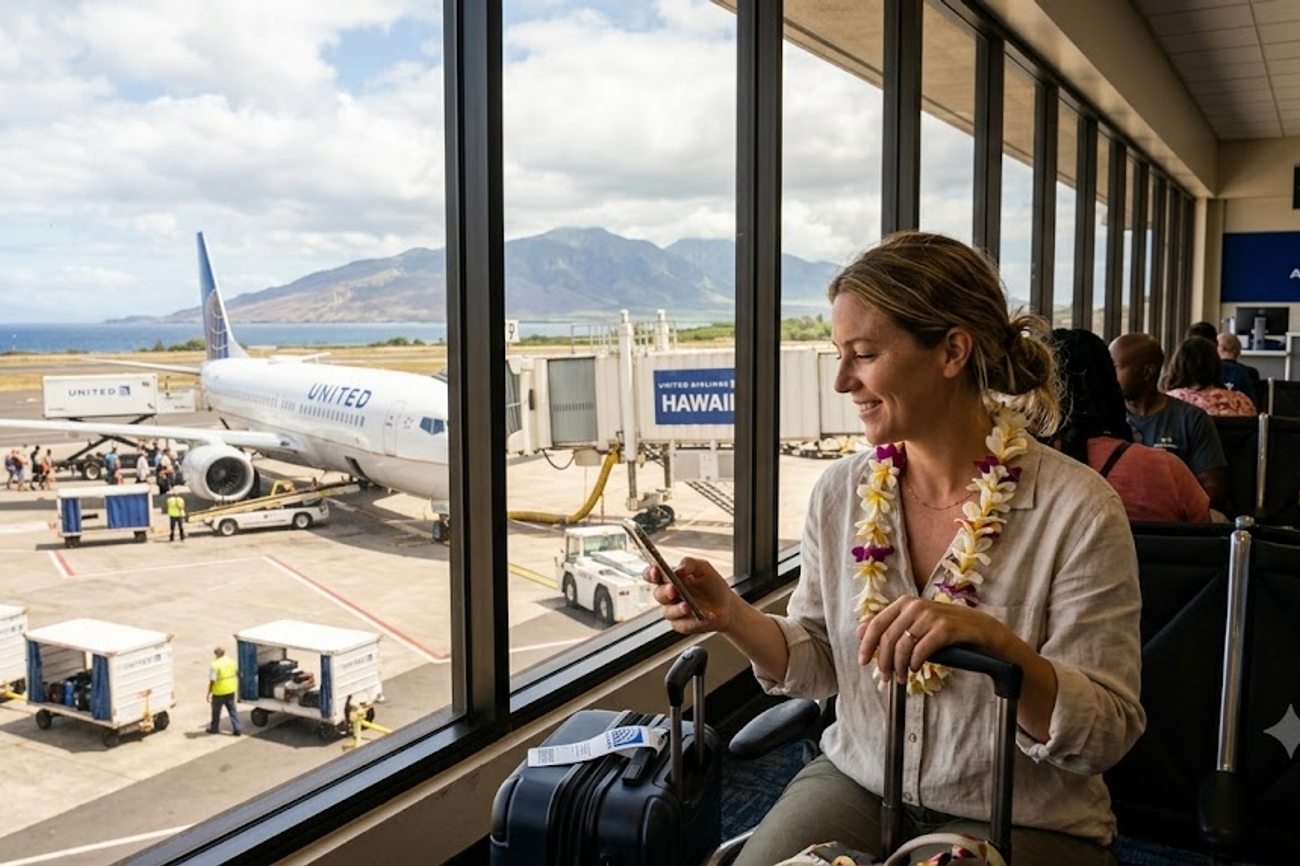
Image generated by AI
While Hurricane Lowell whipped an 80 mph wind gust across the volcanic heights of Kula and dropped nearly a foot of tropical rain along West Maui's mountain crests, life on the islands has quickly pivoted from storm watch to thoughtful, localized reopening. Although United Airlines activated an official Travel Waiver covering eligible journeys through Līhuʻe Airport on Kauaʻi between 6 and 16 September 2026, visitors heading to Maui and Hawaii Island (the Big Island) face a markedly different reality. Instead of wide cancellations, travelers are discovering that arterial coastal highways have reopened and regional airports are operating normally, rewarding those who navigate the islands with hyper-local awareness and cultural respect.
Microclimates and Asymmetrical Recovery in the Wake of Hurricane Lowell
The passage of Hurricane Lowell, which approached the Hawaiian archipelago from the south before brushing closest on the night of 7 September, demonstrated the dramatic geographical diversity that defines island weather. While the storm’s northern edge generated peak gusts of 84 mph at Līhuʻe Airport—which restored commercial electrical power by 5:00 PM on 10 September—the meteorological footprint on Maui and the Big Island varied sharply by elevation and exposure, according to data from the National Weather Service.
On Maui, high-altitude mountain stations absorbed the brunt of the winds. Kula, situated on the slopes of Haleakalā, registered an 80 mph gust during the afternoon of 7 September, whereas Kahului Airport (OGG) on the central valley floor recorded a peak gust of 46 mph later that evening, with surrounding observation stations tracking gusts between 39 and 57 mph. Rain gauges reflected similarly localized patterns: West Wailuaiki Stream logged 11.83 inches across the 72-hour reporting period, while Pohaku Palaha recorded 7.96 inches, Puʻu Kukui measured 6.81 inches, Kahikinui received 6.03 inches, and the rain gauge near Hāna recorded 5.17 inches.
Across the ʻAlenuihāhā Channel on the Big Island, wind conditions remained mild, with Kona recording a peak gust of 42 mph in the early hours of 8 September. Precipitation centered heavily across windward eastern districts. Hilo stations recorded 5.50 and 5.55 inches over the 72-hour period, Pāhoa logged between 2.81 and 4.27 inches, Keaʻau measured 3.99 inches (with neighboring monitors between 3.56 and 3.74 inches), and Hilina Pali inside Hawaiʻi Volcanoes National Park received 5.02 inches.
Because United Airlines' published travel waiver specifically targets Līhuʻe rather than Kahului, Hilo, or Kona, travelers holding tickets into Maui or the Big Island must not assume automatic ticket waiver flexibility. Instead, their travel advantage stems directly from rapid municipal road repairs and uninterrupted air access.
What Makes Maui and the Big Island’s Island Geography Extraordinary
To visit the Hawaiian islands with an insider perspective is to understand that no single weather headline captures an entire island. The massive volcanic shields of Haleakalā on Maui and Mauna Kea and Mauna Loa on the Big Island create the most pronounced microclimates on Earth, blocking storm systems and creating radically distinct ecological zones just miles apart.
On Maui, while storm clouds drench the windward rainforests of the Road to Hāna, the leeward resort beaches of Kīhei, Wailea, and Kaʻanapali often bask under calm skies. Exploring Upcountry Maui reveals misty eucalyptus groves, organic protea flower farms, and heritage cattle ranches that feel a world away from the shoreline.
On the Big Island, that geographic contrast expands to continent-sized proportions. In a single two-hour drive along Saddle Road, a traveler can journey from the lush, rainbow-framed waterfalls and tropical banyan groves of Hilo, across high-altitude sub-alpine volcanic desert, and descend into the sun-drenched black lava fields of the Kohala Coast. Entering the rugged domain of National Park Service protected sanctuaries like Hawaiʻi Volcanoes National Park places visitors face-to-face with steam vents, ancient cinder cones, and the spiritual power of Pele, the Hawaiian deity of fire and volcanoes.
Visitor Insider Tips: Road Logistics, Flight Tracking, and Island Etiquette
- Maui Highway Navigation and Repair Zones: Access across Maui has been restored thanks to rapid roadwork by state transport crews. Honoapiʻilani Highway reopened to traffic near Ukumehame at milepost 13, where an undercut mountain-side lane lifted during peak surf; temporary single-lane night repairs took place on 10 September, with permanent structural work commencing the week of 14 September. Similarly, North Kīhei Road has reopened two full lanes following a 200-foot shoulder washout repair near mile marker 2. When commuting between West Maui hotels and Kahului Airport, allow an extra 30 to 45 minutes to navigate active roadwork safely.
- Big Island Leeward-Windward Strategy: If staying on the dry, sunny Kohala or Kona coasts, plan your day trips to Hilo and Volcano early in the morning. Eastern districts naturally receive afternoon tropical trade-wind showers. Check real-time road conditions before driving down Chain of Craters Road or exploring remote coastal trails in Puna and Pāhoa.
- Verify Ticket Specifics Before Calling: Remember that United's waiver policy applies to qualifying Līhuʻe travel through 16 September. If your flight arrives into Kahului, Kona, or Hilo, your reservation operates under standard ticketing rules unless individual delays occur. Check flight status directly via mobile airline apps before heading to the terminal.
- Practice Mālama and Cultural Reverence: Hawaiian culture is anchored in the concept of mālama ʻāina—caring for and nurturing the land. Stay strictly on marked trails, never cross safety barricades on recovering roads, and do not remove black volcanic rocks or sand from beaches. Respect local communities and neighborhood recovery zones with quiet humility.
- Sample Fresh Island Flavors: Fuel your island travels with authentic regional cuisine promoted by the Hawaii Tourism Authority. In Hilo, order a classic plate of hot loco moco (white rice topped with a savory hamburger patty, fried egg, and rich brown gravy) at a family-run drive-in. On Maui, stop at roadside farm stands in Kula for sweet mountain strawberries and fresh poke tossed with sea salt and crunchy sea asparagus.
Cultural and Environmental Context: Respecting Island Watersheds
Understanding island weather requires appreciating the ancient Hawaiian land division system known as the ahupuaʻa. These pie-shaped wedges of land extended from the volcanic mountaintops down through cloud forests and fertile agricultural valleys to the ocean reef. When a tropical cyclone like Hurricane Lowell passes offshore, the heavy precipitation falling on summits like Puʻu Kukui (6.81 inches) feeds the underground aquifers and mountain streams that sustain local agriculture and coastal taro patches.
However, modern infrastructure requires vigilance. Heavy runoff can cause localized ocean brown-water advisories as mountain soil washes into nearshore waters. Responsible travelers respect these advisories, staying out of the surf near river mouths for 48 hours following heavy rains to allow delicate coral reefs to clear. By embracing flexible pacing and honoring the natural rhythm of island restoration, visitors support the enduring ecological resilience of Hawaii's fragile island communities.
FAQ: Visiting Maui and the Big Island 2026
Does the United Airlines travel waiver cover flights into Maui or Kona? No. United Airlines' official Hurricane Lowell waiver specifically applies to eligible travel through Līhuʻe Airport on Kauaʻi through 16 September 2026. Flights into Kahului (Maui), Hilo, and Kona operate under regular ticket conditions.
Are the main roads open between central Maui and West Maui resorts? Yes. Honoapiʻilani Highway near Ukumehame (milepost 13) and North Kīhei Road near mile marker 2 are fully open to traffic, though travelers should budget extra time for active daytime maintenance zones.
Is it safe to visit Hawaiʻi Volcanoes National Park after the storm? Yes. The park is open, though heavy rainfall (5.02 inches recorded at Hilina Pali) can make backcountry trails muddy. Check at the Kīlauea Visitor Center for up-to-date trail conditions before setting out.
Did Hurricane Lowell cause widespread hotel or attraction closures on Maui? No. Aside from temporary trail and park closures during peak wind hours, resorts, dining establishments, and tour operators across Maui and the Big Island remain open and welcoming travelers.
When you respect the power of the Pacific and travel with patience, Hawaii’s dramatic post-storm beauty reveals an island chain more breathtaking than ever.
Related Travel Guides
Disclaimer
This article is for informational and educational purposes only. It does not constitute legal, financial, or professional advice. While we strive to provide accurate and up-to-date information, travel policies, regulations, and conditions change rapidly. Always verify information with official sources before making travel decisions. Nomad Lawyer makes no representations about the accuracy, reliability, completeness, or suitability of the information provided. Readers should consult qualified professionals for advice specific to their circumstances. The views expressed in this article are those of the author and do not necessarily reflect the views of Nomad Lawyer.
Raushan Kumar
Founder & Lead Developer
Full-stack developer with 11+ years of experience and a passionate traveller. Raushan built Nomad Lawyer from the ground up with a vision to create the best travel and law experience on the web.
Learn more about our team →