
Turkish Airlines Launches Bold Expansion With 10 Ultra-Long-Haul Routes Spanning Up to 22 Hours
Breaking airline news and aviation industry updates for 2026.

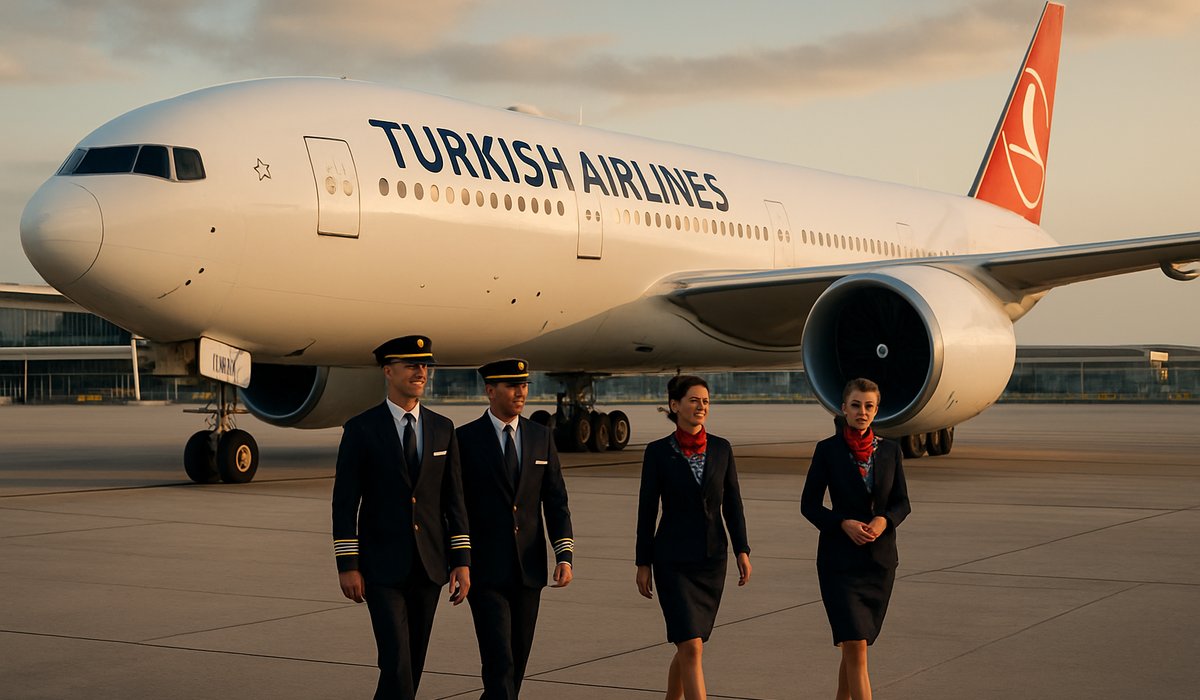
Image generated by AI
Turkish Airlines Launches Bold Expansion With 10 Ultra-Long-Haul Routes Spanning Up to 22 Hours
Star Alliance carrier positions itself as a global connectivity powerhouse with aggressive 2026 network strategy
Turkish Airlines is making a dramatic push into ultra-long-haul aviation, announcing the introduction of 10 new extended-range routes in 2026 that will see some flights exceed 22 hours of flight time. The carrier's aggressive expansion strategy underscores intensifying competition in the intercontinental travel market and positions the Istanbul-based airline among the world's most ambitious network operators.
Strategic Growth Amid Competitive Pressure
According to OAG Diio scheduling data, Turkish Airlines will operate the world's 13th-largest flight schedule globally between June 2026 and March 2027. More significantly, when measuring international services exclusively, the Star Alliance member will rank third worldwide—a substantial jump that reflects the airline's deliberate focus on premium long-distance connectivity rather than domestic capacity.
The expansion represents a calculated bet that Turkish Airlines can capture market share on some of aviation's most challenging and lucrative routes. Ultra-long-haul flights—typically exceeding 18 hours—demand advanced aircraft, specialized crew management, and premium passenger amenities to justify the operational complexity and fuel consumption involved.
What This Means for the Aviation Industry
Turkish Airlines' strategy reflects broader industry trends as carriers seek to maximize aircraft utilization and premium revenue streams. The introduction of these extended routes coincides with growing demand for direct connectivity between emerging markets and European hubs, a niche where Turkish Airlines' Istanbul base offers significant geographic advantages.
The expansion also signals confidence in long-range aircraft economics, particularly as fuel efficiency improves and airline demand for these specialized services remains robust. Turkish Airlines' move may prompt competing carriers to reassess their own network strategies, particularly legacy carriers and Gulf-based competitors who have dominated ultra-long-haul markets.
Enhanced Connectivity and Passenger Experience
By introducing these new routes, Turkish Airlines aims to reduce connection times and offer travelers seamless itineraries on its extensive Star Alliance network. The carrier's investment in ultra-long-haul capacity also suggests enhanced cabin configurations and service offerings designed to compete with premium carriers on comparable sectors.
The 22-hour flight times represent some of aviation's longest missions, requiring meticulous crew scheduling, maintenance planning, and in-flight service innovations to maintain passenger comfort and operational efficiency.
Looking Ahead
Turkish Airlines' ambitious 2026 expansion demonstrates the airline's confidence in market recovery and sustained demand for international air travel. The strategic positioning as a third-ranked international carrier could reshape competitive dynamics on key emerging-market routes and reinforce Turkey's role as a critical aviation hub connecting Europe, Asia, Africa, and the Middle East.
Frequently Asked Questions
Q: Why are airlines like Turkish Airlines launching ultra-long-haul routes? A: Extended-range flights maximize aircraft utilization, capture premium market segments, and leverage geographic positioning. Turkish Airlines' Istanbul hub offers unique connectivity advantages for linking Europe with Asia and Africa.
Q: How do 22-hour flights affect airline economics and passenger costs? A: Ultra-long-haul operations require fuel-efficient aircraft, specialized crew training, and premium services. While operational costs are higher, premium ticket pricing and reduced connections can improve overall profitability and market positioning.
Q: What aircraft does Turkish Airlines use for these extended routes? A: Turkish Airlines operates the Boeing 787 Dreamliner and Airbus A350-900, both optimized for long-distance efficiency and passenger comfort on extended missions.
Q: How does Turkish Airlines compete with established long-haul carriers like Emirates and Lufthansa? A: The Istanbul hub provides geographical advantages for connecting passengers. Turkish Airlines emphasizes one-stop convenience, competitive pricing, and Star Alliance integration compared to traditional long-haul competitors.
Q: Will these routes affect flight prices and baggage charges? A: Premium pricing typically applies to ultra-long-haul services. However, competitive pressure and Turkish Airlines' network strategy may maintain relatively competitive fares compared to direct competitors on similar routes.
Related Travel Guides
Flight Delay Compensation Guide 2026
Understanding Airline Route Changes
Airport Security Process Updated (2026)
External Resources
Disclaimer
This article is for informational and educational purposes only. It does not constitute legal, financial, or professional advice. While we strive to provide accurate and up-to-date information, travel policies, regulations, and conditions change rapidly. Always verify information with official sources before making travel decisions. Nomad Lawyer makes no representations about the accuracy, reliability, completeness, or suitability of the information provided. Readers should consult qualified professionals for advice specific to their circumstances. The views expressed in this article are those of the author and do not necessarily reflect the views of Nomad Lawyer.
Preeti Gunjan
Contributor & Community Manager
A passionate traveller and community builder. Preeti helps grow the Nomad Lawyer community, fostering engagement and bringing the reader experience to life.
Learn more about our team →