
AI-Powered Cockpit Revolution: U.S. Air Force's B-21 Raider Introduces Autonomous Virtual Co-Pilot System
Breaking airline news and aviation industry updates for 2026.

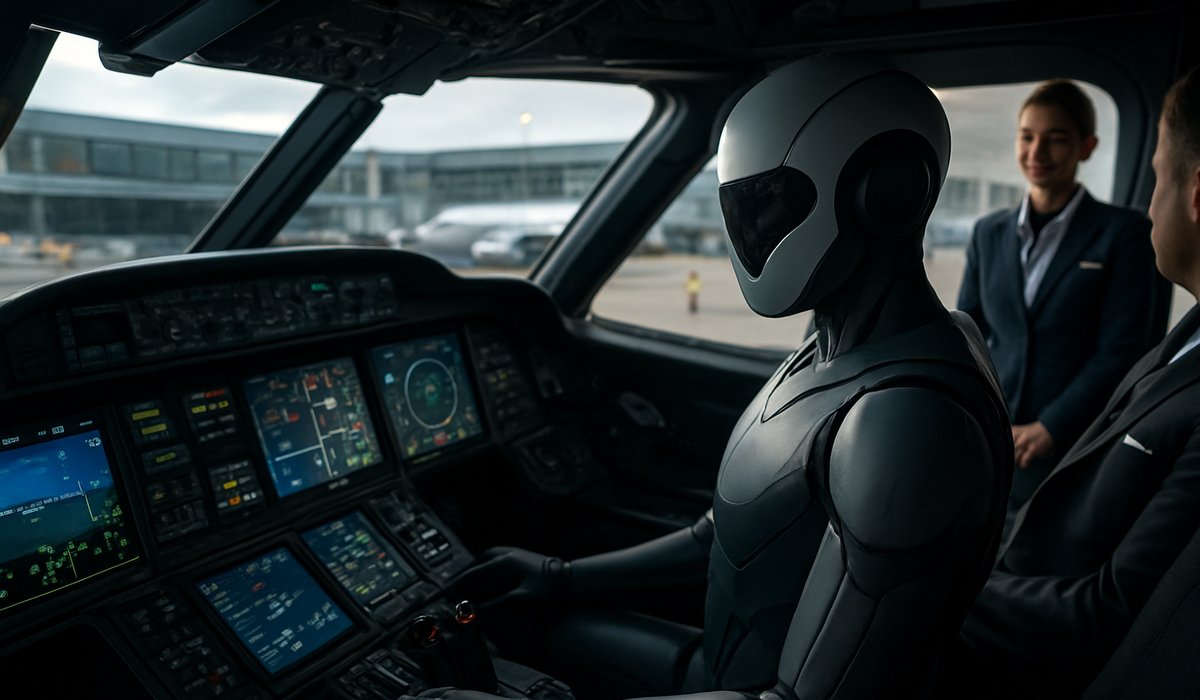
Image generated by AI
AI-Powered Cockpit Revolution: U.S. Air Force's B-21 Raider Introduces Autonomous Virtual Co-Pilot System
Northrop Grumman's breakthrough technology redefines modern warfare strategy as Pentagon plans massive fleet expansion amid great power competition
Pentagon Embraces Artificial Intelligence in Strategic Bomber Program
The United States Air Force has unveiled a transformative leap in military aviation technology with the Northrop Grumman B-21 Raider, a next-generation long-range strike platform featuring an advanced artificial intelligence system designed to function as a virtual co-pilot. This breakthrough eliminates the need for traditional crew augmentation in the cockpit, marking a significant departure from conventional bomber operations and signaling the Pentagon's accelerated shift toward autonomous defense systems.
The development comes at a critical juncture in global strategic competition, as the U.S. military seeks to maintain technological superiority against rival powers while managing budget constraints and operational complexity.
Fleet Modernization Signals Major Strategic Pivot
The Air Force has committed to acquiring between 100 and 200 B-21 Raiders over the coming decade, representing one of the most substantial military aviation investments in recent history. This acquisition strategy reflects the Pentagon's determination to field a advanced long-range strike capability capable of penetrating contested airspace—a critical requirement as geopolitical tensions escalate across multiple theaters.
According to defense officials, the AI co-pilot system enhances operational effectiveness by automating complex flight management tasks, threat assessment, and mission execution protocols. The technology allows pilots to focus on strategic decision-making and tactical adaptation rather than routine cockpit management, fundamentally restructuring how modern air operations function.
Advanced Autonomous Systems Reshape Combat Aviation
The virtual co-pilot represents years of development in machine learning and autonomous systems integration. Rather than replacing human judgment, the AI augments pilot capabilities by processing vast data streams in real-time—from threat detection to navigation optimization—thereby reducing crew fatigue and human error in high-stress combat scenarios.
This technological advancement carries profound implications for the future of military aviation. It demonstrates how artificial intelligence is transitioning from experimental applications into operational combat systems, setting precedent for how allied nations may develop their own autonomous defense platforms.
Deterrence Through Technological Dominance
Military analysts emphasize that the B-21's capabilities, particularly its AI integration, serve as a deterrent against peer adversaries during an era of intensified great power competition. The combination of stealth characteristics, extended range, and autonomous systems creates a formidable strategic asset that complicates adversarial defense planning.
Frequently Asked Questions
Q: How does the B-21 Raider's AI co-pilot differ from standard autopilot systems? A: The virtual co-pilot uses advanced machine learning algorithms to make autonomous tactical and strategic decisions, whereas traditional autopilot manages only basic flight parameters.
Q: Why is the Pentagon investing heavily in B-21 production now? A: Escalating global tensions, technological competition with near-peer adversaries, and the need to modernize aging bomber fleets drive the accelerated acquisition timeline.
Q: Can the AI system operate the aircraft independently without a human pilot? A: While technically capable of autonomous operation, current designs maintain human pilots as decision-makers, with AI providing enhanced situational awareness and automation support.
Q: What is the strategic advantage of removing a traditional co-pilot position? A: Reduced crew requirements lower operational costs, decrease crew fatigue, and allow single-pilot operation in extended missions while maintaining or enhancing mission effectiveness.
Q: How will this technology influence allied nations' defense strategies? A: The B-21's success will likely accelerate global development of autonomous military aircraft systems, reshaping competitive military aviation dynamics across NATO and Pacific allies.
Related Travel Guides
Flight Delay Compensation Guide 2026
Understanding Airline Route Changes
Airport Security Process Updated (2026)
External Resources
Disclaimer
This article is for informational and educational purposes only. It does not constitute legal, financial, or professional advice. While we strive to provide accurate and up-to-date information, travel policies, regulations, and conditions change rapidly. Always verify information with official sources before making travel decisions. Nomad Lawyer makes no representations about the accuracy, reliability, completeness, or suitability of the information provided. Readers should consult qualified professionals for advice specific to their circumstances. The views expressed in this article are those of the author and do not necessarily reflect the views of Nomad Lawyer.
Raushan Kumar
Founder & Lead Developer
Full-stack developer with 11+ years of experience and a passionate traveller. Raushan built Nomad Lawyer from the ground up with a vision to create the best travel and law experience on the web.
Learn more about our team →