
Emirates Struggles on US Routes as Ten Key Services Report Underwhelming Load Factors
Breaking airline news and aviation industry updates for 2026.

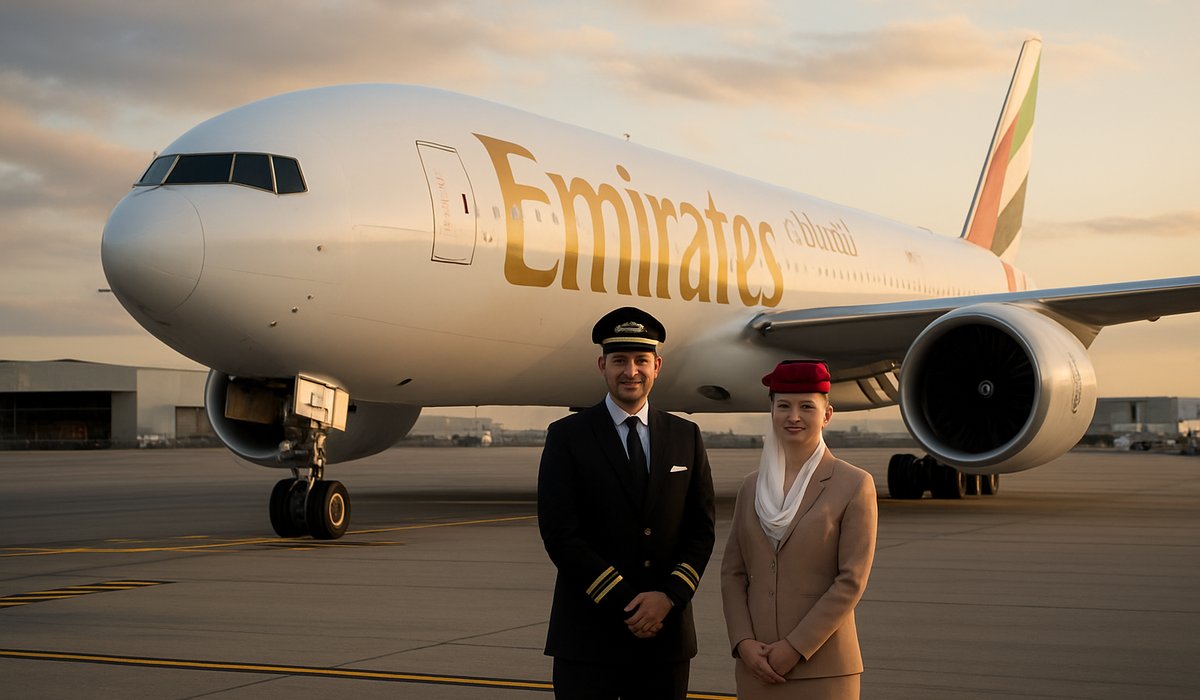
Image generated by AI
Emirates Struggles on US Routes as Ten Key Services Report Underwhelming Load Factors
The Gulf carrier's American expansion faces headwinds, with multiple transatlantic connections operating significantly below capacity
Capacity Crisis: Emirates' Underperforming US Network
Emirates, the Middle East's preeminent carrier serving the United States, is grappling with a troubling occupancy problem across its American network. New data from the Department of Transportation reveals that the Dubai-based airline—which transported approximately 3.3 million round-trip passengers throughout 2025—is contending with severe load factor challenges on ten critical US routes, with some services achieving only 66% cabin capacity.
The findings underscore growing pressures within the aviation industry, where stagnant demand, elevated jet fuel costs, and intensifying competition continue to compress margins for long-haul operators. For Emirates, a carrier historically synonymous with premium transatlantic and transpacific expansion, the revelation poses strategic questions about route viability and network optimization.
The Capacity Problem
Load factors—a critical metric measuring the percentage of available seats filled on commercial flights—have become increasingly scrutinized as airlines navigate post-pandemic rebalancing and shifting travel patterns. Emirates' constellation of underperforming American services represents not merely operational inefficiency but a broader indicator of demand weakness in premium international travel segments where the Gulf carrier has traditionally commanded market dominance.
The airline's struggling routes benefit from European stopover points and connections extending into Colombia, leveraging Dubai's geographic advantage as a global hub. Yet these multi-leg configurations appear insufficient to generate sustainable passenger volumes, suggesting that geographic positioning alone cannot overcome persistent demand headwinds.
Industry Context and Broader Implications
The capacity pressures facing Emirates reflect systemic challenges confronting long-haul carriers globally. Volatile jet fuel pricing, geopolitical uncertainty affecting Middle Eastern carriers, and shifting consumer preferences toward direct flights have collectively compressed the economics of traditional hub-and-spoke transatlantic models. Airlines across the sector have responded by tightening schedules, restructuring route networks, and implementing dynamic pricing strategies—measures that often translate into higher baggage charges and ancillary fees for passengers.
For travelers, these industry adjustments manifest as steeper airline fees, reduced service frequency, and consolidation of less-profitable connections. Emirates' American network challenges exemplify how capacity utilization pressures cascade through the broader aviation ecosystem, influencing everything from ticket pricing to baggage policies.
What Lies Ahead
Industry analysts anticipate continued scrutiny of long-haul route performance as carriers confront the reality that not all international connections justify sustained capacity deployment. For Emirates specifically, the data signals potential for network recalibration, though the airline's substantial investment in American operations suggests commitment to the market despite near-term headwinds.
Frequently Asked Questions
Why are airline load factors important? Load factors directly determine airline profitability on any given route. Services operating at 66% capacity often struggle to cover operational expenses, including crew costs, fuel surcharges, and airport fees.
How do low load factors affect airline fees for passengers? Carriers compensate for underutilized capacity by raising ancillary charges—baggage fees, seat selection costs, and fuel surcharges—effectively shifting financial burden to consumers.
What causes transatlantic route demand fluctuations? Jet fuel price volatility, economic downturns, currency exchange rates, and geopolitical disruptions significantly impact business and leisure travel demand on long-haul international routes.
Can Emirates recover these underperforming routes? Airlines typically respond to persistent load factor weakness through schedule adjustments, aircraft downgauging, or route discontinuation if demand doesn't materially improve within 12-18 months.
How does this compare to other Gulf carriers' US operations? Competitors like Qatar Airways and Etihad Airways also face similar pressures, though their diversified networks and strategic partnerships provide alternative revenue streams unavailable to single-hub operators.
Related Travel Guides
- Bypassing Global Travel Chaos: Air India Maharaja Club Wins 2026 Freddie Award as Elite Status Shields Passengers from Massive Airport Disruptions
- American Airlines Accelerates Cabin Modernization as San Francisco Airport Faces Unprecedented Operational Crisis
- Avelo Airlines Partnerships: Hotel and Car Rental Recovery Strategy 2026
Disclaimer
This article is for informational and educational purposes only. It does not constitute legal, financial, or professional advice. While we strive to provide accurate and up-to-date information, travel policies, regulations, and conditions change rapidly. Always verify information with official sources before making travel decisions. Nomad Lawyer makes no representations about the accuracy, reliability, completeness, or suitability of the information provided. Readers should consult qualified professionals for advice specific to their circumstances. The views expressed in this article are those of the author and do not necessarily reflect the views of Nomad Lawyer.
Raushan Kumar
Founder & Lead Developer
Full-stack developer with 11+ years of experience and a passionate traveller. Raushan built Nomad Lawyer from the ground up with a vision to create the best travel and law experience on the web.
Learn more about our team →