
Mammoth Cave National Park 2026: Complete Guide to 365 Miles of Underground Passages and World Heritage Hiking
Explore Kentucky's Mammoth Cave National Park—the world's longest cave system with 365+ miles explored, UNESCO World Heritage status, and 85 miles of surface trails.

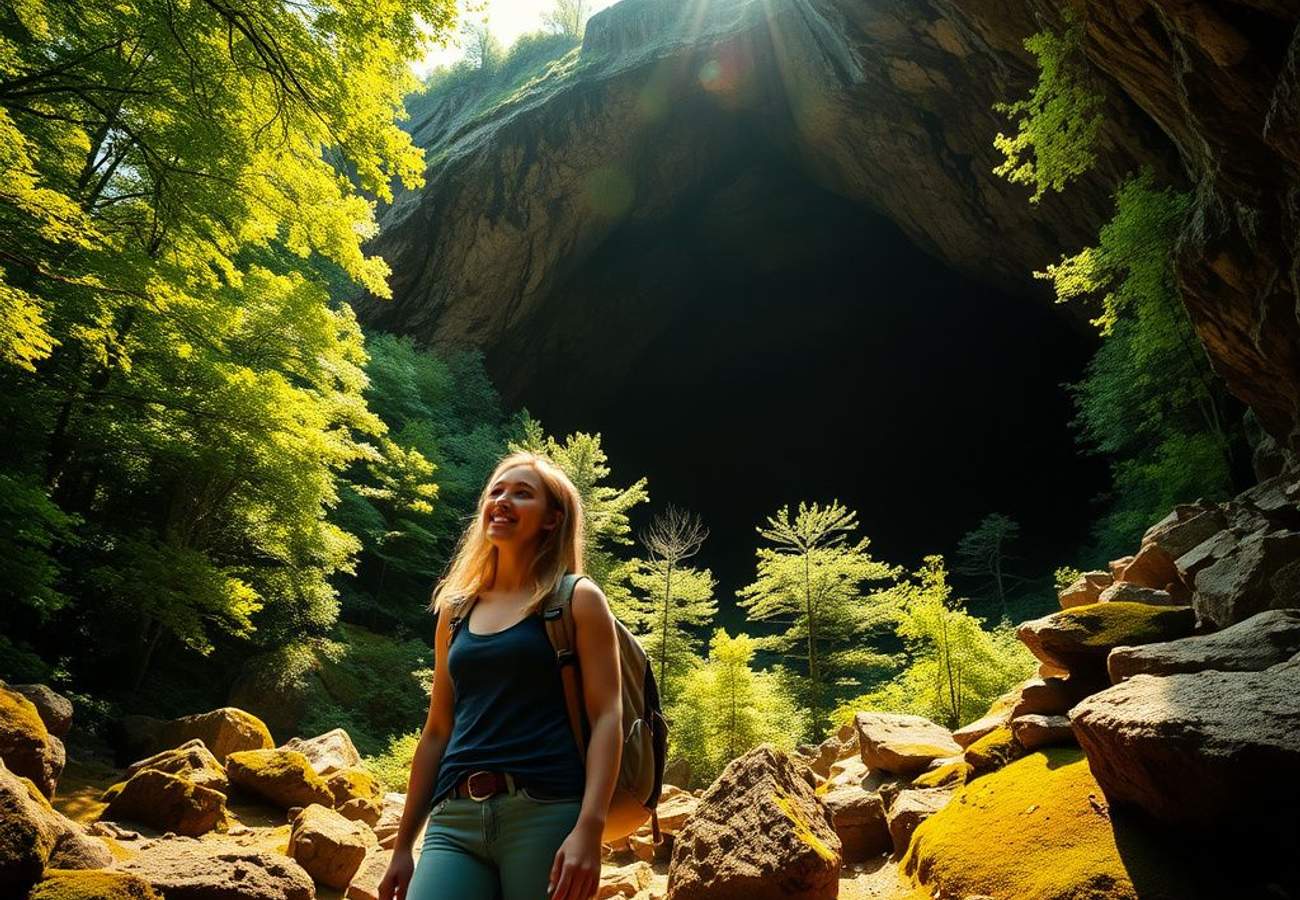
Image generated by AI
The Underground Kingdom Nobody Fully Knows
Mammoth Cave National Park in Kentucky isn't just another national park with a cave system hidden beneath it. What makes this destination genuinely extraordinary is the sheer, almost incomprehensible scale of what lies underground—and what's still waiting to be discovered.
The park's vast subterranean network stretches across more than 365 miles of explored passages, making it the world's longest known cave system by an astronomical margin. But here's what stops most visitors cold: explorers are still finding new passages. There's more undiscovered territory underneath Mammoth Cave than in virtually any other national park on Earth.
Reddit: "I've been to dozens of caves across the country. Nothing—and I mean nothing—compares to the scale of Mammoth Cave. It's not just bigger; it exists in a different category." — r/travel
Above ground, the park delivers an equally compelling landscape: lush hardwood forests, the biologically diverse Green River, and over 85 miles of surface hiking trails. This rare combination of terrestrial and subterranean wonders earned the park both UNESCO World Heritage Site status (1981) and UNESCO International Biosphere Reserve designation (1990).
From Sacred Ground to Global Destination
The land beneath Mammoth Cave held human significance centuries before Congress formally established the park in 1926. Indigenous peoples occupied the region as early as 5000 B.C.E., using the cave for shelter and extracting minerals from the soil.
Tourism began around 1816—but this history carries a darker weight. Enslaved African Americans served as the first cave guides, navigating visitors through passages they were forced to map and explain. Later, the cave functioned as a tuberculosis sanatorium, a church, and a community gathering space. This layered human history remains embedded in the landscape.
The formal recognition didn't arrive until 1941, though the park's international prestige accelerated rapidly after UNESCO's designations. Today, Mammoth Cave ranks among America's most scientifically significant protected spaces.
When to Visit: Timing Your Underground Adventure
The cave maintains a constant 54°F (12.2°C) year-round, which means the underground experience remains consistent regardless of season. Winter actually offers a strategic advantage: you'll dodge the summer crowds that flood the surface trails while enjoying uninterrupted cave exploration.
April through November represents the optimal visiting window for experiencing both the subterranean and surface attractions. May draws the largest crowds, followed by March and October. If you're crowd-averse, plan accordingly—tours often sell out weeks in advance through Recreation.gov.
Vantage Points That Demand Your Time
Sunset Point delivers one of the park's most striking panoramas. This easily accessible overlook from the newly renovated 0.6-mile Heritage Trail showcases the Green River Valley in sweeping detail. Autumn transforms the view into something almost supernatural—the dense canopy erupts in deep reds and golds.
Turnhole Bend Overlook, positioned midway along the 0.6-mile Turnhole Bend Loop Trail, offers sweeping river views and, on clear days, visibility of Turnhole Bend Spring. The trail winds through hilly forested terrain dotted with massive sandstone outcroppings and sinkholes. Seasonally, wildflowers and the park's rare sinkhole-specific ferns populate the route.
Serious hikers gravitate toward the 4.6-mile Green River Bluff, Echo River Springs, Sinkhole, and Heritage Trail, which originates at the visitor center and winds through pristine hardwood forests. The limestone overlooks along this route offer some of the park's most dramatic Green River perspectives. Hikers also encounter a massive natural sinkhole and a turquoise spring where an underground river emerges into daylight.
The Otherworldly Underground Realm
Deep beneath the surface lies the Ruins of Karnak, named after the ancient Egyptian temple complex—a surreal formation that absolutely shouldn't be missed. According to Roger Brucker, co-founder of the Cave Research Foundation, which partners with the federal government on public cave exploration and research, this site represents the kind of discovery that makes Mammoth Cave scientifically priceless.
The Star Chamber presents something equally haunting. For millennia, explorers used torches to navigate these passages—and the smoke and soot accumulated on the chamber's ceiling, turning it jet black. Early guides discovered that throwing rocks at this blackened surface revealed flecks of glittering gypsum underneath. The effect mimics a starlit night sky so convincingly that poet Ralph Waldo Emerson wrote after visiting: "I saw or seemed to see the thick with stars glimmering over our heads. All the party were touched with astonishment and pleasure."
Trail Selection for Every Ability
The park hosts over 85 miles of surface trails and approximately 12 miles of subterranean paths—enough variety that virtually every hiker finds something matching their skill level and interests.
The Dixon Cave, Green River Bluffs, and River Styx Spring Loop (1.7 miles) qualifies as an easy, highlight-packed circuit. In under an hour, you'll walk alongside the Green River, pass Dixon Cave, reach forested bluffs, and spot the Mammoth Cave Historic Entrance—all under substantial tree cover that keeps you cool even during summer heat waves.
The Mammoth Creek First Creek Trail represents one of the park's most demanding and rewarding hikes: 12.8 miles with nearly 1,700 feet of elevation gain. Push through and you'll encounter waterfalls, lakes, wildflowers, songbirds, moss-covered rocks, and the kind of deep-forest solitude that feels increasingly rare.
Underground, the Grand Avenue Tour (4 miles) showcases geological diversity at a moderate intensity. Visitors navigate wide canyons and narrow tunnels while spotting cave dwellers and historical sites that humans have occupied for thousands of years.
Where Wildlife Reveals Itself
Spring and fall bring peak wildlife activity, particularly along the Green River—consistently ranked among the most biologically diverse waterways in the United States. Hikers and paddlers regularly encounter eastern gray squirrels, songbirds, eagles, snakes, river otters, mussels, salamanders, and bats. Wild turkey and white-tailed deer frequent picnic areas.
The 0.4-mile Sloan's Crossing Pond Trail serves as the go-to wildlife viewing route. Viewing decks provide ideal observation points for spotting fish, frogs, turtles, herons, and butterflies in the surface pond.
Underground? The cave itself harbors over 200 species, making it one of Earth's most diverse biospheres. Year-round residents include bats, cave crickets, fish salamanders, and pack rats.
Expert Insights: What the Explorers Know
Brucker visited Mammoth Cave at age seven—an experience so transformative that he spent his life mapping unexplored passages and authoring four books about the system. He continued mapping until age 96. His core recommendation? Spend as much time in the cave as possible.
"So much of Mammoth Cave has not been seen by humans; it's hidden underground," Brucker explains. "There is no other national park with so many square miles of undiscovered territory. Explorers are still finding new passages."
Molly Schroer, a park ranger, reinforces this: "A visit to Mammoth Cave is not complete without a cave tour." She emphasizes booking through Recreation.gov in advance since tours change seasonally and frequently sell out weeks ahead.
For the genuinely adventurous, the six-hour Wild Cave Tour offers crawling and climbing through passages like the Bear Hole and the Birth Canal—named for their difficulty—with routes customized by your guide based on interests and physical capability.
Mammoth Cave isn't just a destination; it's proof that Earth still holds mysteries we haven't fully mapped.
Related Travel Guides
Disclaimer
This article is for informational and educational purposes only. It does not constitute legal, financial, or professional advice. While we strive to provide accurate and up-to-date information, travel policies, regulations, and conditions change rapidly. Always verify information with official sources before making travel decisions. Nomad Lawyer makes no representations about the accuracy, reliability, completeness, or suitability of the information provided. Readers should consult qualified professionals for advice specific to their circumstances. The views expressed in this article are those of the author and do not necessarily reflect the views of Nomad Lawyer.
Preeti Gunjan
Contributor & Community Manager
A passionate traveller and community builder. Preeti helps grow the Nomad Lawyer community, fostering engagement and bringing the reader experience to life.
Learn more about our team →