
9 Best US National Parks to Visit in Summer 2026: Complete Guide to June-August Adventures
From Yellowstone's geysers to Yosemite's granite cliffs, discover the 9 best US national parks for summer travel in 2026 with insider tips on timing, access, and must-do activities.

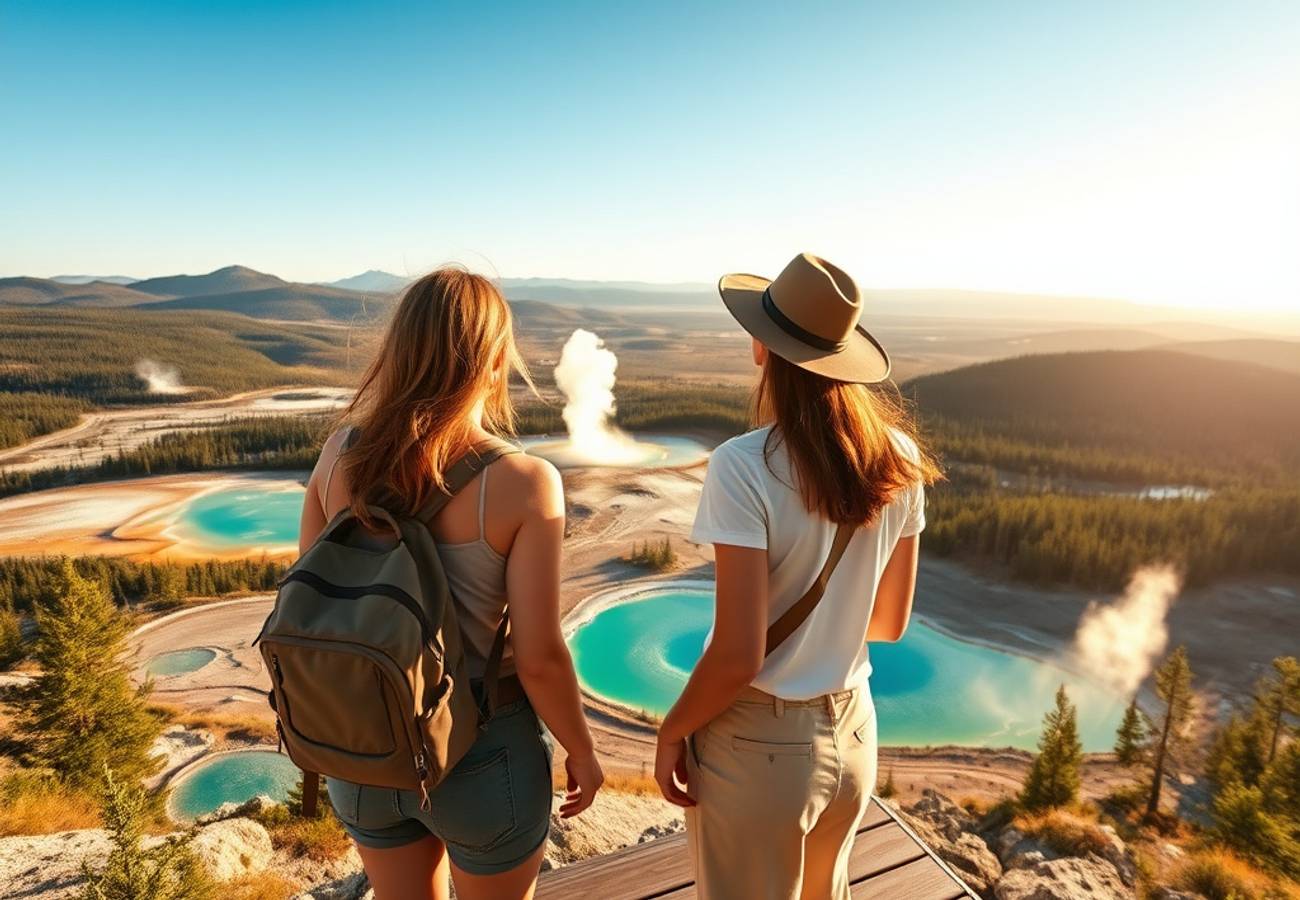
Image generated by AI
Summer transforms America's 63 national parks into open-air playgrounds, and the window to explore them is short. With extended daylight hours, snow-cleared trails, and accessible high-elevation terrain, June through August represent the peak season for serious outdoor adventurers. But timing matters—and knowing which parks deliver maximum impact in summer can mean the difference between a crowded, frustrating trip and an unforgettable expedition.
I've tracked the seasonal patterns, road openings, and wildlife activity across the country's most visited parks. Here are the nine destinations that absolutely demand a place on your summer itinerary.
Yellowstone National Park: Where Geothermal Drama Meets Accessibility
Yellowstone sprawls across Wyoming, Montana, and Idaho—and summer is the only season when you can experience its full majesty. The Grand Loop Road opens completely, granting access to areas like Dunraven Pass and the overlooks above Yellowstone Lake. Geysers erupt with precision, hot springs display those otherworldly turquoise hues, and wildlife roams openly through the valleys.
The tradeoff? Heavy traffic. But the payoff justifies it. You'll witness the park's most vivid colors and reliable geyser activity. The stargazing conditions also rank among the best in the country once you escape the valley's lights.
Reddit: "Went to Yellowstone in July and saw bison herds, elk, and caught Old Faithful erupt three times in one day. Summer is absolutely worth the crowds." — r/travel
Grand Teton National Park: Compact But Absolutely Epic
Grand Teton sits just south of Yellowstone, but operates on a different scale. The park is more intimate—you can traverse it in less time—yet the alpine scenery rivals anything in the lower 48 states. Summer unlocks the full potential: Cascade Canyon trails become hikeable, Jenny Lake opens for kayaking, and the Tetons' jagged peaks lose their snow cover just enough to reveal high-elevation passes.
The mountains rise directly from the valley floor, creating that dramatic vertical relief photographers crave. Many travelers wisely combine a Yellowstone-Grand Teton loop, taking advantage of the parks' proximity and complementary landscapes.
Yosemite National Park: High Country Opens in Summer
California's Yosemite is vertical theater: granite monoliths, plunging waterfalls, and glacier-carved valleys. But the park's true magic reveals itself once Tioga Pass opens, typically in late June or early July. This gateway unlocks access to Tuolumne Meadows and the high country—where alpine lakes, wildflower meadows, and quieter trailheads offer genuine solitude.
Yes, Yosemite Valley remains crowded. But drive east toward the high country, and the crowds evaporate. Summer also means the cables for Half Dome are installed, enabling one of the most iconic full-day hikes in America. Yosemite typically receives over 4 million annual visitors, making early morning starts non-negotiable.
Glacier National Park: Montana's Alpine Jewel Peaks Late
Glacier doesn't fully open until mid-to-late summer. At these elevations, snow lingers into July, keeping temperatures alpine and hikes feeling genuinely remote. By August, the park transitions into full accessibility: Grinnell Glacier, Hidden Lake, and the legendary Going-to-the-Sun Road become reliably drivable.
The payoff for patience: fewer crowds than other major parks, and landscapes that feel closer to wilderness than developed tourist destinations. July visits deliver cooler conditions and that high-altitude atmosphere; August offers maximum accessibility.
Rocky Mountain National Park: Trail Ridge Road Defines Summer Access
Rocky Mountain in Colorado sits at extreme elevation—roads and trails climb above 12,000 feet. Summer conditions here are brutally short (typically July-September), but those months transform the park into an alpine wonderland. Trail Ridge Road, one of America's most scenic drives, opens only in summer, offering unobstructed views across tundra-like terrain.
Wildflowers peak in mid-to-late summer, especially in alpine meadows. The landscape transitions from forested valleys to open alpine tundra as you climb—delivering multiple ecosystems within a single drive.
Zion National Park: Red Rock Drama in Clear Skies
Zion gets celebrated for winter visitation, but summer delivers its own magic. The season brings heat (expect 90-100°F in the canyon), but also clarity. Skies are reliably blue, the canyon's red walls glow in intense summer light, and long daylight hours mean more time for exploration.
Critically, summer brings low water levels in The Narrows—enabling you to hike directly in the Virgin River. All shuttle routes and scenic overlooks operate fully. The combination of dry conditions and extended daylight creates ideal circumstances for serious canyon exploration.
Acadia National Park: New England's Coastal Crown
Acadia on Maine's Mount Desert Island offers something different: rugged coastline, mountain trails, and ocean views compressed into a manageable footprint. Summer (July-August especially) brings warm temperatures, calm seas perfect for kayaking, and carriage roads that deliver mountain views without technical hiking.
The park's Jordan Pond Path and summit of Cadillac Mountain (the first place to see sunrise in the US) become reliably accessible. The combination of coastal drama and New England charm makes Acadia a distinct experience from the western parks.
Great Smoky Mountains National Park: The Most Visited Park
Great Smoky Mountains ranks as America's most-visited national park—and summer explains why. The forested valleys, misty ridges, and cascading waterfalls create a distinct aesthetic from the western parks. Summer opens hundreds of miles of trails, from waterfall hikes to ridge-line treks.
The elevation gains here are gentler than western parks, making it accessible to wider age ranges. The Smokies also burst with wildlife visibility in summer: black bears, elk, and diverse bird species are all reliably spotted.
Joshua Tree National Park: Summer Heat, Unparalleled Solitude
Joshua Tree in the California desert might seem like an obvious winter destination—and it is. But summer brings something unexpected: profound solitude. Most visitors flee the 100°F+ heat, leaving behind empty trails and otherworldly desert landscapes under stars so vivid they feel photoshopped.
Early morning and evening hikes become almost meditative. The park's surreal geology—twisted Joshua Trees, massive boulder formations, and vast desert vistas—feels even more alien under the intense summer light.
Timing Logistics: When to Drive, When to Hike
Summer access varies dramatically by elevation and geography. High-elevation parks (Rocky Mountain, Glacier, Yosemite's high country) open progressively through June and July. Low-elevation parks (Zion, Joshua Tree) are fully accessible by early June but peak early, with August heat limiting comfort.
Plan high-elevation parks for late July through August. Reserve June for accessible parks at moderate elevations. Expect crowds at major attractions (Yellowstone's geysers, Yosemite Valley, Grand Teton's Jenny Lake) regardless of timing—arrive before 8 AM or after 4 PM.
Reddit: "Skip the valley in Yosemite during peak summer. Drive straight to Tioga Road and explore the high country. Same park, radically different experience." — r/CampingandHiking
Critical Summer Considerations
Road Closures Matter: Check NPS websites before arriving. Tioga Pass, Trail Ridge Road, and Going-to-the-Sun Road open on weather-dependent schedules. A June visit to the high country can mean closed passes; July-August guarantees access.
Permit Systems: Popular hikes (Half Dome in Yosemite, backcountry routes in most parks) require advance permits, often available only via lottery systems. Book months in advance.
Water Availability: Summer means low water in rivers and creeks. Flash flood risk in slot canyons (Zion's Narrows, canyon country parks) depends on upstream weather. Check conditions before committing to water hikes.
Wildlife Patterns: Summer concentrates animals around remaining water sources and alpine meadows. Early mornings and dusk deliver peak wildlife viewing—particularly in Yellowstone, Grand Teton, and the Smokies.
The window for summer national park exploration is narrow. Winter crowds are gone, snow is cleared, and the parks offer their most accessible and dramatic faces. The question isn't whether to visit—it's which parks deserve your limited summer days.
Start planning now: peak season books up months in advance, and the best trails fill daily.
Related Travel Guides
Disclaimer
This article is for informational and educational purposes only. It does not constitute legal, financial, or professional advice. While we strive to provide accurate and up-to-date information, travel policies, regulations, and conditions change rapidly. Always verify information with official sources before making travel decisions. Nomad Lawyer makes no representations about the accuracy, reliability, completeness, or suitability of the information provided. Readers should consult qualified professionals for advice specific to their circumstances. The views expressed in this article are those of the author and do not necessarily reflect the views of Nomad Lawyer.
Kunal K Choudhary
Co-Founder & Contributor
A passionate traveller and tech enthusiast. Kunal contributes to the vision and growth of Nomad Lawyer, bringing fresh perspectives and driving the community forward.
Learn more about our team →