
Pennsylvania State Smallest Park: Hidden Gem for Fishing 2026
Pennsylvania's smallest state park emerged as a surprising outdoor destination in 2026. This micro-sized park offers fishing, picnicking, and hiking for travelers seeking secluded recreation near state forest land.

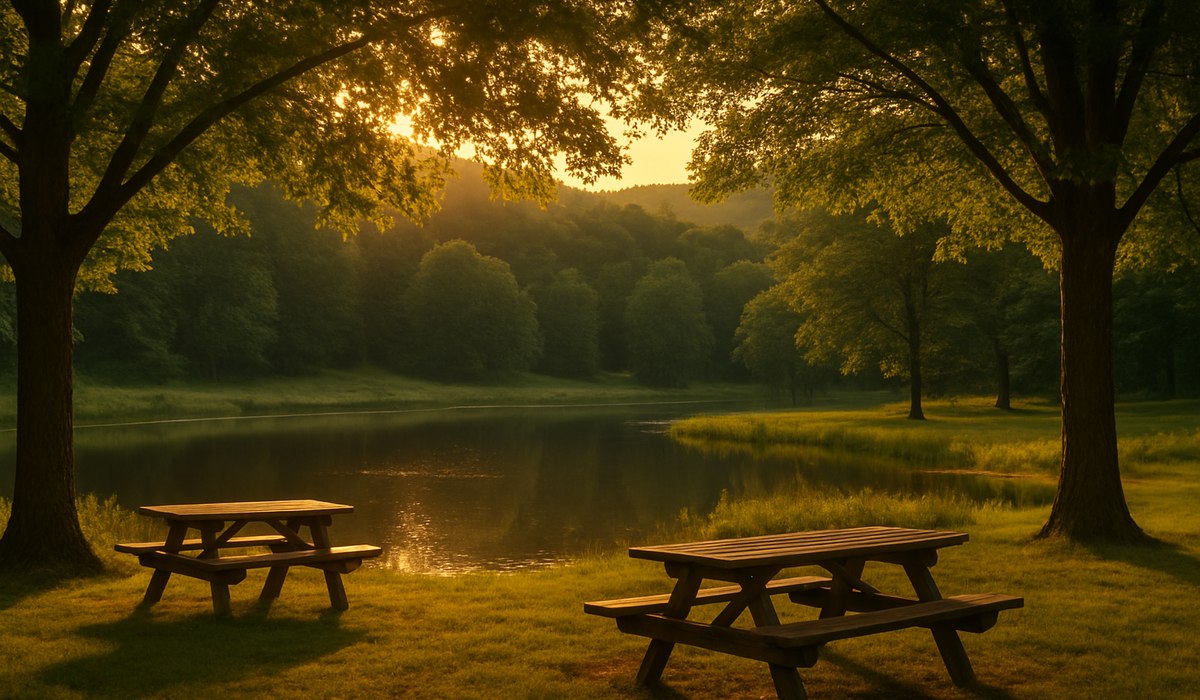
Image generated by AI
Pennsylvania's Overlooked Micro Park Attracts Outdoor Enthusiasts
Pennsylvania's smallest state park has quietly become a destination for travelers seeking intimate outdoor experiences away from crowded attractions. Measuring just a few acres, this compact recreation area nestled within state forest boundaries offers authentic fishing opportunities, peaceful picnicking spots, and access to rugged hiking trails. The park's modest size belies its recreational value, drawing families and solo adventurers who prioritize tranquility over tourist infrastructure during the 2026 travel season.
Pennsylvania State Smallest Park: Location and Overview
This diminutive park represents Pennsylvania's commitment to preserving natural spaces throughout its diverse landscape. Located within a state forest ecosystem, the Pennsylvania state smallest park provides essential public access to pristine fishing waters and woodlands. Despite its minimal acreage, the park integrates seamlessly with surrounding forest management areas, creating expanded recreational corridors for visitors.
The facility includes basic amenities designed to support day-use activities without compromising environmental integrity. Parking areas accommodate vehicles, while designated picnic zones feature weathered tables and fire rings. The park's understated infrastructure reflects a philosophy prioritizing habitat preservation over commercial development—a refreshing contrast to sprawling regional parks.
Fishing and Water Activities at Pennsylvania's Tiniest Park
The pennsylvania state smallest park's centerpiece is undoubtedly its fishing waters. Local anglers consistently report solid catches of native species throughout spring and autumn seasons. The park maintains catch-and-release policies during specific periods, supporting sustainable fishery management.
Bank access provides excellent opportunities for shore-based fishing, while experienced anglers praise the water clarity and fish populations. The park's isolation from major highway corridors means fewer competitors for productive fishing spots. Visit Pennsylvania Fish & Boat Commission for current regulations, species information, and seasonal advisories before planning your fishing expedition.
Picnicking and Day-Use Facilities
Picnicking at this pennsylvania state smallest park delivers an authentic back-to-basics experience. Simple picnic tables positioned throughout the grounds encourage extended stays without requiring reservations. The park's intimate setting fosters conversation and connection—ideal for families seeking screen-free afternoon activities.
Visitors appreciate the absence of commercial food services, promoting pack-and-prepare picnic traditions. Shaded areas near the water provide relief during warm months, while open clearings offer unobstructed views across the park. Facilities include basic restrooms and waste management stations. The park remains open year-round, though seasonal weather significantly influences comfort levels during winter months.
Nearby Hiking Trails and Outdoor Recreation
Immediately adjacent state forest lands transform this pennsylvania state smallest park into a gateway for extended backcountry exploration. Rugged hiking trails wind through mature timber stands, offering moderate difficulty levels suitable for families with school-age children through experienced hikers.
Trail conditions vary seasonally, with spring mud and autumn leaf cover presenting navigation challenges. Local hiking communities maintain several unofficial trails that connect park boundaries to broader forest networks. For official trail information and maps, consult Pennsylvania Department of Conservation and Natural Resources resources.
Adjacent forest lands provide opportunities for wildlife observation, particularly during early morning excursions when deer, turkey, and songbird activity peaks. Photography enthusiasts favor autumn visits when forest canopy displays vibrant foliage patterns.
Best Time to Visit Pennsylvania's Smallest State Park
Timing your visit optimizes the pennsylvania state smallest park experience considerably. Spring months (April-May) bring mild temperatures and active fish feeding behavior, creating ideal fishing conditions. Summer weekends attract moderate crowds, particularly July-August, though morning arrivals secure prime parking and picnic locations.
Autumn (September-October) delivers pleasant hiking weather and spectacular forest colors. Winter visits appeal to solitude seekers, though frozen water access and snow-covered trails require appropriate gear and experience. Late May through early September represents peak season for all recreational activities, with June offering an optimal balance of comfortable weather and manageable visitor density.
How to Get There
Accessing the pennsylvania state smallest park requires attention to detailed directions, as GPS devices occasionally misroute visitors to wrong forest access points. The park sits within a state forest property accessed via secondary state highways and well-marked forest roads.
From major Pennsylvania cities, allow 90-180 minutes driving time depending on origin point. The final approach requires traversing unpaved forest roads suitable for standard vehicles during dry seasons. Winter travel requires higher-clearance vehicles or chains. Consult TripAdvisor reviews for user-submitted directions and recent access condition reports before departing.
Cell phone reception remains unreliable throughout the state forest surrounding the park. Download offline maps and establish meeting points with travel companions. Gas stations and supplies are located 15-20 miles from park boundaries—plan provisions accordingly.
Key Facts About Pennsylvania's Smallest State Park
| Characteristic | Details |
|---|---|
| Total Acreage | Less than 10 acres |
| Primary Activities | Fishing, picnicking, hiking |
| Water Access | Bank fishing available year-round |
| Parking | Limited capacity, first-come basis |
| Facilities | Picnic tables, restrooms, trash stations |
| Peak Season | May through September |
| Vehicle Requirements | Standard clearance adequate in dry conditions |
| Entry Fee | Free day-use access |
| Nearest Town | 15-20 miles distant |
What This Means for Travelers
Pennsylvania's smallest state park addresses growing demand for authentic, uncrowded outdoor experiences. Consider these actionable strategies for maximizing your visit:
-
Arrive early morning to secure preferred picnic locations and access quieter fishing hours before weekend crowds materialize.
-
Pack comprehensive supplies including water, snacks, and first-aid materials since commercial services don't exist within park boundaries.
-
Download offline maps and trail guides before entering service-dead zones, preventing navigation frustration during your visit.
-
Check seasonal regulations with Pennsylvania Fish & Boat Commission regarding species restrictions and catch limits applicable during your planned visit dates.
-
Verify road conditions with local forest service offices during winter and spring thaw periods when unpaved access roads become impassable.
Frequently Asked Questions
What species of fish inhabit the park's waters? The pennsylvania state smallest park hosts native populations of smallmouth bass, bluegill, and catfish. Seasonal availability varies, with spring and autumn supporting the most active feeding periods. Current population data and species-specific regulations are available through the Pennsylvania Fish & Boat Commission website.
Are reservations required for picnicking at this park? No advance reservations are necessary for day-use picnicking. The pennsylvania state smallest park operates on first-come, first-served basis. Arriving early during peak season ensures access to preferred picnic locations and parking availability.
Can I camp overnight at the park? The park does not accommodate overnight camping. Nearby state forest lands offer designated camping areas with varying amenity levels. Contact Pennsylvania DCNR for information regarding neighboring campground facilities and reservation procedures.
Is the park accessible for visitors with mobility limitations? Limited accessibility features exist at this rustic facility. Basic parking and restroom facilities may accommodate some mobility devices, though terrain and trail conditions present challenges. Contact park administration for specific accessibility questions before planning visits.
Related Travel Guides
Disclaimer
This article is for informational and educational purposes only. It does not constitute legal, financial, or professional advice. While we strive to provide accurate and up-to-date information, travel policies, regulations, and conditions change rapidly. Always verify information with official sources before making travel decisions. Nomad Lawyer makes no representations about the accuracy, reliability, completeness, or suitability of the information provided. Readers should consult qualified professionals for advice specific to their circumstances. The views expressed in this article are those of the author and do not necessarily reflect the views of Nomad Lawyer.
Kunal K Choudhary
Co-Founder & Contributor
A passionate traveller and tech enthusiast. Kunal contributes to the vision and growth of Nomad Lawyer, bringing fresh perspectives and driving the community forward.
Learn more about our team →