
Malaysia’s Langkawi Seeks Tourism Revival as Penang’s Growth Highlights the Power of Experience Economy
Malaysia’s Langkawi Seeks Tourism Revival as Penang’s Growth Highlights the Power of Experience Economy

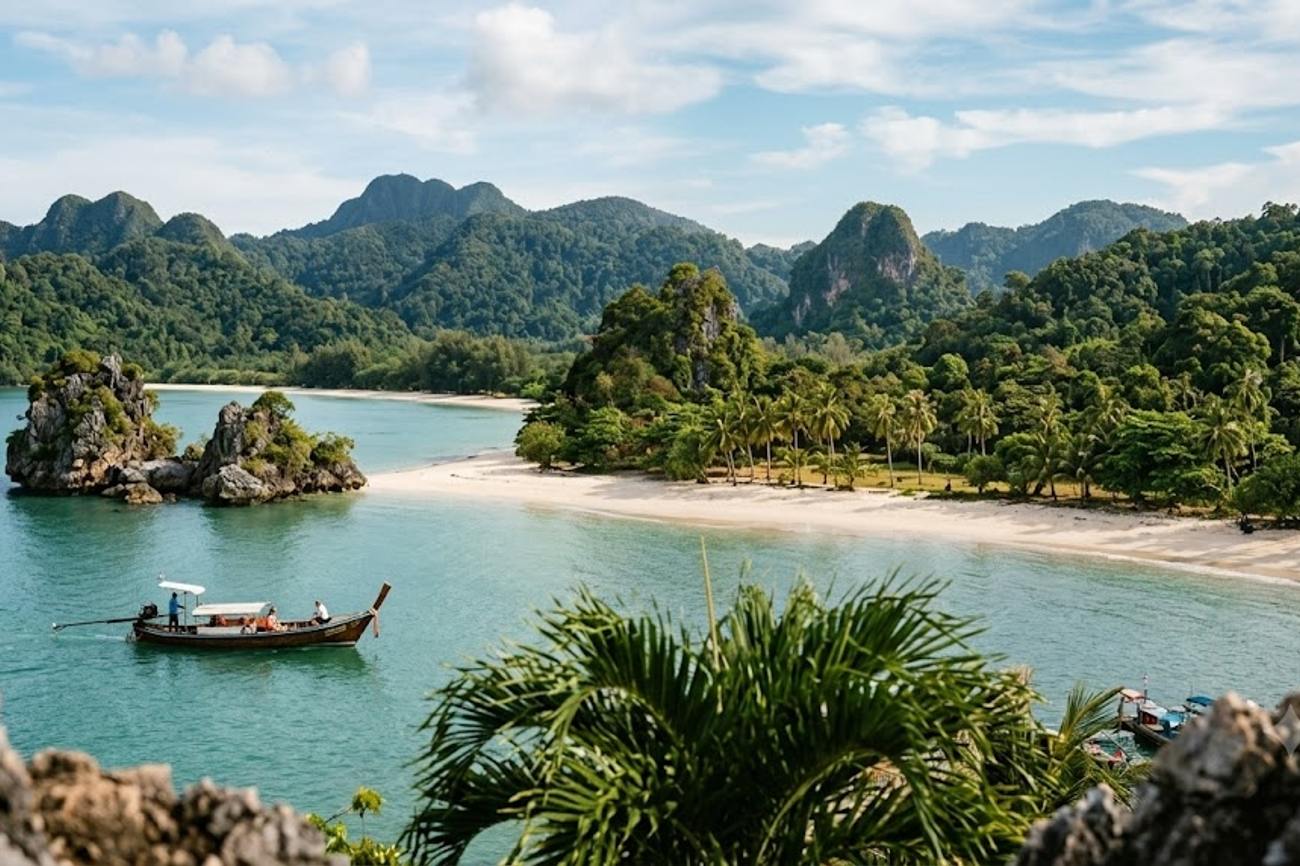
Image generated by AI
[Langkawi, 2025] — The Malaysian island of Langkawi is launching a strategic overhaul of its tourism model to pivot toward an "experience economy" in an effort to boost visitor loyalty and increase average stay durations.
Local authorities are shifting focus from the island's raw natural assets to a comprehensive enhancement of guest hospitality, service efficiency, and destination competitiveness. The move comes as Langkawi seeks to emulate the success of neighboring Penang, which has leveraged cultural heritage and gastronomy to secure a more diverse and higher-spending tourist base.
The Shift Toward Experience-Based Tourism
Langkawi is currently transitioning its value proposition. While the island has historically relied on its status as a UNESCO Global Geopark and its pristine rainforests to attract crowds, officials recognize that scenic beauty alone is no longer a sufficient differentiator in the global travel market. Modern travelers are increasingly prioritizing "complete experiences"—a blend of seamless connectivity, cultural immersion, and high-touch hospitality.
The island's current strategy focuses on the "travel journey" rather than just the destination. This involves auditing every touchpoint of the visitor experience, from the moment a passenger lands at the airport or docks at the ferry terminal to their interactions with local vendors and the quality of their dining experiences. By improving the "human capital" element—specifically service standards and local hospitality—Langkawi aims to transform one-time visitors into repeat guests.
Comparative Tourism Performance
The urgency for this pivot is underscored by 2025 data comparing Langkawi with Penang. While Langkawi remains a powerhouse for domestic travel, Penang's ability to attract high-volume international hotel guests suggests a more robust "experience" infrastructure.
| Metric | Langkawi (2025) | Penang (2025) |
|---|---|---|
| Domestic Visitors | 2.87 Million | 5.29 Million (Hotel Guests) |
| International Visitors | 341,000 | 3.47 Million (Hotel Guests) |
| Primary Draw | Nature, Beaches, Geopark | Heritage, Food, Urban Energy |
| Connectivity | Air and Ferry | Air, Ferry, and Dual Bridges |
The data reveals a significant gap in international hotel stays. Penang’s success is attributed to its variety; visitors can oscillate between historic neighborhoods and modern business hubs within a compact area, encouraging longer stays and higher per-capita spending. Langkawi, by contrast, is working to diversify its offerings beyond nature to include more unique heritage and cultural activities.
Practical Traveler Advisory and Strategic Insights
For the passenger booking a trip to Langkawi, these systemic changes will manifest as a shift in the quality of on-ground services. The objective is to move away from a passive tourism model (where the visitor simply views a landscape) to an active one (where the visitor engages with the culture).
Malaysia's Langkawi island is looking to revive its tourism industry, with a focus on sustainable and eco-friendly tourism practices. According to the Malaysia Tourism Board, the island is home to a variety of natural attractions, including the Kilim Karst Geoforest Park and the Langkawi Cable Car. To support the growth of tourism, the island's airport has also undergone upgrades to improve passenger logistics and efficiency.
Immediate impacts for visitors include:
- Enhanced Service Standards: A push for higher customer service benchmarks across hotels, tour operators, and transport providers.
- Improved Logistics: Efforts to streamline the transition from arrival points to accommodations to reduce friction.
- Diversified Dining: A move toward higher-quality culinary experiences that showcase local Malaysian culture rather than generic tourist menus.
- Extended Access: A push for longer operating hours for key attractions and more intuitive visitor information systems to facilitate independent exploration.
Essentially, the "friction" of traveling on the island—such as navigating limited ferry capacities during peak seasons or inconsistent service quality—is being targeted for elimination.
Connectivity and Infrastructure Challenges
Transportation remains a critical bottleneck for Langkawi. While the island maintains air and ferry links, it is significantly more dependent on ferry capacity than Penang, which enjoys the flexibility of two bridges connecting it to the mainland. This dependency makes Langkawi more susceptible to weather-related disruptions and capacity caps during peak travel windows.
To combat this, the island is looking at the "Singapore Model." The city-state demonstrates that a lack of traditional natural resources can be overcome by world-class efficiency and connectivity. By integrating better transport solutions and maintaining pristine public spaces, Langkawi intends to ensure that the ease of movement matches the beauty of the scenery.
The focus is now on the "post-arrival" experience. Authorities argue that while infrastructure gets a tourist to the island, it is the quality of the interaction—the friendliness of the staff and the efficiency of the services—that determines if that tourist will recommend the destination to others.
The Roadmap for Langkawi's Growth
The next phase of development involves a concerted effort to upgrade the island's human capital. This includes training programs for hospitality workers and investments in public space maintenance. The goal is to create an environment where the "emotional value" of the trip—the memories and personalized interactions—outweighs the mere physical attraction of the beaches.
The success of neighboring Penang's tourism industry highlights the power of the experience economy, with visitors drawn to the island's rich cultural heritage and vibrant food scene. For travelers planning to visit Langkawi or Penang, Malaysia Airlines offers a range of flights and travel packages, making it easy to plan a trip to these popular destinations. Additionally, the Langkawi International Airport website provides useful information on flight schedules, airport facilities, and travel tips for visitors.
Langkawi is not abandoning its natural roots but is instead building a professional service layer on top of them. By combining its UNESCO-recognized landscapes with the urban efficiency and cultural depth seen in Penang and Singapore, the island aims to close the gap in international visitor numbers and increase the "staying power" of every guest.
FAQ: Langkawi Tourism 2025
Is Langkawi still a good destination for nature lovers? Yes. The island maintains its UNESCO Global Geopark status and pristine rainforests. The current upgrades are designed to complement these natural assets with better services, not replace them.
How does Langkawi's accessibility differ from Penang? Penang is more accessible via mainland bridges and diverse flight options. Langkawi relies more heavily on air and ferry services, which can be impacted by weather and seasonal capacity limits.
What changes should I expect in hospitality and dining? Visitors can expect a push toward more authentic local culinary experiences, improved customer service standards in hotels, and better-maintained public attractions and information systems.
Will these changes affect travel costs? The focus is on "value" and "experience." While higher-quality services may come with premium options, the overall goal is to increase the destination's competitiveness and attract a wider range of international travelers.
Langkawi is betting that the future of travel lies not in what a visitor sees, but in how they feel.
Related Travel Guides
- Experience the Magic of Oman’s Sarb Season: Why Dhofar’s Post-Monsoon Paradise is Your Ultimate 2026 Escape
- United States Joins France and More Countries Participating at UN General Assembly Brings More Business Travel, Hotel Demand and Aviation Pressure to New York
- Ho Chi Minh City Unlocks Global Tourism Potential Through Vietnam’s New Urban Development Vision
Disclaimer
This article is for informational and educational purposes only. It does not constitute legal, financial, or professional advice. While we strive to provide accurate and up-to-date information, travel policies, regulations, and conditions change rapidly. Always verify information with official sources before making travel decisions. Nomad Lawyer makes no representations about the accuracy, reliability, completeness, or suitability of the information provided. Readers should consult qualified professionals for advice specific to their circumstances. The views expressed in this article are those of the author and do not necessarily reflect the views of Nomad Lawyer.
Kunal K Choudhary
Co-Founder & Contributor
A passionate traveller and tech enthusiast. Kunal contributes to the vision and growth of Nomad Lawyer, bringing fresh perspectives and driving the community forward.
Learn more about our team →