
South Africa Invites Travellers on a Remarkable Food Trail Journey Through Heritage, Flavours and Hidden Gems
South Africa Invites Travellers on a Remarkable Food Trail Journey Through Heritage, Flavours and Hidden Gems

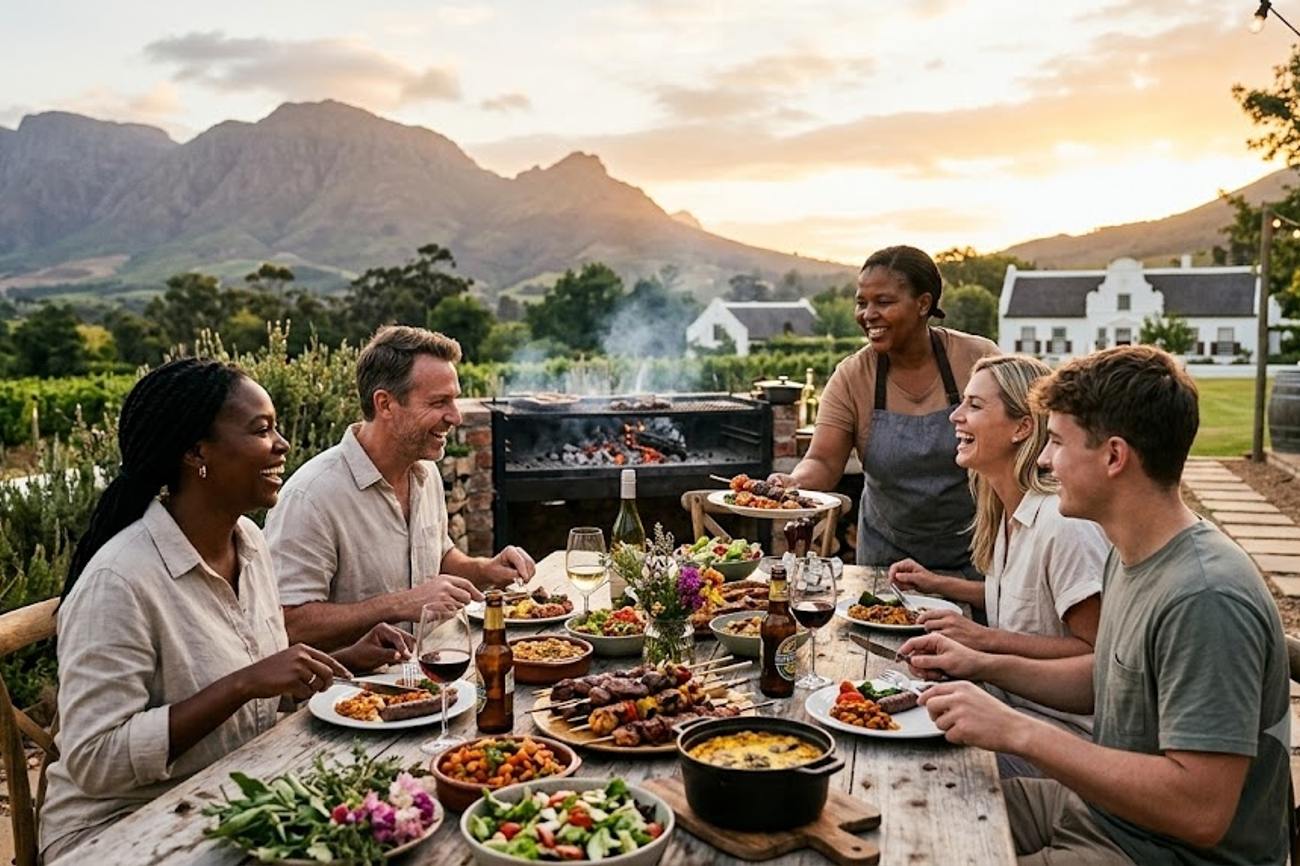
Image generated by AI
title: South Africa Culinary Tourism Expansion 2024 date: 2024-05-22 category: Global Travel tags: [South Africa Tourism, Culinary Travel 2024, Cape Town Gastronomy, South African Food Trail]
[Cape Town, May 2024] — South Africa is aggressively expanding its high-end culinary tourism sector through the launch of the "Food Trail" Season 4, a strategic initiative designed to pivot international traveler interest toward rural "hidden gem" gastronomic hubs.
The initiative, spearheaded by regional tourism boards and local culinary collectives, aims to decentralize travel patterns away from traditional urban centers. By highlighting indigenous ingredients and ancestral cooking techniques, the program seeks to increase overnight stays in underserved provinces and boost the local economy through a curated network of artisanal producers, boutique vineyards, and heritage kitchens.
The Catalyst for Gastronomic Pivot
The shift toward a specialized "Food Trail" comes as a response to a global rise in experiential travel, where passengers prioritize authentic cultural immersion over traditional sightseeing. South Africa is leveraging its diverse biological regions—from the coastal freshness of the Western Cape to the hearty, spice-influenced traditions of KwaZulu-Natal—to create a structured itinerary for luxury and mid-range travelers.
Industry analysts note that the "Season 4" rollout focuses specifically on "hidden gems," moving beyond the well-documented dining scenes of Sandton or the V&A Waterfront. The goal is to integrate small-scale farmers and traditional chefs into the formal tourism economy, ensuring that the financial benefits of international arrivals reach rural communities. This movement aligns with broader sustainability goals outlined by the South African Department of Tourism, which emphasizes community-based tourism as a primary growth engine for the 2024-2025 fiscal year.
The program is not merely a marketing campaign but a logistical overhaul of how culinary tours are managed. It involves the certification of local guides and the standardization of hygiene and service levels across remote locations to meet the expectations of international visitors arriving via Cape Town International Airport (CPT).
Markets and Regions Impacted
The Season 4 expansion targets specific geographic corridors and traveler demographics to maximize economic dispersion. The following regions are the primary focus of the current rollout:
- The Western Cape Hinterlands: Moving beyond the vineyards of Stellenbosch to explore the rugged coastlines and small-town bakeries of the Overberg region.
- The Garden Route Gastronomy: A focus on "sea-to-table" concepts in Knysna and Plettenberg Bay, emphasizing sustainable seafood sourcing.
- The KwaZulu-Natal Midlands: Highlighting the intersection of colonial heritage and Zulu culinary traditions, specifically focusing on organic dairy and artisanal cheese production.
- The Mpumalanga Highlands: Showcasing indigenous flora and fauna used in modern South African fusion cuisine, targeting the eco-conscious luxury traveler.
The primary target audience includes "foodie" nomads, luxury retirees from North America and Europe, and a growing segment of domestic travelers seeking "staycation" experiences that offer cultural education. By diversifying the offerings, South Africa aims to increase the average length of stay per visitor by an estimated 15% to 20% as travelers venture further into the interior to complete the trail.
What This Means for Travelers
For the individual traveler or digital nomad booking a trip to South Africa, this shift translates to a move away from standardized hotel dining toward hyper-local experiences. In plain language: you will find more curated, small-group tours that take you into private homes and remote farms rather than just five-star restaurants.
If you are booking a trip now, expect the following changes:
- Itinerary Shifts: Traditional tours are being replaced by "culinary maps" that encourage self-guided exploration of rural districts.
- Booking Requirements: Because many of these "hidden gems" are small-scale operations, advance reservations are becoming mandatory. You can no longer rely on walk-ins for the most authentic experiences.
- Transport Logistics: Accessing these remote culinary sites often requires a 4x4 vehicle or a specialized local guide, increasing the necessity for pre-arranged private transport over standard rental cars.
- Price Points: While the "hidden gems" may seem rustic, the curated nature of the Food Trail often attracts a premium price tag due to the exclusivity and the logistical effort required to organize these visits.
Essentially, the "Food Trail" transforms a meal from a necessity of travel into the primary destination. Travelers are encouraged to view their itinerary through the lens of ingredients—tracking the journey of a specific wine or a traditional spice from the soil to the plate.
The Road to 2025: Scaling the Experience
The next phase of the Food Trail involves the integration of digital passports and augmented reality (AR) guides. The tourism board intends to launch a mobile interface that allows travelers to "check in" at various culinary landmarks, earning rewards or discounts at partner establishments. This gamification of travel is intended to push tourists into regions they would otherwise ignore.
Furthermore, there is a concerted effort to link these culinary experiences with the South African National Parks (SANParks) network. The vision is to create a "Wild and Well" circuit, where guests can experience high-end wildlife safaris paired with indigenous foraging tours. This synergy between nature and nutrition is expected to position South Africa as a global leader in "wellness tourism."
By the end of 2024, the program expects to have onboarded over 500 new small-scale vendors. This expansion will require significant infrastructure investment in rural roads and reliable internet connectivity to allow these remote vendors to handle international bookings and digital payments.
FAQ: South Africa Food Trail 2024
Do I need a specialized tour operator to access the Food Trail? While self-guided exploration is encouraged via official maps, using a certified culinary guide is recommended for rural areas. Guides provide essential cultural context and handle the logistics of visiting private farms and heritage kitchens.
Is the Food Trail accessible for budget travelers? Yes. While the "Season 4" marketing emphasizes luxury, the trail includes a wide spectrum of experiences, from high-end vineyards to street-food markets and community-run kitchens that are affordable for all budgets.
Are there dietary restrictions handled on these rural trails? Most certified vendors on the Food Trail are trained to handle common allergies and dietary preferences (vegan, gluten-free). However, because these are remote locations, it is critical to communicate requirements at the time of booking.
Which city is the best starting point for the Food Trail? Cape Town remains the primary gateway due to its proximity to the Western Cape's culinary hubs, but Johannesburg and Durban are increasingly viable starting points for those focusing on the interior and coastal trails.
The plate is the new map for the modern explorer.
Related Travel Guides
Disclaimer
This article is for informational and educational purposes only. It does not constitute legal, financial, or professional advice. While we strive to provide accurate and up-to-date information, travel policies, regulations, and conditions change rapidly. Always verify information with official sources before making travel decisions. Nomad Lawyer makes no representations about the accuracy, reliability, completeness, or suitability of the information provided. Readers should consult qualified professionals for advice specific to their circumstances. The views expressed in this article are those of the author and do not necessarily reflect the views of Nomad Lawyer.
Raushan Kumar
Founder & Lead Developer
Full-stack developer with 11+ years of experience and a passionate traveller. Raushan built Nomad Lawyer from the ground up with a vision to create the best travel and law experience on the web.
Learn more about our team →