
Ho Chi Minh City Unlocks Global Tourism Potential Through Vietnam’s New Urban Development Vision
Ho Chi Minh City Unlocks Global Tourism Potential Through Vietnam’s New Urban Development Vision

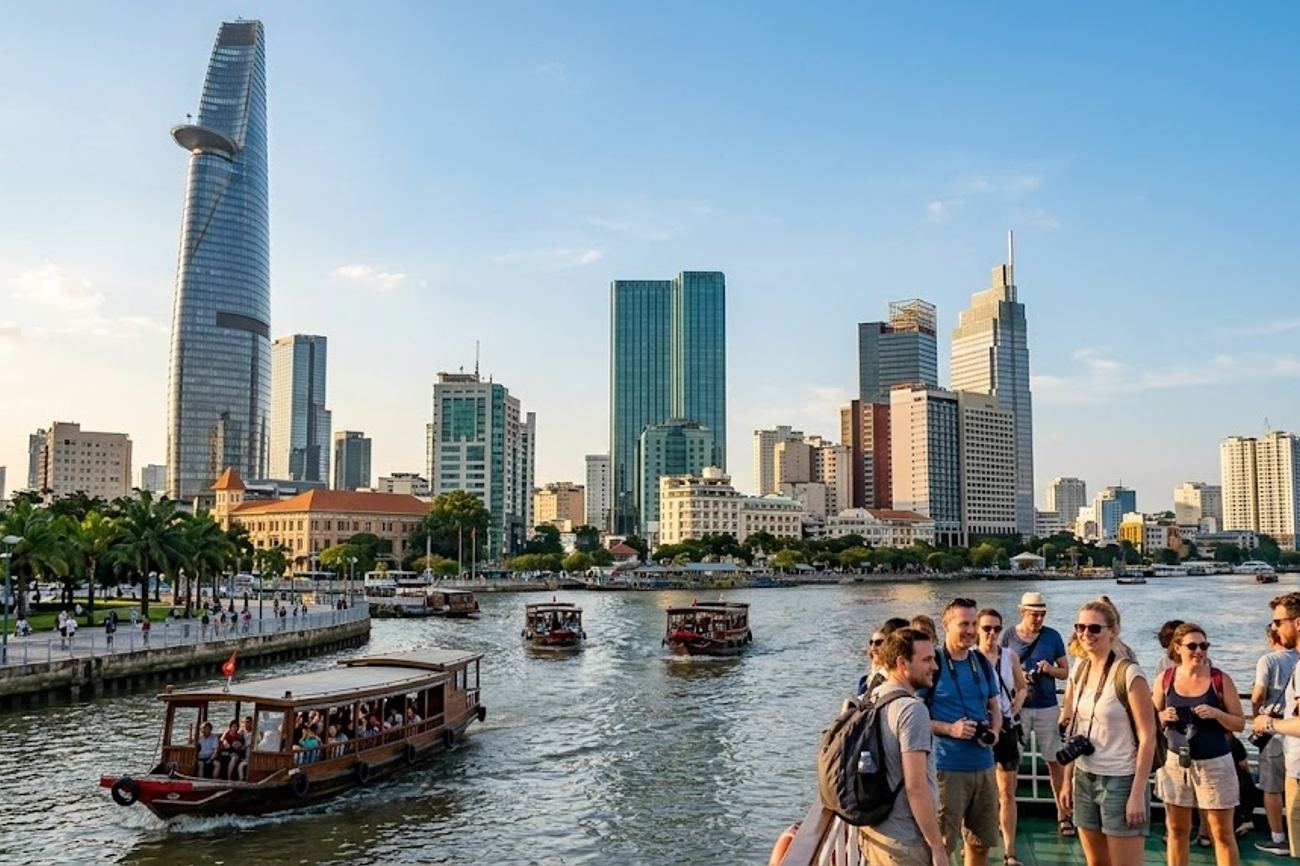
Image generated by AI
A singular shift in urban governance through the new Urban Development Law is now repositioning Ho Chi Minh City as a "future megacity," moving away from static site-seeing toward an integrated urban ecosystem. This legislative pivot signals a transition where tourism is no longer treated as a siloed industry but as a byproduct of overall urban quality, connectivity, and economic vitality. By decentralizing policymaking and introducing pilot programs in science, digital transformation, and culture, the city is attempting to synchronize its infrastructure with the expectations of the modern global traveler.
The Legislative Pivot Toward Integrated Urbanism
The catalyst for this transformation is the Urban Development Law, a regulatory framework that grants Ho Chi Minh City unprecedented flexibility in how it manages its growth. Unlike previous tourism strategies that focused on the promotion of specific landmarks, this new law emphasizes a holistic model. The goal is to leverage the city's existing assets—specifically its complex waterways, trade networks, and historical heritage—and convert them into systemic competitive advantages.
This shift toward decentralization allows the city to implement "pilot programs." In practical terms, this means the municipal government can test new regulations regarding digital transformation and cultural sports without the friction of national-level bureaucratic delays. For the traveler, this suggests a city that will evolve more rapidly, with smarter integration of technology into the visitor experience and a more agile approach to urban management.
The philosophy here is clear: a destination is not a collection of hotels and museums built beside a city; it is the city itself. By improving the baseline quality of life for residents—cleaner streets, better public spaces, and more efficient governance—the city automatically elevates the value proposition for the international visitor.
Connectivity and the Transit-Oriented Development Model
A central pillar of this vision is the implementation of Transit-Oriented Development (TOD). This model integrates high-capacity transport infrastructure with commercial hubs and public services, effectively redesigning how a visitor navigates the megacity. The rollout of the metro networks is the primary engine for this change.
Rather than merely reducing commute times for workers, the metro system is being positioned as a tourism catalyst. By linking disparate neighborhoods, the city is creating new, accessible routes to previously overlooked areas. This connectivity is expected to redistribute tourist traffic away from the saturated city center and toward:
Ho Chi Minh City is poised to become a major tourism hub with Vietnam's new urban development vision, which aims to enhance infrastructure and amenities for visitors. According to the Vietnam National Administration of Tourism, the city is expected to see a significant increase in tourist arrivals, driven by its rich cultural heritage and vibrant entertainment scene. As part of this initiative, the city is investing in new transportation systems and facilities to improve passenger logistics.
| Target Zone | Strategic Tourism Objective | Expected Impact |
|---|---|---|
| Cultural Districts | Preservation of local identity | Increased footfall for niche museums and galleries |
| Food Destinations | Diversification of culinary maps | Growth of neighborhood-level dining economies |
| Heritage Areas | Historical contextualization | Reduced congestion at primary landmarks |
| Entertainment Zones | Expansion of nightlife/leisure | Higher overnight stay durations |
| Creative Spaces | Promotion of modern Vietnamese art | Attraction of "digital nomad" and professional demographics |
By making the city easier to navigate, Ho Chi Minh City is lowering the barrier to entry for "deep travel"—the act of exploring beyond the primary tourist circuit. This democratization of access benefits small businesses and local communities that previously existed on the periphery of the tourism economy.
Expert Analysis: The Macro-Economic Ripple Effect
From a senior editorial perspective, the most significant aspect of this plan is not the metro or the riverside dining, but the synergy between business growth and leisure tourism. The city is intentionally fostering an environment that attracts international corporations, investors, and creative professionals.
For travelers booking trips to Vietnam, the direct consequence of this strategy is a shift in the "type" of tourism available. As the city strengthens its role as a regional economic hub, we will see a surge in MICE (Meetings, Incentives, Conferences, and Exhibitions) tourism. This creates a virtuous cycle: business travelers demand high-end hospitality and diverse entertainment, which in turn funds the development of the very infrastructure that leisure tourists enjoy.
The pricing pressure created by this shift will likely lead to a bifurcation of the market. We can expect a rise in premium, luxury-integrated urban experiences catering to the corporate elite, while the improved public transport (TOD) will make the city more affordable and accessible for budget-conscious explorers.
The development of Ho Chi Minh City's tourism industry is also being supported by major airlines, such as Vietnam Airlines, which offers a range of flights to and from the city's Tan Son Nhat International Airport, with more information available on the Vietnam Airlines website. To cater to the growing number of tourists, the airport is undergoing expansion and modernization, with details on the project available on the Airports Corporation of Vietnam website. This will enable the city to handle more passengers and provide a better travel experience for visitors.
Furthermore, the focus on "water-based urban development" is a strategic move to diversify the city's identity. By integrating the Vietnam National Administration of Tourism goals with urban planning, the city is attempting to mirror the success of other global river-cities. This reduces the reliance on the "downtown" model and creates a more resilient tourism economy that can withstand localized disruptions.
Key Takeaways
- Legislative Flexibility: The Urban Development Law allows for decentralized, pilot-based governance in tech and culture, accelerating the modernization of the visitor experience.
- TOD Strategy: The shift toward Transit-Oriented Development uses the metro system to push tourism into diverse neighborhoods, benefiting local micro-economies.
- Blue Economy: A new emphasis on riverside and coastal infrastructure aims to transform waterways into primary tourism assets rather than just transport channels.
- Economic Synergy: The city is leveraging international business investment to drive the demand for higher-quality hospitality and service standards.
- Identity Preservation: The strategy balances high-tech infrastructure with the preservation of authentic street life and heritage to avoid "generic city" syndrome.
FAQ: Ho Chi Minh City Urban Evolution 2024-2026
How will the new metro system change my visit to Ho Chi Minh City? It will allow you to bypass heavy surface traffic and reach cultural and culinary districts outside the center more quickly. Expect new "tourism routes" that connect heritage sites with modern creative hubs.
Is the city becoming too corporate for authentic travel? While the city is attracting more international business, the Urban Development Law specifically includes the protection of cultural heritage and creative industries to ensure the "authentic" street-level experience remains intact.
What are the new "water-based" attractions to look for? Keep an eye on developed riverside leisure zones, waterfront dining districts, and integrated coastal connections that move beyond the traditional downtown river cruises.
Will these changes affect travel costs? Infrastructure improvements often lead to higher prices in developed zones, but the expanded transport network makes it easier and cheaper for travelers to find affordable, high-quality options in outlying neighborhoods.
The megacity is no longer just a destination; it is becoming the attraction.
Tags: Ho Chi Minh City, Vietnam Tourism, Transit-Oriented Development, Urban Development Law, Southeast Asia Infrastructure, MICE Tourism Vietnam
Related Travel Guides
- New Zealand Restores UAE Travel Confidence As Dubai Tourism Roars Back With Strong Visitor Growth
- British Airways Unveils Powerful Tanzania Travel Expansion With New Routes And Global Network Boost For 2027
- Croatia Travel Uncovers Stunning Split Getaway With Historic Wonders, Sunlit Beaches And Perfect Autumn Weather
Disclaimer
This article is for informational and educational purposes only. It does not constitute legal, financial, or professional advice. While we strive to provide accurate and up-to-date information, travel policies, regulations, and conditions change rapidly. Always verify information with official sources before making travel decisions. Nomad Lawyer makes no representations about the accuracy, reliability, completeness, or suitability of the information provided. Readers should consult qualified professionals for advice specific to their circumstances. The views expressed in this article are those of the author and do not necessarily reflect the views of Nomad Lawyer.
Kunal K Choudhary
Co-Founder & Contributor
A passionate traveller and tech enthusiast. Kunal contributes to the vision and growth of Nomad Lawyer, bringing fresh perspectives and driving the community forward.
Learn more about our team →