
Experience the Magic of Oman’s Sarb Season: Why Dhofar’s Post-Monsoon Paradise is Your Ultimate 2026 Escape
Experience the Magic of Oman’s Sarb Season: Why Dhofar’s Post-Monsoon Paradise is Your Ultimate 2026 Escape

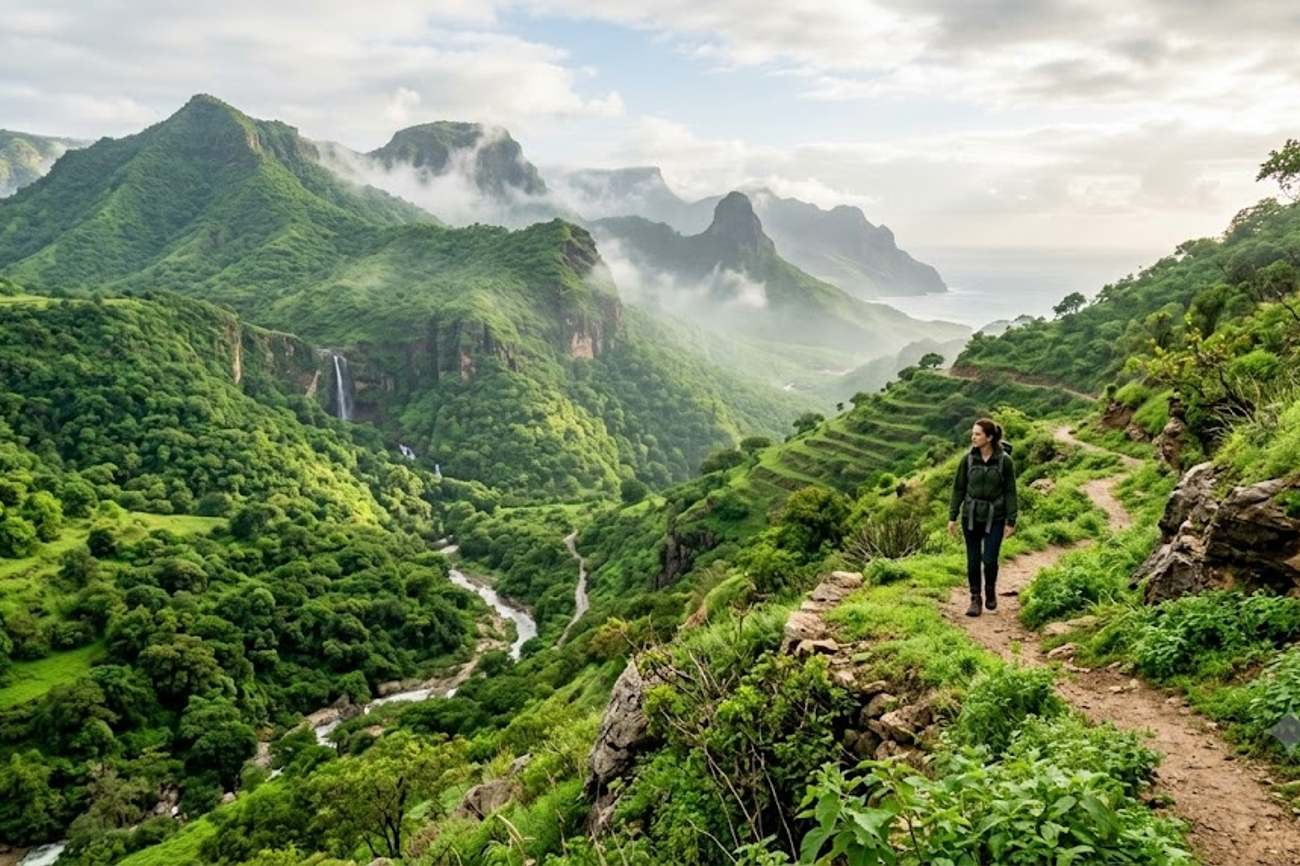
Image generated by AI
[Salalah, September 2024] — The Sultanate of Oman has entered the "Sarb" season, a critical meteorological transition in the Dhofar Governorate that marks the end of the Khareef monsoon and the beginning of a high-value "shoulder" travel window.
This astronomical shift transforms the southern Arabian Peninsula from a region of heavy precipitation and dense fog into a landscape of clear skies and stabilized temperatures. The period serves as a strategic bridge between the monsoon rains and the dry winter months, attracting a specific demographic of luxury and nature-focused travelers seeking to avoid the peak-season crowds of the summer months.
The Meteorological Shift of Sarb
The transition to Sarb is dictated by precise astronomical movements that alter the behavior of the Arabian Sea and the southern Omani coastline. This period is characterized by a gradual dissipation of the heavy cloud cover associated with the Khareef, allowing for a unique atmospheric balance where the land retains deep soil moisture while receiving consistent, direct sunlight.
According to data provided by the Civil Aviation Authority (CAA), temperatures during the Sarb window stabilize between the mid-20s and low 30s Celsius. This shift represents a significant departure from the oppressive heat found in neighboring Gulf states, positioning Dhofar as a temperate sanctuary. The dense fog typical of the monsoon is replaced by light morning mists that typically evaporate by midday, resulting in unbroken sunshine and high visibility.
The Ministry of Heritage and Tourism reports that this specific window is increasingly targeted by "discerning travelers"—those who prioritize solitude and environmental exploration over the mass tourism experienced during the height of the monsoon. The interaction between the lingering moisture and increased solar radiation triggers a surge in local flora, creating a vivid green contrast against the region's limestone cliffs.
Ecological Metamorphosis in Dhofar
The Sarb season triggers a rapid biological response across the Dhofar topography. The region's wadis (seasonal streams) remain active, fed by subterranean springs and aquifers that were fully replenished during the preceding monsoon.
Wadi Darbat serves as the primary example of this transformation. The violent waterfalls of the Khareef slow into tranquil, mirror-like pools, surrounded by dense vegetation. This stabilization of water flow creates a critical habitat for local wildlife and grazing livestock, including cattle and camels, presenting a pastoral landscape that deviates sharply from the arid desert imagery typically associated with the Arabian Peninsula.
Environmental monitoring from the Environment Authority indicates that Sarb is a vital window for biodiversity. The coastal lagoons and inland sabkhas become primary hubs for migratory birds, drawing ornithologists to the region. This ecological productivity extends to the agricultural sectors of Salalah, where the microclimate supports the harvest of:
- Tropical fruits including papayas, bananas, and coconuts.
- The globally prized Dhofari frankincense, which relies on this specific moisture-sunlight balance to thrive.
Impact on Cultural and Heritage Tourism
The reduction in tourist volume during Sarb allows for a shift toward "slow travel" and immersive cultural engagement. Major historical sites, which are often congested during the monsoon peak, become accessible for contemplative exploration.
The "Land of Frankincense" sites, which maintain UNESCO World Heritage status, are the primary beneficiaries of this seasonal shift. Travelers can now access the archaeological ruins of Sumhuram and the ancient port of Al Baleed without the constraints of heavy crowds.
Government initiatives are currently pushing for a sustainable tourism model during this window. By encouraging visitors to engage with local artisan markets and heritage villages, the Omani government aims to distribute economic benefits more evenly across the local community. This period also allows for a unique culinary experience, as visitors can sample local dishes infused with wild herbs that only sprout during this specific post-monsoon window.
Practical Traveler Advisory and Strategic Insights
For the modern nomad or luxury traveler, the arrival of Sarb changes the logistical requirements and the overall experience of visiting southern Oman.
Logistical Adjustments: Travelers should move away from monsoon-specific gear (heavy rainwear) and instead adopt a layering strategy. While afternoons are warm and sunny, the mountain passes can experience brisk, cool breezes in the early mornings.
Transportation Requirements: While main highways are paved, the Sarb season is the optimal time for off-road exploration. The Ministry of Heritage and Tourism and local operators strongly recommend the rental of four-wheel-drive (4WD) vehicles. This is essential for accessing remote wadis, hidden mountain passes, and coastal cliffs that remain accessible due to the receding rains but are unreachable by standard sedans.
Accommodation Trends: There is a noted surge in demand for boutique eco-lodges and luxury resorts in Salalah. Because these properties cater to a smaller, high-net-worth regional clientele who understand the value of the Sarb window, early booking is now mandatory to secure placement.
Environmental Ethics: Visitors are expected to adhere to strict guidelines within protected nature reserves. The post-monsoon ecosystem is fragile; therefore, supporting local artisan cooperatives and following "leave no trace" principles is emphasized by the Environment Authority.
The Path Toward Winter
As Sarb progresses, the region will gradually move toward the dry winter season. The vibrant greens of the Dhofar mountains will slowly fade as the soil moisture evaporates, and the temperature will drop further. For those planning a Middle Eastern itinerary, the Sarb window represents the final opportunity to witness the "Green Arabia" phenomenon before the landscape returns to its arid state.
The transition is not merely aesthetic but economic. The harvest of tropical fruits and frankincense during this time fuels the local markets, making it the most authentic time for travelers to experience the region's trade heritage.
FAQ: Visiting Dhofar during Sarb 2024
When exactly is the Sarb season? Sarb is the astronomical shoulder season that follows the Khareef monsoon. It bridges the gap between the heavy rains of summer and the dry winter, characterized by clearing skies and stabilized temperatures.
What is the best way to get around Salalah during Sarb? A 4WD vehicle is highly recommended. While the city is accessible by car, the best natural sites—including remote wadis and mountain cliffs—require off-road capabilities.
What should I pack for a Sarb trip? Pack light, breathable clothing for the sunny afternoons and light layers (sweaters or light jackets) for the cooler morning breezes in the highlands.
Are the UNESCO sites open during this time? Yes. Sites like Al Baleed and Sumhuram are open and are actually more pleasant to visit during Sarb due to the lack of monsoon crowds and improved visibility.
Experience the quiet transition of the south before the desert returns.
Related Travel Guides
- United States Joins France and More Countries Participating at UN General Assembly Brings More Business Travel, Hotel Demand and Aviation Pressure to New York
- Ho Chi Minh City Unlocks Global Tourism Potential Through Vietnam’s New Urban Development Vision
- New Zealand Restores UAE Travel Confidence As Dubai Tourism Roars Back With Strong Visitor Growth
Disclaimer
This article is for informational and educational purposes only. It does not constitute legal, financial, or professional advice. While we strive to provide accurate and up-to-date information, travel policies, regulations, and conditions change rapidly. Always verify information with official sources before making travel decisions. Nomad Lawyer makes no representations about the accuracy, reliability, completeness, or suitability of the information provided. Readers should consult qualified professionals for advice specific to their circumstances. The views expressed in this article are those of the author and do not necessarily reflect the views of Nomad Lawyer.
Kunal K Choudhary
Co-Founder & Contributor
A passionate traveller and tech enthusiast. Kunal contributes to the vision and growth of Nomad Lawyer, bringing fresh perspectives and driving the community forward.
Learn more about our team →