
Malaysia Along With UAE As Strategic Tourism Partners Unlock New Gulf Travel Growth Through Aviation And Marketing Cooperation
Malaysia Along With UAE As Strategic Tourism Partners Unlock New Gulf Travel Growth Through Aviation And Marketing Cooperation

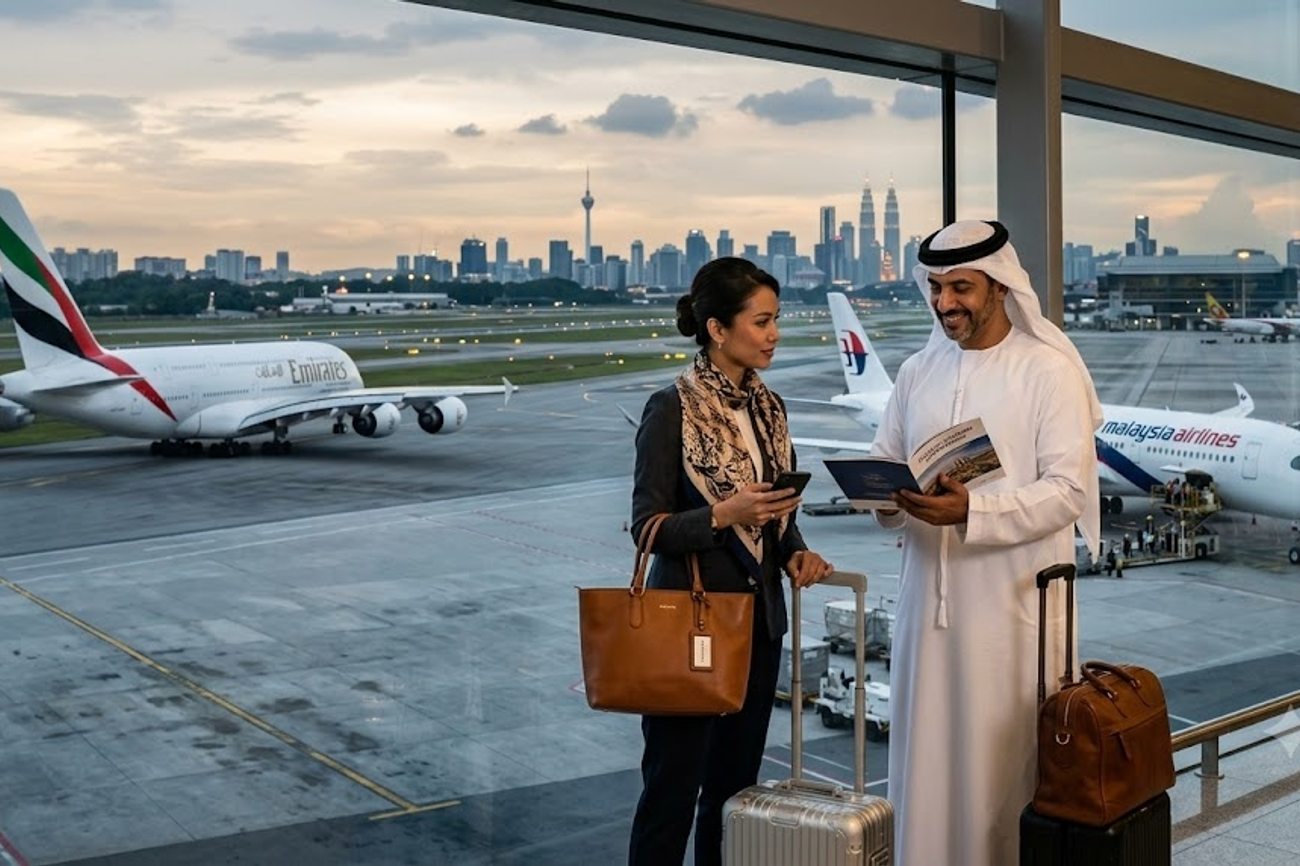
Image generated by AI
[Dubai, September 2026] — Malaysia is aggressively expanding its aviation and tourism footprint across the Gulf Cooperation Council (GCC) region through a series of strategic partnerships designed to surge visitor numbers for the Visit Malaysia 2026–2027 campaign. The initiative centers on leveraging the massive transit hubs of the UAE and Qatar to funnel high-net-worth travelers and families from the Middle East, Europe, and Africa into Southeast Asia.
The expansion follows a high-level working visit to Dubai, where Malaysian tourism officials and aviation stakeholders finalized frameworks to increase flight connectivity and launch joint marketing efforts. By integrating Malaysian destinations into the global distribution networks of the Gulf's most powerful carriers, Kuala Lumpur aims to position itself as the primary Asian gateway for luxury and experience-focused travelers.
The Dubai Strategic Pivot
The immediate catalyst for this shift is Malaysia's need to diversify its tourism source markets ahead of the Visit Malaysia 2026–2027 initiative. By establishing a formal bridge between the Malaysian tourism board and Gulf aviation giants, the country is moving away from traditional marketing and toward a model of "integrated access," where the airline is the primary promotional vehicle.
During the Dubai summit, Malaysian representatives focused on three primary pillars: increasing the frequency of flights, enhancing destination awareness via in-flight and airport media, and creating tailored travel packages for the GCC demographic. The goal is to transform the UAE and Qatar from mere transit points into active engines of growth for the Malaysian economy.
Markets and Carriers Impacted
The cooperation involves a coordinated effort across multiple sovereign states and the world's most connected airlines. The focus is specifically on the "high-value" traveler segment—those seeking premium accommodations and extended stays.
Primary Airline Partners:
- Emirates (Dubai Hub)
- Qatar Airways (Doha Hub)
- Etihad Airways (Abu Dhabi Hub)
- Air Arabia
- Gulf Air
Target GCC Source Markets:
- United Arab Emirates
- Saudi Arabia
- Qatar
- Kuwait
- Bahrain
- Oman
Key Malaysian Destination Hubs:
- Kuala Lumpur (Urban/Shopping)
- Langkawi (Luxury/Beach)
- Penang (Culture/Gastronomy)
- Sabah and Sarawak (Nature/Adventure)
Practical Traveler Advisory and Strategic Insights
For the average traveler, this partnership translates into a tangible change in how they book and experience trips to Southeast Asia. The "corporate speak" of "increased connectivity" and "joint marketing" means the following practical changes:
1. More Flight Options and Better Pricing As airlines like Emirates and Qatar Airways strengthen their ties with Malaysia, passengers can expect more frequent flight schedules and potentially more competitive pricing due to increased capacity. The integration of these carriers means fewer layover headaches and more streamlined booking processes for those traveling from the Middle East or connecting through the Gulf from Europe.
2. Tailored "Halal-Friendly" Luxury Packages The GCC market has specific requirements regarding family privacy, luxury standards, and Halal-certified services. Travelers will see a rise in curated packages that bundle luxury resorts in Langkawi or wellness retreats in Sabah with seamless flights. This removes the friction of planning a multi-city Asian itinerary.
3. Enhanced In-Transit Promotion Travelers passing through Dubai International or Hamad International Airport will encounter aggressive promotional campaigns for Malaysia. This includes targeted offers, "stopover" incentives, and integrated travel bundles that make a detour to Malaysia more appealing than a direct flight to other Asian hubs.
The Road to Visit Malaysia 2027
The timeline for this expansion is tightly coupled with the Visit Malaysia 2026–2027 campaign. The government is not merely looking for a spike in arrivals but a fundamental shift in the type of visitor. By targeting the GCC, Malaysia is chasing higher average spend per visitor.
A critical component of this strategy is the signing of Memorandums of Understanding (MoUs) between Tourism Malaysia and both Emirates and Qatar Airways. These legal frameworks mandate joint destination promotion and the creation of airline-supported travel programs. This means the airlines are now active stakeholders in Malaysia's tourism success, rather than just service providers.
The data already suggests a growing appetite for this corridor. Between January and June 2026, Malaysia recorded 30,257 visitors specifically from the GCC region. The current aviation push is designed to multiply this figure by removing the barriers of flight availability and destination anonymity.
Furthermore, the strategy utilizes the "Hub-and-Spoke" model. Because the Dubai Airports and Doha hubs connect passengers from Africa and Europe, Malaysia is effectively using the GCC as a springboard to reach markets it cannot easily access via direct flights. A traveler from Nairobi or Marseille is now more likely to see Malaysia as a viable destination because the "middle leg" of the journey is being optimized.
FAQ: Malaysia-GCC Travel 2026
Will there be more direct flights from the GCC to Malaysia? Yes. The current partnerships with Emirates, Qatar Airways, and Etihad are specifically aimed at increasing air connectivity and frequency to make Malaysia more accessible to Middle Eastern travelers.
What makes Malaysia a target for GCC travelers? Malaysia offers a combination of luxury resorts, family-friendly environments, and extensive Halal-friendly infrastructure, which aligns with the preferences of high-net-worth travelers from the Gulf region.
How does the Visit Malaysia 2026–2027 campaign affect me? Travelers can expect more bundled travel packages, increased promotional discounts through partner airlines, and a wider array of luxury and wellness tourism options across the country.
Can non-GCC residents benefit from these partnerships? Absolutely. Because Gulf airlines connect Europe and Africa to Asia, travelers from those regions will find more streamlined connections and promotional offers for Malaysia when flying via Dubai or Doha.
The bridge between the Gulf and Southeast Asia is no longer just about transit; it is now a strategic economic corridor.
#MalaysiaTourism #GCCTravel #Emirates #QatarAirways #VisitMalaysia2026 #KUL-DXB
Related Travel Guides
Disclaimer
This article is for informational and educational purposes only. It does not constitute legal, financial, or professional advice. While we strive to provide accurate and up-to-date information, travel policies, regulations, and conditions change rapidly. Always verify information with official sources before making travel decisions. Nomad Lawyer makes no representations about the accuracy, reliability, completeness, or suitability of the information provided. Readers should consult qualified professionals for advice specific to their circumstances. The views expressed in this article are those of the author and do not necessarily reflect the views of Nomad Lawyer.
Raushan Kumar
Founder & Lead Developer
Full-stack developer with 11+ years of experience and a passionate traveller. Raushan built Nomad Lawyer from the ground up with a vision to create the best travel and law experience on the web.
Learn more about our team →