
India Travel Boom Lifts Temple Towns as Hanoi and Da Nang Searches Surge Among Indian Tourists
India Travel Boom Lifts Temple Towns as Hanoi and Da Nang Searches Surge Among Indian Tourists

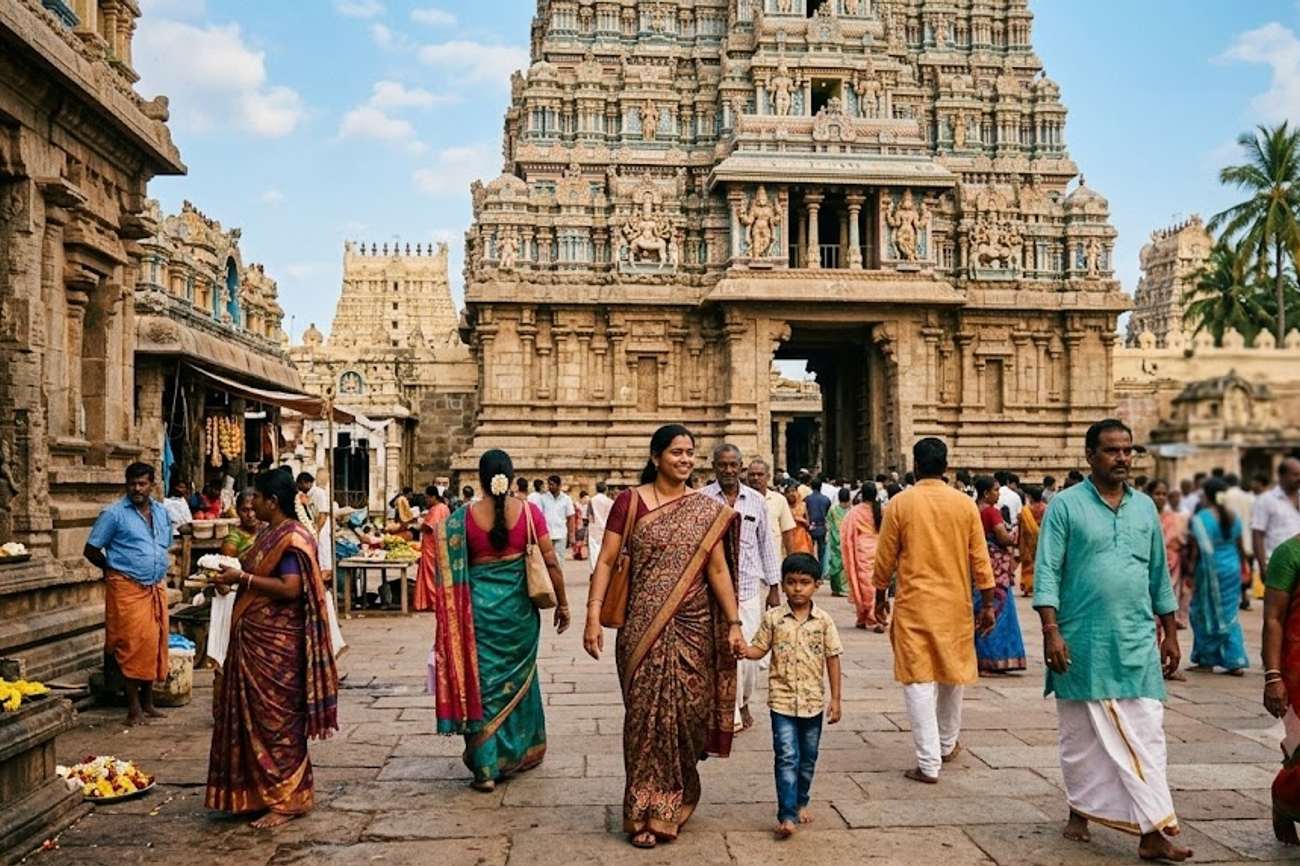
Image generated by AI
Indian spiritual travel intentions now lead all Asian markets at 19%, outpacing Indonesia and Malaysia, while domestic accommodation searches for hybrid nature-faith destinations like Pachmarhi have surged nearly sevenfold year-over-year. This shift indicates a fundamental pivot in consumer behavior: the traditional "pilgrimage" is being absorbed into the broader "leisure" category, transforming religious journeys into multi-dimensional vacations.
The Spiritual Pivot in Numbers
The current trajectory of Indian tourism is defined by a convergence of faith and leisure. According to Agoda’s 2026 Travel Outlook, 19% of Indian respondents explicitly integrate spiritual or religious experiences into their travel planning. This metric is the highest among all surveyed Asian markets, positioning India ahead of Indonesia (ranked second) and Malaysia (ranked third), with Japan and Thailand following.
The domestic data for September travel reveals an aggressive acceleration in specific hubs. Pachmarhi, a hill station in Madhya Pradesh, has seen accommodation searches increase by nearly 7x compared to the same period last year. This is not an isolated spike but part of a wider regional trend in Madhya Pradesh, where Ujjain—home to the Mahakaleshwar Jyotirlinga—witnessed searches nearly triple year-over-year.
The data suggests a geographical dispersion of demand. Rather than concentrating in a single corridor, growth is distributed across the subcontinent:
- East: Puri searches doubled (2x) year-over-year, bolstered by a 68% increase in family accommodation searches during the May-June window.
- North: Varanasi recorded a 44% increase in search volume.
- South: Tirupati saw a 29% rise in accommodation interest.
This pattern confirms that the "spiritual economy" is no longer a niche segment but a primary driver of domestic hotel occupancy and transport demand.
Comparative Market Analysis: Domestic vs. Outbound
When analyzing these shifts, a clear pattern emerges: Indian travelers are seeking "blended itineraries." Whether domestic or international, the preference is for destinations that offer a spiritual anchor alongside leisure amenities.
The following table breaks down the search growth and the specific "value proposition" driving the increase for September travel:
| Destination | Region | Search Growth (YoY) | Primary Value Proposition |
|---|---|---|---|
| Pachmarhi | India (Central) | Nearly 7x | Nature + Jatashankar Temple |
| Ujjain | India (Central) | Nearly 3x | Major Hindu Pilgrimage Hub |
| Puri | India (East) | 2x | Coastline + Jagannath Temple |
| Varanasi | India (North) | +44% | Spiritual Heritage + Ganges Ghats |
| Tirupati | India (South) | +29% | Sri Venkateswara Temple |
| Hanoi | Vietnam | +58% | Urban Culture + Heritage |
| Da Nang | Vietnam | +50% | Buddhist Sites + Beaches |
| Kuala Lumpur | Malaysia | +35% | Multiculturalism + Urban Hub |
| Bali | Indonesia | +24% | Nature + Spiritualism |
The outbound data reveals a strategic shift toward Vietnam. The 58% surge in Hanoi searches and 50% increase in Da Nang searches suggest that Indian travelers are diversifying their Southeast Asian portfolio. While Bali remains a staple (+24%), the rapid growth in Vietnam indicates a desire for destinations that mirror the "blended" domestic experience—where one can visit the Linh Ung Pagoda in Da Nang and then transition to a beach resort or the historic streets of Hoi An.
This behavior aligns with broader regional movements tracked by the World Tourism Organization (UNWTO), which notes a global rise in "slow travel" and cultural immersion.
Practical Traveler Advisory and Strategic Insights
The data indicates that the "off-season" for spiritual hubs is disappearing. Because these sites are now being marketed as leisure destinations, demand is peaking outside of traditional religious calendars.
1. Booking Windows for Central India: If you are planning a visit to Madhya Pradesh (specifically Pachmarhi or Ujjain), the 7x and 3x search surges suggest that hotel inventory will tighten rapidly. Travelers should now book 12-16 weeks in advance, as these towns often lack the massive hotel infrastructure found in metros like Delhi or Mumbai.
India's temple towns are experiencing a surge in tourism, with many Indians opting for domestic travel to explore the country's rich cultural heritage. According to the Indian Ministry of Tourism, the government has launched several initiatives to promote tourism in these towns, including infrastructure development and marketing campaigns. As a result, destinations like Varanasi and Amritsar are witnessing a significant increase in tourist arrivals.
2. The Vietnam Strategy: With search interest for Hanoi and Da Nang climbing by 58% and 50% respectively, these routes are becoming high-density corridors for Indian passport holders. To avoid inflated "peak-demand" pricing, travelers should look toward mid-tier boutique hotels in Da Nang rather than the primary beachfront strips, which are likely to see the highest price volatility.
3. Leveraging Blended Itineraries: For those visiting Puri, the data shows a strong trend in family travel (68% increase in summer searches). This suggests that the region is becoming more family-friendly. Travelers can optimize their budgets by booking "pilgrimage-leisure" packages that combine temple visits with coastal stays, rather than booking two separate trip types.
Forward Projection: The 2026 Cultural Corridor
Based on current trajectory, we are seeing the birth of the "Cultural Corridor" trend. Indian outbound travel is moving away from purely shopping-centric or sightseeing-centric trips toward "meaning-based" travel.
The fact that Malaysia ranks third in Asia for spiritually motivated travel intentions, combined with a 35% search increase for Kuala Lumpur, suggests that the city is being repositioned as a gateway. Travelers are using the urban infrastructure of KL to access the Batu Caves and Sri Maha Mariamman Temple, treating the city as a spiritual basecamp.
We expect to see a continued rise in "Faith-Tech" integration—where digital planning tools and accommodation platforms like Agoda facilitate these complex, multi-stop spiritual journeys. As seen in the IATA reports on passenger flow, the diversification of destinations within Southeast Asia is likely to lead to more direct flight options from secondary Indian cities to hubs like Hanoi and Da Nang by 2026.
FAQ: Indian Spiritual Travel Trends 2026
Will hotel prices in temple towns like Ujjain and Pachmarhi increase? Yes. With searches increasing by 3x to 7x, demand is significantly outstripping existing supply. Expect higher average daily rates (ADR) and lower vacancy during weekends and festival periods.
Is Vietnam a viable alternative to Bali for spiritual travelers? Absolutely. The 50% search increase for Da Nang shows a shift toward Vietnam's Buddhist heritage and coastal mix, offering a similar "nature-spirituality" balance to Bali but with different cultural markers.
When is the best time to book spiritual-leisure trips in India? Given the surge in "blended" travel, the traditional off-season is shrinking. For high-growth areas like Puri and Varanasi, booking 3 months in advance is now recommended to secure quality accommodation.
Which Southeast Asian city is best for a short cultural break? Kuala Lumpur is the strongest candidate, with a 35% increase in searches and a high concentration of diverse religious sites (Batu Caves, Thean Hou Temple) within an urban environment.
The era of the singular pilgrimage is over; the era of the spiritual vacation has arrived.
Related Travel Guides
Disclaimer
This article is for informational and educational purposes only. It does not constitute legal, financial, or professional advice. While we strive to provide accurate and up-to-date information, travel policies, regulations, and conditions change rapidly. Always verify information with official sources before making travel decisions. Nomad Lawyer makes no representations about the accuracy, reliability, completeness, or suitability of the information provided. Readers should consult qualified professionals for advice specific to their circumstances. The views expressed in this article are those of the author and do not necessarily reflect the views of Nomad Lawyer.
Kunal K Choudhary
Co-Founder & Contributor
A passionate traveller and tech enthusiast. Kunal contributes to the vision and growth of Nomad Lawyer, bringing fresh perspectives and driving the community forward.
Learn more about our team →