
Malaysia Airlines Expands Asian and Pacific Network with Busan Return
Malaysia Airlines is resuming non-stop service to Busan for the first time since 1998, while simultaneously scaling daily operations to Brisbane and Fukuoka.*
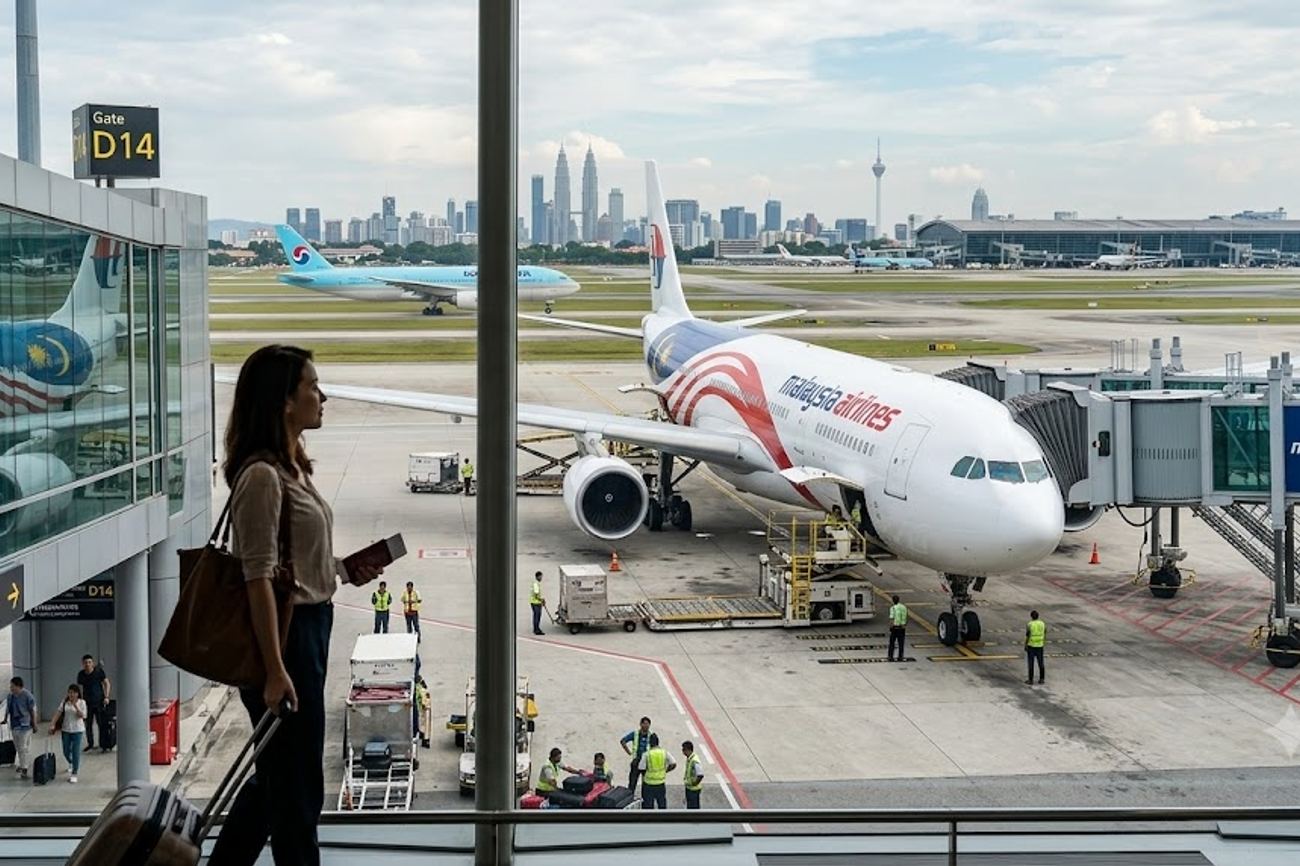
Image generated by AI
The Regional Shift: Strategic Connectivity
Malaysia Aviation Group (MAG) is aggressively recalibrating its footprint across Asia and the Pacific. The most notable move is the return to Busan, South Korea, starting 2 December 2026. Operating four weekly flights (Tuesdays, Wednesdays, Saturdays, and Sundays) via Boeing 737-8 aircraft, Malaysia Airlines will be the sole provider of non-stop connectivity between Kuala Lumpur and Busan.
The expansion extends beyond South Korea. Firefly is preparing to enter the Chinese market with direct services to Kunming using Boeing 737-800 aircraft, opening a gateway to the cultural heritage of Yunnan province.
For established routes, the focus has shifted from mere presence to high-frequency reliability:
- Brisbane: Increasing from six to daily flights starting 25 October 2026, utilizing the new-generation Airbus A330neo.
- Fukuoka: Moving to daily service from 1 December 2026 (following the route's resumption on 2 September 2026).
- Surabaya: Capacity increases from 14 to 16 flights per week starting 1 November 2026.
Cultural & Environmental Value
This network growth is not just about seat capacity; it is a calculated move to support the Visit Malaysia 2026 campaign. By increasing direct access to East Java (Surabaya) and Southwest China (Kunming), MAG is facilitating a deeper exchange of regional heritage and trade.
The real impact for the traveler is a reduction in transit friction. Direct flights to secondary cities like Busan and Kunming encourage "slow travel," allowing visitors to bypass congested primary hubs and engage directly with local economies. To support this growth sustainably, MAG is investing in a massive catering facility near KLIA. Scheduled for completion in the fourth quarter of 2028, this plant will produce 50,000 meals daily—nearly double the current capacity—reducing the carbon footprint associated with outsourced logistics and improving meal-handling efficiency.
Visitor Insider Tips
For those planning trips on these expanded routes, consider these local perspectives:
- Busan (South Korea): To avoid the crowds, visit the Gamcheon Culture Village at sunrise. While Seoul is the commercial heart, Busan offers a more relaxed coastal vibe. Stick to local Jagalchi Market for the freshest seafood.
- Kunming (China): Known as the "Spring City," the weather is mild year-round. Visit the Stone Forest (Shilin) but hire a local guide to navigate the complex geological formations and avoid tourist traps.
- Fukuoka (Japan): Experience the Yatai (open-air food stalls) in Nakasu. These are best visited after 6:00 PM. Remember that many stalls are cash-only and have limited seating; patience is key.
- Cultural Etiquette: When traveling through these regions, carry a small gift or a business card for formal introductions, particularly in South Korea and Japan, where the exchange of cards is a vital social ritual.
Tourism Outlook
The long-term trajectory for MAG is clear: a bid to enter the world’s Top 10 global airlines by 2030. By combining infrastructure (the new catering facility) with targeted route expansion, they are building a scalable model. The shift toward daily frequencies on the Brisbane and Fukuoka routes suggests a permanent increase in demand for premium, direct travel between Southeast Asia and the Asia-Pacific rim.
Explore more regional travel guides:
- [Navigating Southeast Asia's New Aviation Hubs]
- [Sustainable Travel Trends in East Asia]
- [The Digital Nomad's Guide to Kuala Lumpur]
Related Travel Guides
Disclaimer
This article is for informational and educational purposes only. It does not constitute legal, financial, or professional advice. While we strive to provide accurate and up-to-date information, travel policies, regulations, and conditions change rapidly. Always verify information with official sources before making travel decisions. Nomad Lawyer makes no representations about the accuracy, reliability, completeness, or suitability of the information provided. Readers should consult qualified professionals for advice specific to their circumstances. The views expressed in this article are those of the author and do not necessarily reflect the views of Nomad Lawyer.