
UK Tourism Sector Launches Major Accessibility Overhaul to Support Millions of Disabled Travelers
The UK travel industry introduces a comprehensive Accessible and Assisted Travel Guide to remove barriers for disabled travelers and drive commercial growth.
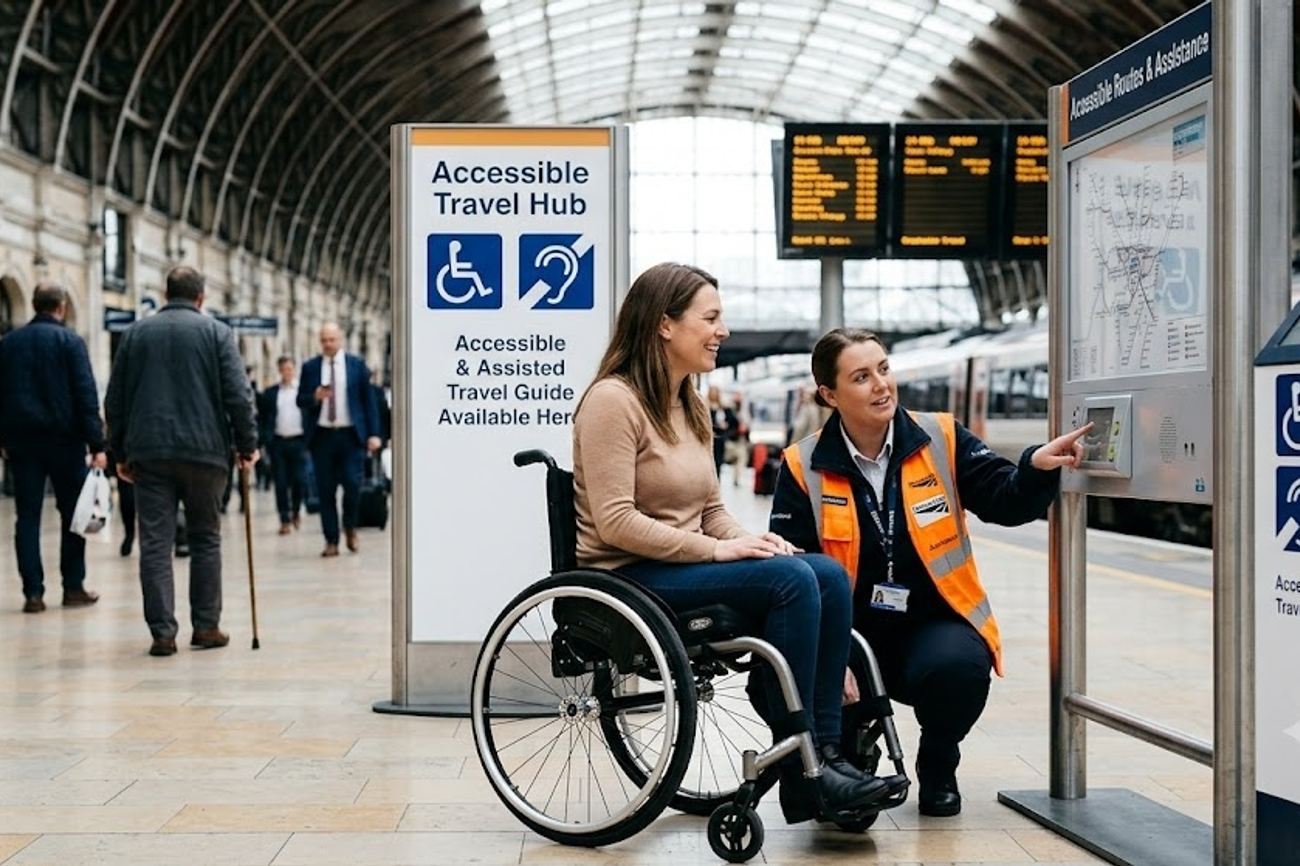
Image generated by AI
[London, July 23, 2026] — The United Kingdom's travel and tourism sector is undergoing a systemic shift toward inclusivity following the release of a comprehensive Accessible and Assisted Travel Guide. This strategic initiative, launched by ABTA, provides a rigorous blueprint for member companies to refine their service delivery for disabled travelers, their companions, and any individuals requiring specialized assistance throughout the travel lifecycle.
The guide is designed to move accessibility from a secondary consideration to a primary operational standard. By integrating inclusive practices into every touchpoint—from the initial digital booking phase to the final return journey—the industry aims to support millions of travelers who have historically faced significant logistical hurdles.
Strategic Framework for Inclusive Tourism
This latest publication marks the second phase of a broader accessibility strategy. It builds upon previous efforts, including the distribution of consumer-facing guidance and a detailed accessibility checklist released earlier this year. The current framework is the result of extensive collaboration between industry regulators, government bodies, destination managers, and private sector partners.
The primary objective is to create a seamless "tourism ecosystem." This means ensuring that accessibility is not fragmented but consistent across airports, airlines, hotels, excursions, and ground transportation. By standardizing these requirements, the industry seeks to reduce the anxiety often associated with disabled travel and ensure that legal obligations are met with precision.
Redefining Accessibility and Assisted Travel
A core component of the new guidance is the critical distinction between "accessibility" and "assisted travel," two concepts that are often conflated but require different operational responses.
According to the guidelines, accessibility is focused on the removal of systemic and physical barriers. This includes eliminating architectural obstacles, such as buildings without elevators, and addressing sensory barriers, such as the lack of quiet zones for neurodiverse passengers in crowded terminals.
Assisted travel, conversely, refers to the active provision of human support. This encompasses personalized booking assistance, airport mobility services, and dedicated customer care. By addressing both the environment (accessibility) and the service (assistance), the framework ensures that travelers maintain their dignity and independence.
The guide specifically emphasizes that disability is not a monolith. It addresses a wide spectrum of needs, including:
- Visible physical disabilities and mobility impairments.
- Non-visible disabilities and chronic illnesses.
- Neurodiversity and cognitive differences.
- Sensory impairments (visual and auditory).
Operational Improvements for Travel Providers
To implement these changes, the guide provides travel businesses with actionable steps to upgrade their customer-facing interfaces. This includes the development of user-friendly websites that meet international accessibility standards and the creation of marketing materials that accurately reflect inclusive options.
The framework encourages a "proactive conversation" model. Rather than waiting for a customer to request help, businesses are urged to initiate discussions about specific needs during the booking process. This allows for the creation of personalized itineraries that eliminate uncertainty and build traveler confidence before they even leave their homes.
Furthermore, the guidance stresses the importance of supply chain synchronization. A travel agent's promise of accessibility is meaningless if the destination hotel or the local transport provider cannot deliver. Therefore, the guide pushes for consistent standards across all third-party suppliers to prevent "service gaps" during a trip.
Commercial Incentives for Inclusive Travel
While the ethical imperative is clear, the guidance also presents a strong business case for inclusivity. Industry data suggests that the accessible travel market represents a massive, underserved commercial opportunity.
Companies that invest in inclusive infrastructure and trained staff are likely to see:
- Increased Customer Loyalty: Travelers with specific needs often exhibit higher brand loyalty to companies that consistently meet their requirements.
- Market Expansion: As global populations age, the demand for assisted travel services is projected to grow significantly.
- Positive Brand Equity: Inclusive practices lead to stronger recommendations within disability communities, driving organic growth.
Future Expansion and Destination Integration
The accessibility program is slated for further evolution. The next phase of the rollout will focus specifically on destination-side suppliers. This will include targeted guidance for hotel operators, local transport companies, and destination management companies (DMCs) to ensure the "last mile" of the journey is as accessible as the first.
Upcoming updates will also integrate health and safety protocols, helping businesses merge accessibility requirements with their broader operational risk management and safety processes.
Susan Deer, Director of Industry Relations at ABTA, stated that accessibility is both a commercial opportunity and an ethical responsibility. She noted that providing clear information and practical guidance is the only way to ensure all customers can travel with total confidence.
Steve Wilson, Accessibility & Assisted Travel Manager at Jet2.com and Jet2holidays, who contributed to the guide's development, emphasized that the goal is to ensure every individual can travel with dignity. He noted that by listening to those with lived experience, the industry can finally remove the barriers that have historically limited global exploration.
Why This Matters: The Real-World Impact
For the average traveler with a disability, this shift represents a move away from "hope-based travel"—where one hopes the hotel room is actually accessible or the airport staff are trained—toward "guaranteed travel."
From a logistical standpoint, the integration of accessibility into the booking phase means fewer last-minute failures and fewer stranded passengers. When a travel agency and a hotel are aligned on a passenger's specific neurodiverse or mobility needs, the risk of operational failure drops. This creates a safer, more predictable environment for the traveler and reduces the cost of emergency remediations for the travel provider.
Ultimately, this initiative signals that the UK travel industry is treating accessibility not as a niche "add-on," but as a fundamental human right and a key driver of future economic growth.
Related Travel Guides
Disclaimer
This article is for informational and educational purposes only. It does not constitute legal, financial, or professional advice. While we strive to provide accurate and up-to-date information, travel policies, regulations, and conditions change rapidly. Always verify information with official sources before making travel decisions. Nomad Lawyer makes no representations about the accuracy, reliability, completeness, or suitability of the information provided. Readers should consult qualified professionals for advice specific to their circumstances. The views expressed in this article are those of the author and do not necessarily reflect the views of Nomad Lawyer.