
Costa Rica Launches Strategic Bid for Cerro Chirripó UNESCO Global Geopark Status
Costa Rica seeks UNESCO Global Geopark status for Cerro Chirripó. Discover how this shift affects tourism, conservation, and access to the 3,820m peak.

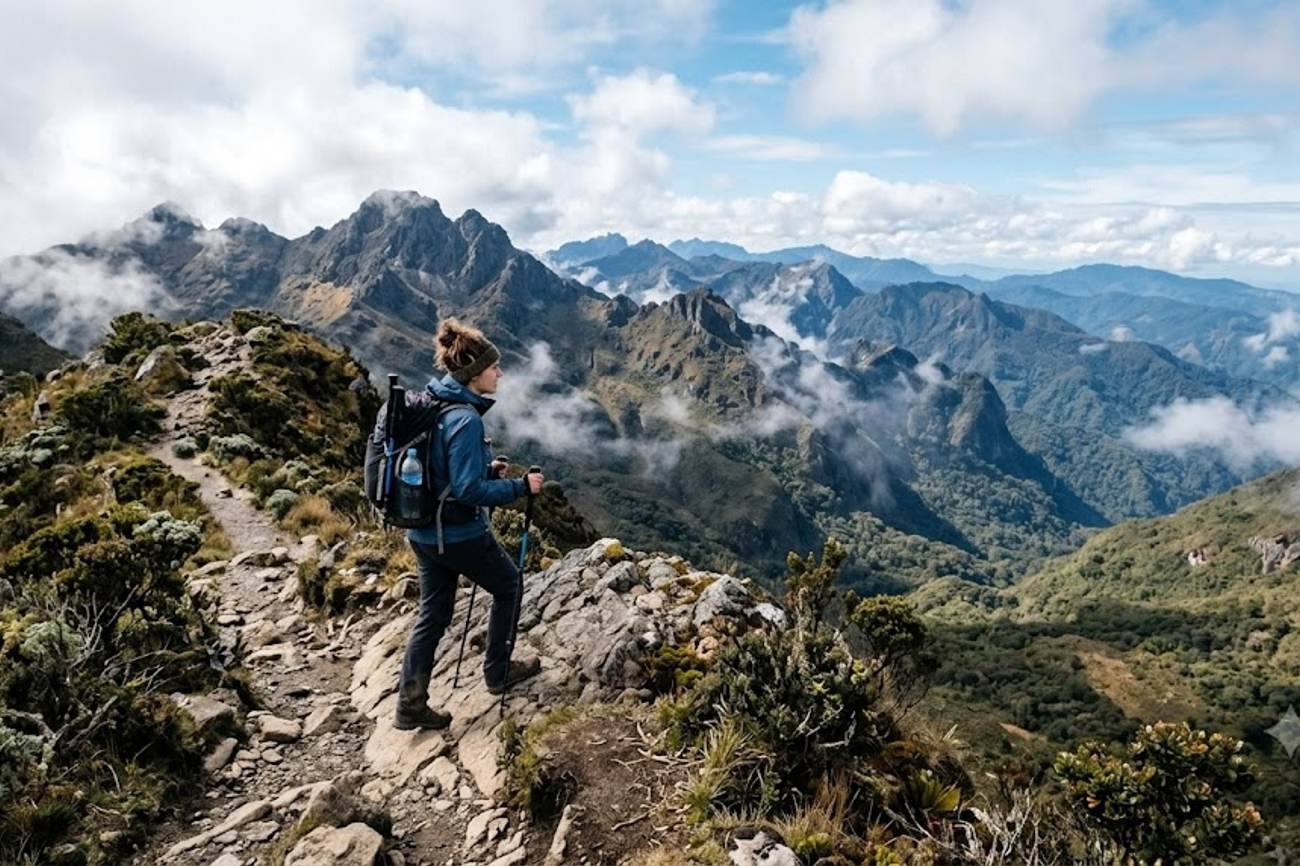
Image generated by AI
Costa Rica Launches Strategic Bid for Cerro Chirripó UNESCO Global Geopark Status
Costa Rica is pursuing a UNESCO Global Geopark designation for Cerro Chirripó to integrate geological preservation with low-impact tourism. This shift aims to protect the nation's highest peak while diversifying the economy of gateway communities.
The Core Development
Government agencies, environmental ministries, and local stakeholders have launched a multi-sector campaign to secure UNESCO Global Geopark status for Cerro Chirripó. Located in the Cordillera de Talamanca, the region is being repositioned as a hub for "geo-tourism," moving away from traditional sightseeing toward a model that emphasizes earth science, community-led development, and strict ecological safeguards.
Unlike the volcanic chains common in northern Costa Rica, Chirripó is a massive granite batholith. The region contains rare evidence of Pleistocene glaciation from approximately 25,000 years ago, including U-shaped valleys and terminal moraines. This unique geological profile is the primary driver for the international recognition bid.
Key Facts Breakdown
- Peak Elevation: 3,820 metres above sea level.
- Geological Feature: Massive granite batholith with Pleistocene glaciation evidence.
- Timeline: Ice sheets covered the region roughly 25,000 years ago.
- Protected Species: Resplendent quetzal, Baird’s tapir, and endemic amphibians.
- Regulatory Body: National System of Conservation Areas (SINAC).
- Primary Gateway Community: San Gerardo de Rivas.
- Management Mandates: Strict visitor caps, mandatory local guides, and carry-in-carry-out waste policies.
Why This Matters (Analysis)
From a logistical perspective, the transition to a UNESCO Global Geopark changes the "product" for the traveler. This is no longer just a hiking destination; it is becoming a managed scientific asset.
For travelers on this route, the real impact is a significant tightening of access. The implementation of strict visitor caps and mandatory guide programs means spontaneous visits are effectively over. Every aspect of the journey—from lodging in San Gerardo de Rivas to the final ascent—will be curated to minimize environmental footprints.
Our analysis suggests this is a strategic move to combat "over-tourism." By pivoting to high-value, low-volume geo-tourism, Costa Rica can increase revenue per visitor via specialized geological tours and artisan markets without increasing the physical number of people on the trails. This protects the fragile páramo and cloud forest ecosystems from degradation.
Industry Outlook
Expect a shift in infrastructure investment toward "educational tourism." This will likely manifest as upgraded ranger stations and eco-friendly lodging within buffer zones.
If the UNESCO designation is granted, the region will gain access to international funding for nature protection and scientific research. For the travel industry, this means a rise in demand for certified geological guides and sustainable, farm-to-table culinary experiences in the Talamanca region.
Internal Link Suggestions:
- Sustainable Tourism Trends in Central America
- Guide to Costa Rica's Conservation Areas
- Impact of UNESCO Designations on Regional Travel
Related Travel Guides
Disclaimer
This article is for informational and educational purposes only. It does not constitute legal, financial, or professional advice. While we strive to provide accurate and up-to-date information, travel policies, regulations, and conditions change rapidly. Always verify information with official sources before making travel decisions. Nomad Lawyer makes no representations about the accuracy, reliability, completeness, or suitability of the information provided. Readers should consult qualified professionals for advice specific to their circumstances. The views expressed in this article are those of the author and do not necessarily reflect the views of Nomad Lawyer.
Preeti Gunjan
Contributor & Community Manager
A passionate traveller and community builder. Preeti helps grow the Nomad Lawyer community, fostering engagement and bringing the reader experience to life.
Learn more about our team →