
Lufthansa Group Extends Dubai Flight Suspension Until October 24 2026 Amid Gulf Tensions
Lufthansa Group has prolonged the suspension of all flights to and from Dubai until October 24, 2026, citing ongoing security risks and airspace constraints in the Gulf region.

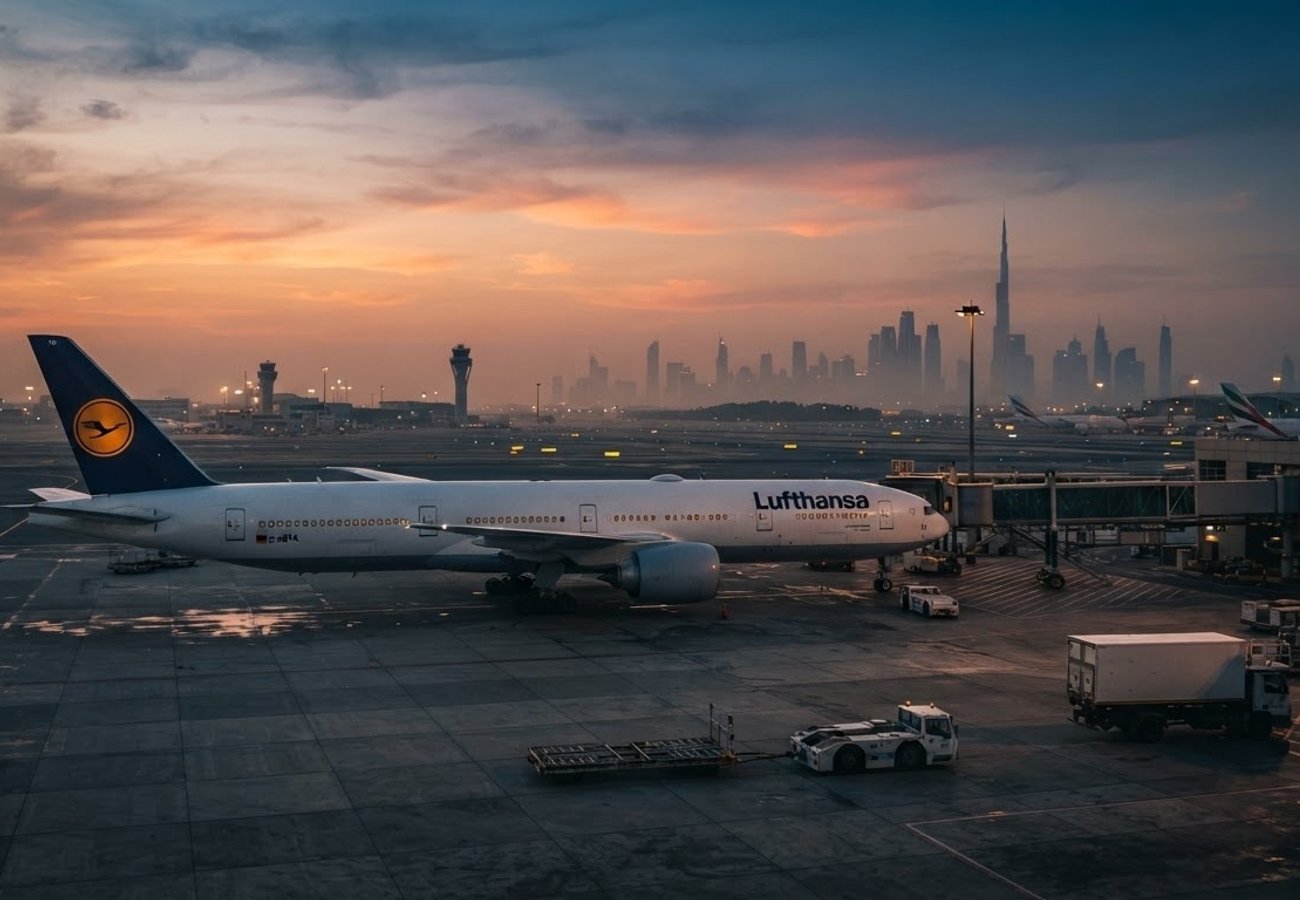
Image generated by AI
Passenger services operated by Lufthansa, Swiss, and Eurowings to and from Dubai will remain grounded until October 24, 2026, as geopolitical volatility continues to disrupt Gulf airspace. This extension follows a series of rolling cancellations triggered by the 2026 conflict involving Iran, forcing one of Europe's largest aviation groups to prioritize security over route restoration.
The decision to prolong the flight halt comes as a significant blow to long-haul connectivity between Europe and the United Arab Emirates. While Dubai International Airport has attempted to normalize its operational capacity, the risk calculus for international carriers remains skewed. According to operational reports, the current suspension extends a previous window that was slated to end in mid-September, signaling that the security environment has not yet stabilized to the satisfaction of the airline group's risk management teams.
Security Constraints and Airspace Volatility in the Gulf
The suspension is not an isolated event but a response to a broader pattern of instability across the Middle East. The 2026 conflict involving Iran has introduced severe unpredictability into commercial aviation, characterized by sudden airspace closures and the threat of missile and drone activity. These factors have forced airlines to implement drastic detours or cancel flights entirely to avoid high-risk zones.
Industry data indicates that the financial burden of operating in this environment has surged. War-risk insurance premiums for aircraft transiting Gulf airspace have seen sharp increases following strikes near critical infrastructure hubs. For a conglomerate like the Lufthansa Group, these escalating costs, combined with the logistical complexity of rerouting flights, make the suspension of Dubai services a more viable short-term strategy than risking aircraft and crew in a fluid combat zone.
Furthermore, the decision reflects a desire to avoid "stranded asset" scenarios. In previous months, sudden route closures have left aircraft and flight crews trapped in foreign jurisdictions. By pushing the resumption date to late October, the group is creating a strategic buffer to evaluate the security landscape after the peak summer and early autumn travel seasons.
Impact on International Passenger Logistics
The absence of direct connections via major European hubs such as Frankfurt, Munich, and Zurich is forcing a massive reconfiguration of travel itineraries. Passengers who typically rely on the Lufthansa Group network for seamless transit to the UAE are now navigating a fragmented booking landscape.
Travelers are currently being urged by industry observers to rely heavily on real-time airline applications and official notifications. The fluidity of the situation means that even alternative routes can be subject to sudden changes. For those caught in the middle of these cancellations, the Lufthansa Group has generally offered flexible rebooking windows or full refunds, though the specific terms remain dependent on the original fare class and the channel through which the ticket was purchased.
The ripple effect extends beyond those flying directly to Dubai. Because the city serves as a primary gateway between Europe, Africa, and Asia, the extended halt complicates multi-city itineraries. Many travelers are shifting their loyalty toward Gulf-based carriers, which have maintained a more robust operational presence despite the regional turmoil.
Dubai International Airport Facing Asymmetric Recovery
Dubai International Airport continues to function as a global aviation powerhouse, but 2026 has been defined by a "stop-start" operational rhythm. The airport experienced total suspensions earlier in the year following Iranian drone incidents, and while it has since restored much of its capacity, the recovery is uneven.
A clear divide has emerged between home-grown carriers and foreign airlines. While UAE-based airlines have aggressively rebuilt their schedules, several major international players have remained hesitant. Reports indicate that Air Canada, KLM, British Airways, and Finnair have also extended their cancellations or reduced their frequencies into the autumn period.
This asymmetry has fundamentally altered passenger flow. With European legacy carriers absent, Gulf-based airlines have captured a larger percentage of the connecting traffic. This shift suggests a temporary reconfiguration of the long-haul network, where the reliance on European hubs is decreasing in favor of Middle Eastern transit points that are perceived to have a higher tolerance for regional risk.
Group-Wide Network Adjustments Across the Middle East
The Dubai suspension is a primary component of a much larger strategic retreat by the Lufthansa Group across the Middle East. The group's current flight offer is severely curtailed, with several key destinations remaining off-limits.
| Destination | Current Status | Expected Resumption |
|---|---|---|
| Dubai | Suspended | October 24, 2026 |
| Abu Dhabi | Suspended | October 24, 2026 |
| Amman | Suspended | October 24, 2026 |
| Beirut | Suspended | October 24, 2026 |
| Dammam | Suspended | October 24, 2026 |
| Riyadh | Suspended | October 24, 2026 |
| Erbil | Suspended | October 24, 2026 |
| Muscat | Suspended | October 24, 2026 |
| Tehran | Suspended | October 24, 2026 |
| Tel Aviv | Limited Resumption | Constrained Capacity |
This comprehensive halt follows a trajectory of increasing caution. The group initially implemented blanket suspensions through April, which were later extended to July and September. The move to October 24 suggests that despite incremental improvements in airspace availability, the threshold for "operational reliability" has not yet been met.
Why This Matters: The Traveler's Perspective
For the modern traveler or corporate nomad, this situation highlights a growing trend of "geopolitical volatility pricing" in aviation. When a major carrier like Lufthansa pulls out of a hub, it isn't just about a missing flight; it is about the collapse of a reliable transit corridor.
From a logistical standpoint, this creates a "bottleneck effect." As passengers migrate to the remaining active carriers, ticket prices for those specific routes often spike due to increased demand and limited supply. Furthermore, the reliance on a smaller number of airlines increases the risk of massive delays if a single carrier faces a technical or regulatory hurdle.
For business travelers specifically—particularly those in the German, Swiss, and Austrian markets—the loss of direct connectivity to Dubai disrupts corporate supply chains and diplomatic missions. The return to pre-crisis flight frequencies will not be a simple flip of a switch; it will require a convergence of lowered insurance premiums, stabilized airspace regulations, and a verifiable decrease in regional hostilities.
The aviation industry remains in a holding pattern as the Gulf's security architecture continues to shift.
Related Travel Guides
Disclaimer
This article is for informational and educational purposes only. It does not constitute legal, financial, or professional advice. While we strive to provide accurate and up-to-date information, travel policies, regulations, and conditions change rapidly. Always verify information with official sources before making travel decisions. Nomad Lawyer makes no representations about the accuracy, reliability, completeness, or suitability of the information provided. Readers should consult qualified professionals for advice specific to their circumstances. The views expressed in this article are those of the author and do not necessarily reflect the views of Nomad Lawyer.
Kunal K Choudhary
Co-Founder & Contributor
A passionate traveller and tech enthusiast. Kunal contributes to the vision and growth of Nomad Lawyer, bringing fresh perspectives and driving the community forward.
Learn more about our team →