
Kyrgyzstan Tourism Boom 2026: Tian Shan Expeditions, Song-Kul Yurt Stays, and Silk Road Growth
Kyrgyzstan welcomed over 1.2 million international travelers in the first half of 2026, generating $150 million in revenue as adventure seekers flock to the Tian Shan mountains, Lake Issyk-Kul, and high-altitude nomadic yurt stays.

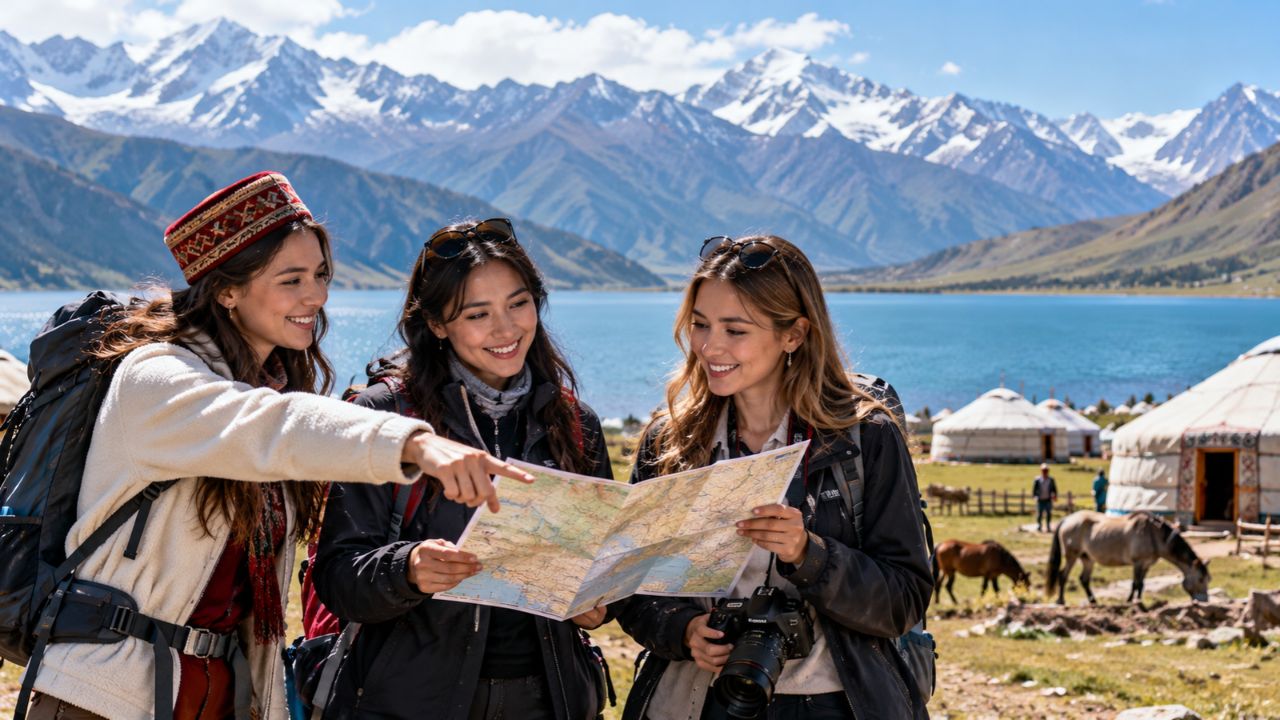
Welcoming more than 1.2 million foreign visitors in the first six months of 2026 alone—an 8% rise year-on-year—Kyrgyzstan has consolidated its standing as Central Asia’s premier frontier for alpine trekking and living nomadic culture. Driven by surging visitor inflows from Russia, Kazakhstan, and China, tourism receipts climbed 12% to reach $150 million, proving that travelers are trading commercial resorts for high-altitude horse treks and community-run yurt encampments.
The heart of Central Asia is experiencing a structural tourism expansion. Once considered an off-the-beaten-path redoubt for elite mountaineers, Kyrgyzstan is rapidly opening its high valleys and alpine lakes through improved mountain roads, modern regional airport links, and expanded seasonal ski infrastructure. For independent travelers, the country offers an unmatched combination: pristine wilderness in the snow-capped Tian Shan ranges combined with authentic encounters alongside semi-nomadic Kyrgyz pastoralists.
The H1 2026 Tourism Surge: Numbers and Source Markets
Official data for the first half of 2026 confirms that international travel to Kyrgyzstan is expanding across all key performance metrics. Foreign arrivals reached 1.2 million, reflecting an 8% increase over the first half of 2025. Concurrently, total tourism revenue grew to US$150 million, representing a 12% year-on-year increase as visitors spend more on multi-day guided treks, horse rentals, homestays, and winter sports.
The primary inbound demand is anchored by three major source markets:
- Russia: Represents the largest international market, supported by extensive direct regional flights, shared language fluency, and deep historical ties.
- Kazakhstan: Generates heavy short-haul overland traffic, with visitors crossing northern borders to holiday around the warm shores of Lake Issyk-Kul and hike in the Chon-Kemin valley.
- China: Emerging as the fastest-growing segment, fueled by expanding cross-border road connections through the Torugart and Irkeshtam mountain passes, alongside growing fascination with Silk Road heritage and untouched mountain ecology.
| Key Destination / Asset | Geographic Region | Main Travel Activity | Seasonal Travel Window | Visitor Infrastructure Highlight |
|---|---|---|---|---|
| Lake Issyk-Kul | Northern Kyrgyzstan | Beach stays, thermal hot springs, sailing | Year-round (Peak: June to September) | Resort hotels in Cholpon-Ata; eco-camps on south shore |
| Song-Kul Lake | Naryn Province (3,016m elevation) | Traditional yurt stays, horseback riding | June to September (Inaccessible in winter) | Community-run nomadic yurt camps with local shepherds |
| Tian Shan Range & Ala-Archa | Chuy & Issyk-Kul Provinces | Alpine mountaineering, glacier trekking | June to October (Trekking); Dec–March (Ski) | Marked national park trails; mountain huts at Ak-Sai |
| Karakol, Chunkurchak & Orlovka | Eastern & Central Ranges | Piste skiing, freeride snowboarding | December to late March | Modern chairlifts, ski rental hubs, and alpine chalets |
| Skazka (Fairy Tale) Canyon | Southern Issyk-Kul Shore | Geology photography, desert canyon hikes | March to November | Direct road access from the main southern ring highway |
What Makes Kyrgyzstan's Travel Experience Unique
Unlike neighboring Central Asian destinations dominated by desert architecture, Kyrgyzstan is almost entirely mountainous, with over 90% of its territory elevated above 1,500 metres. The crown jewel of its natural geography is Lake Issyk-Kul, the world’s second-largest high-altitude saline lake. Because of its slight salinity and thermal depth, Issyk-Kul never freezes, even when surrounding Tian Shan peaks are buried under deep winter snow.
Further into the interior, Song-Kul Lake sits at an elevation of 3,016 metres on an alpine plateau carpeted in edelweiss and wild thyme. Here, during the brief summer months, Kyrgyz herders move their livestock to high summer pastures (jailoos), setting up felt yurts (boz-ui) where travelers can sleep under star-filled skies, drink fermented mare’s milk (kymyz), and ride sturdy mountain horses across open grassland.
Along the southern shore of Issyk-Kul, the red sandstone towers of Skazka Canyon contrast sharply with turquoise water and snow-capped peaks, offering travelers exceptional geological formations sculpted by wind and rain over millions of years.
Heritage Corridors Along the Ancient Silk Road
Kyrgyzstan's high mountain passes served as vital trade arteries connecting China with Persia and the Mediterranean. Remnants of this history remain visible at sites like the Burana Tower, an 11th-century minaret marking the ancient Karakhanid capital of Balasagun, and the stone caravanserai of Tash Rabat in Naryn Province.
Recognized under the UNESCO World Heritage Centre Silk Roads network, these archaeological landmarks provide historical grounding to modern trekking routes. Community-based tourism initiatives—pioneered by local CBT (Community Based Tourism) associations across towns like Karakol, Kochkor, and Arslanbob—allow travelers to book homestays directly with local families, ensuring tourism income directly supports rural mountain communities.
Visitor Insider Tips
- Navigating Marshrutkas and Shared Taxis: For intercity travel from Bishkek’s Western Bus Station to Issyk-Kul or Kochkor, shared Mercedes Sprinter minivans (marshrutkas) are inexpensive and frequent. For remote destinations like Song-Kul or Tash Rabat, negotiate a private 4WD vehicle through local CBT offices to handle unpaved mountain roads.
- Trekking Preparation for High Altitudes: Trails in Ala-Archa National Park and around Karakol (such as the trek to Ala-Kul Lake at 3,560 metres) require sturdy waterproof boots, thermal layers, and trekking poles. Weather in the Tian Shan can shift from sunshine to freezing snow within an hour, even in July.
- Yurt Etiquette: Always remove your shoes before stepping onto the felt carpets (shyrdak) inside a traditional yurt. When offered bread (nan) and tea, break a small piece with your hands rather than cutting it with a knife, and never step over food placed on the floor tablecloth (dastorkon).
- Currency and Cash Essentials: While credit cards and contactless payments work in Bishkek hotels and major supermarkets in Cholpon-Ata, carry ample Kyrgyz Som (KGS) in cash when traveling through rural Naryn and southern Issyk-Kul, as ATMs are scarce outside district capitals.
Cultural and Environmental Context
Rapid tourism expansion brings important environmental responsibilities across Kyrgyzstan's fragile alpine ecosystems. The pristine waters of Lake Issyk-Kul and high alpine meadows face threats from unregulated plastic waste, off-road vehicle erosion, and wastewater discharge from seasonal tourist camps.
In response, national park authorities and community cooperatives are enforcing strict "Leave No Trace" guidelines along trekking corridors, promoting dry-composting eco-toilets in high-altitude yurt camps, and establishing community-managed trail cleanup initiatives. Travelers play an active role in conservation by avoiding single-use plastics, hiring licensed local mountain guides, and supporting family-owned craft workshops that produce traditional felt textiles.
FAQ: Visiting Kyrgyzstan 2026
What is the best time of year to visit Kyrgyzstan?
July through September is the ideal window for hiking in the Tian Shan mountains and staying in yurt camps around Song-Kul. For winter skiing at Karakol and Chunkurchak, visit between December and March.
Do I need a visa to enter Kyrgyzstan?
Citizens of more than 60 countries—including the EU, USA, UK, Canada, and Australia—can enter Kyrgyzstan visa-free for tourist stays of up to 60 days.
How do I reach Song-Kul Lake from Bishkek?
Take a shared taxi or marshrutka from Bishkek to Kochkor (roughly 3 hours), then hire a 4WD vehicle or arrange a 2- to 3-day guided horse trek across the Kalmak-Ashu or Tuz-Ashu passes up to the lake.
Is Kyrgyzstan safe for independent and solo travelers?
Yes. Kyrgyzstan is widely regarded as the most welcoming and accessible destination in Central Asia for independent travelers, with an established network of community-based tourism offices providing verified local guides and homestays.
Where mountain ridges meet open skies, Kyrgyzstan rewards those who seek the untamed spirit of the nomadic highlands.
Related Travel Guides
Disclaimer
This article is for informational and educational purposes only. It does not constitute legal, financial, or professional advice. While we strive to provide accurate and up-to-date information, travel policies, regulations, and conditions change rapidly. Always verify information with official sources before making travel decisions. Nomad Lawyer makes no representations about the accuracy, reliability, completeness, or suitability of the information provided. Readers should consult qualified professionals for advice specific to their circumstances. The views expressed in this article are those of the author and do not necessarily reflect the views of Nomad Lawyer.
Preeti Gunjan
Contributor & Community Manager
A passionate traveller and community builder. Preeti helps grow the Nomad Lawyer community, fostering engagement and bringing the reader experience to life.
Learn more about our team →