
Kullu Himachal Pradesh: Why This Valley of Gods Attracts 100,000+ Tourists Yearly and Best Places to Visit
Discover why Kullu in Himachal Pradesh is India's premier mountain destination. From UNESCO parks to ancient temples, here's everything nomads and travelers need to know.

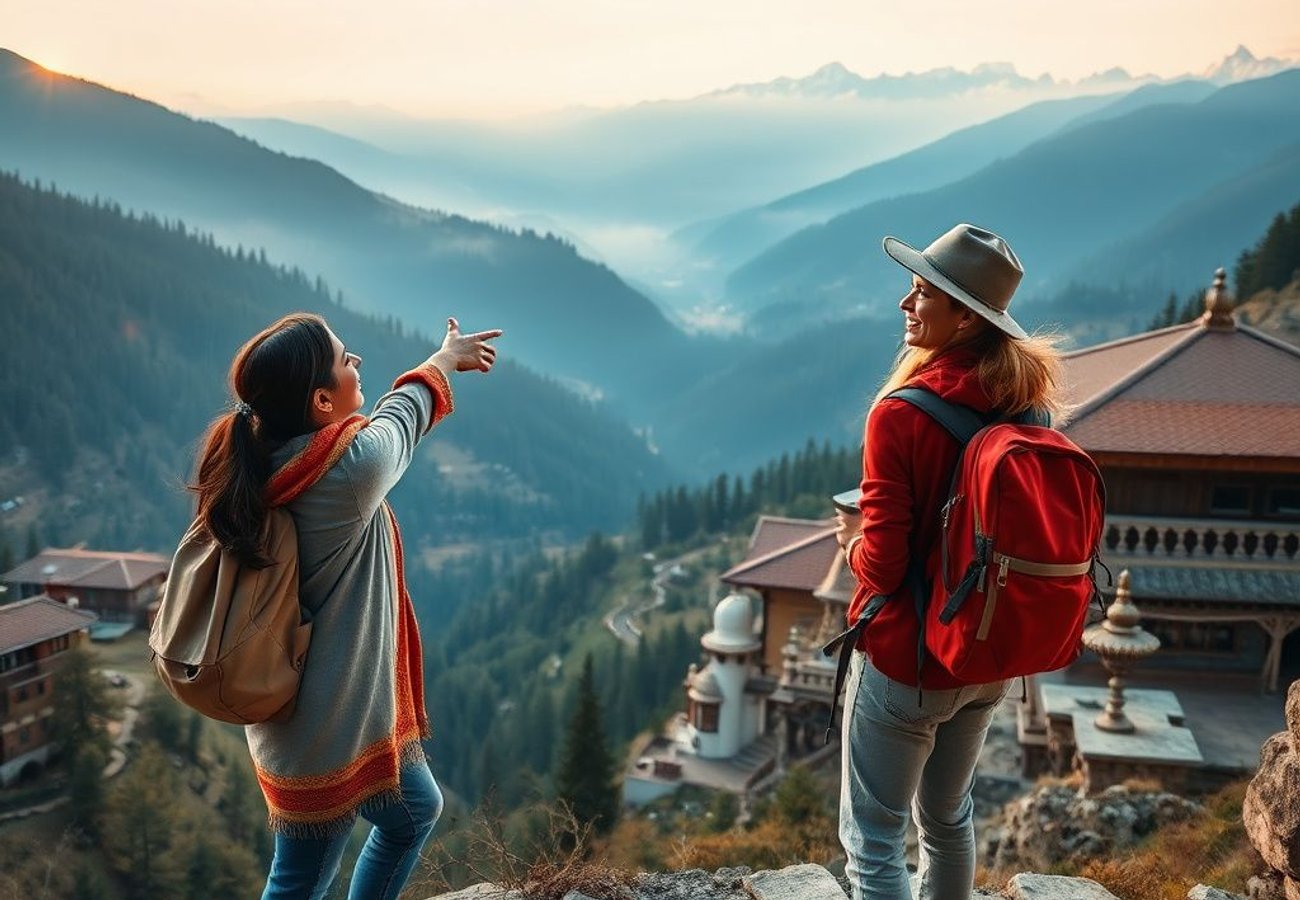
Image generated by AI
The Valley That Changed How India Does Mountain Tourism
Kullu, nestled in Himachal Pradesh, has quietly become one of India's most sought-after mountain destinations—and for good reason. Sitting on the banks of the Beas River, this enchanting valley earned its spiritual nickname, the "Valley of Gods," centuries ago. What I discovered during research is that Kullu isn't just another hill station. It's a carefully orchestrated blend of raw nature, adventure infrastructure, and genuine Himachali hospitality that keeps travelers returning year after year.
The valley stretches across emerald landscapes framed by towering pine forests and snow-dusted peaks. Ancient temples dot the hillsides. Adrenaline-pumping rivers cut through canyons. And yet, despite growing popularity, Kullu maintains an authenticity that escapes many over-commercialized Indian destinations.
Reddit: "Kullu hit different than Manali. Less crowded, more real, better food. Stayed for 3 weeks and didn't want to leave." — r/travel
Why Kullu Dominates the Himachal Pradesh Travel Scene
The draw isn't accidental. Kullu's fame rests on five pillars: breathtaking natural scenery, world-class adventure sports, spiritual significance, traditional craftsmanship, and year-round accessibility.
The landscape alone justifies the trip. Tall pine forests create natural corridors that smell of earth and possibility. The Beas River generates a constant, soothing soundtrack. Mountains rise dramatically on all sides—some snow-capped, others draped in cloud. This isn't Instagram-bait nature; it's the real thing.
Adventure seekers flock here for river rafting, trekking, camping, and paragliding. The infrastructure for these activities has matured significantly over the past five years, with certified operators now running professional programs across multiple difficulty levels.
Then there's the spiritual dimension. Dozens of ancient temples dot the valley, each with stories stretching back centuries. Pilgrims and tourists alike visit these sites seeking both blessing and beauty.
The Kullu shawls and handicrafts remain famous across India—hand-woven woolens and caps sold in bustling local markets represent generations of craftsmanship. Buying here means supporting families who've practiced these trades for centuries.
Great Himalayan National Park: Where Wildlife Meets Wilderness
Great Himalayan National Park stands as a crown jewel—a UNESCO World Heritage Site protecting 754 square kilometers of pristine mountain ecosystem. The park houses rare species including Himalayan musk deer, snow leopards, and clouded leopards. For trekkers, this means challenging routes through untouched forest that reveal nature's architecture layer by layer.
The treks here range from moderate day-hikes to week-long expeditions. What makes this park special is its relative lack of crowds. Unlike popular trekking destinations worldwide, you can actually find solitude here.
Bijli Mahadev Temple: Pilgrimage Meets Panorama
Perched 2,438 meters above sea level, Bijli Mahadev Temple offers what few spiritual sites can: genuine transcendence combined with knockout views. The temple itself is modest—a traditional Himachali stone structure built centuries ago. But the trek to reach it winds through oak and rhododendron forests that shift in color with seasons.
The payoff? Standing at the temple, the entire Kullu Valley spreads below like a green tapestry. On clear days, you can see snow-capped peaks dotting the horizon. The trek takes roughly 3-4 hours from the base village of Bijli Mahadev and rewards you with solitude, spirituality, and some of the finest views in Himachal Pradesh.
Local guides note that spiritual significance here runs deep—the temple has survived lightning strikes, with locals claiming the shiva lingam acts as a natural conductor.
Raghunath Temple: Ancient Spiritual Core
Raghunath Temple represents Kullu's oldest and most important religious site. Built in traditional Himachali architecture, the temple complex showcases intricate wood carvings and stone work spanning generations. It's not just a tourist checkpoint; this is an active pilgrimage site where devotion feels tangible.
The temple grounds offer peaceful wandering and genuine insight into how local communities practice faith. Unlike sanitized tourist temples, Raghunath retains its authentic character.
Tirthan Valley: Trout Fishing and Tranquility
Tirthan Valley represents everything peaceful travelers seek. The Tirthan River flows crystal-clear through this remote valley, creating natural pools perfect for trout fishing. Campsites dot the banks—simple setups that emphasize nature over luxury.
This valley attracts a different tourist profile: those willing to unplug completely. No cell service. Minimal infrastructure. Just river sounds, forest silence, and your own thoughts. The valley also offers excellent trout fishing opportunities for those with permits.
Pandoh Dam: Engineering Meets Scenery
Pandoh Dam demonstrates how human infrastructure can blend with natural beauty when done thoughtfully. Built across the Beas River, the dam creates a stunning water body surrounded by mountain walls. Photographers frequent this spot at sunrise and sunset when light transforms the water into liquid gold.
The dam also provides practical rest stops for travelers driving between Kullu and nearby destinations. Viewpoints here offer classic mountain-lake photography opportunities.
Manikaran: Where Hot Springs Meet Sacred Pilgrimage
Manikaran, roughly 45 kilometers from Kullu town, straddles Hindu and Sikh spirituality. The village sits where geothermal hot springs emerge from the earth—a geological phenomenon that devotees interpret as divine blessing.
The hot springs remain functional year-round. Pilgrims bathe here seeking healing. The village maintains both a Hindu temple and a Sikh gurdwara, both drawing crowds during festival seasons. The sulfurous smell of natural hot water fills the air, along with incense from temple offerings.
It's crowded, especially during festivals, but the energy proves infectious. You witness genuine spiritual practice rather than tourist theater.
Seasonal Strategy: When to Plan Your Kullu Visit
Summer (March to June) delivers the premium experience. Weather stays pleasant (60-75°F). Sky visibility peaks. Adventure sports operators run full schedules. Hotels book months ahead. This is peak season—expect crowds and premium pricing.
Monsoon (July to September) transforms Kullu into an emerald paradise. Rainfall feeds the landscape. Waterfalls multiply. Crowds thin considerably. The tradeoff: landslides occasionally block roads. Heavy rains can disrupt plans. Budget travelers love this season.
Winter (October to February) brings cold weather (40-60°F) and occasional snow in higher elevations. Lower tourist numbers. Crisp air and clear skies attract photographers. Some higher-altitude attractions become inaccessible. This remains an underrated travel window for those comfortable in cold conditions.
What To Do: Beyond Standard Sightseeing
River rafting on the Beas provides an adrenaline rush in a stunning setting. The rapids vary in difficulty, suitable for beginners through experts.
Local market exploration reveals authentic Himachali culture. The main bazaar sells everything from traditional shawls to fresh trout to hand-pressed oils. Bargaining is expected and accepted.
Temple visits offer spiritual engagement regardless of personal faith. Even secular travelers find meaning in these ancient spaces.
Mountain trekking and camping range from easy valley walks to challenging multi-day expeditions.
Authentic Himachali cuisine at family-run restaurants beats chain establishments. Try dhal bhaat, momos, and local trout preparations.
Photography expeditions reward both professionals and casual photographers. Light quality here approaches world-class standards.
Festival attendance (if your travel dates align) provides genuine cultural immersion. The Dussehra Festival in October transforms Kullu into a celebration of color and tradition.
Getting There: Practical Logistics
By Air: The nearest airport is Bhuntar Airport, roughly 10 kilometers away. Regular flights connect from major Indian cities including Delhi, Chandigarh, and Mumbai. Flight times typically run 2-3 hours.
By Road: Kullu connects via well-maintained highways. From Delhi, the drive takes 13-15 hours (roughly 500 kilometers). From Chandigarh, expect 8-10 hours. Multiple taxi services and private buses operate these routes daily. The drive itself offers stunning Himalayan views as you ascend.
By Train: The nearest major railway station is Chandigarh, approximately 240 kilometers away. From there, continue via road for 6-8 hours. This route works well if you prefer train travel combined with scenic road segments.
Accommodation and Budget Reality
Kullu offers lodging across all budget tiers. Budget guesthouses run $15-25 nightly. Mid-range hotels charge $40-80. Luxury resorts exceed $150 per night. The quality-to-price ratio here remains exceptional compared to international mountain destinations.
Book accommodations 2-3 weeks ahead during peak season. Off-season rates drop 30-50%, making shoulder seasons financially smart.
Food costs average $3-8 per meal at local restaurants. Western cafés charge more. The dining quality remains consistently good across price points.
The Legal Travel Note
Kullu doesn't just offer mountain views—it offers genuine mountain living, one valley at a time.
Related Travel Guides
Disclaimer
This article is for informational and educational purposes only. It does not constitute legal, financial, or professional advice. While we strive to provide accurate and up-to-date information, travel policies, regulations, and conditions change rapidly. Always verify information with official sources before making travel decisions. Nomad Lawyer makes no representations about the accuracy, reliability, completeness, or suitability of the information provided. Readers should consult qualified professionals for advice specific to their circumstances. The views expressed in this article are those of the author and do not necessarily reflect the views of Nomad Lawyer.
Raushan Kumar
Founder & Lead Developer
Full-stack developer with 11+ years of experience and a passionate traveller. Raushan built Nomad Lawyer from the ground up with a vision to create the best travel and law experience on the web.
Learn more about our team →