
Southeast Asia Water Parks Drive Summer Tourism Boom 2026
Water parks across Malaysia, Thailand, Vietnam, and Bali are reshaping summer travel with family-friendly attractions that boost local economies and extend visitor stays across the region.

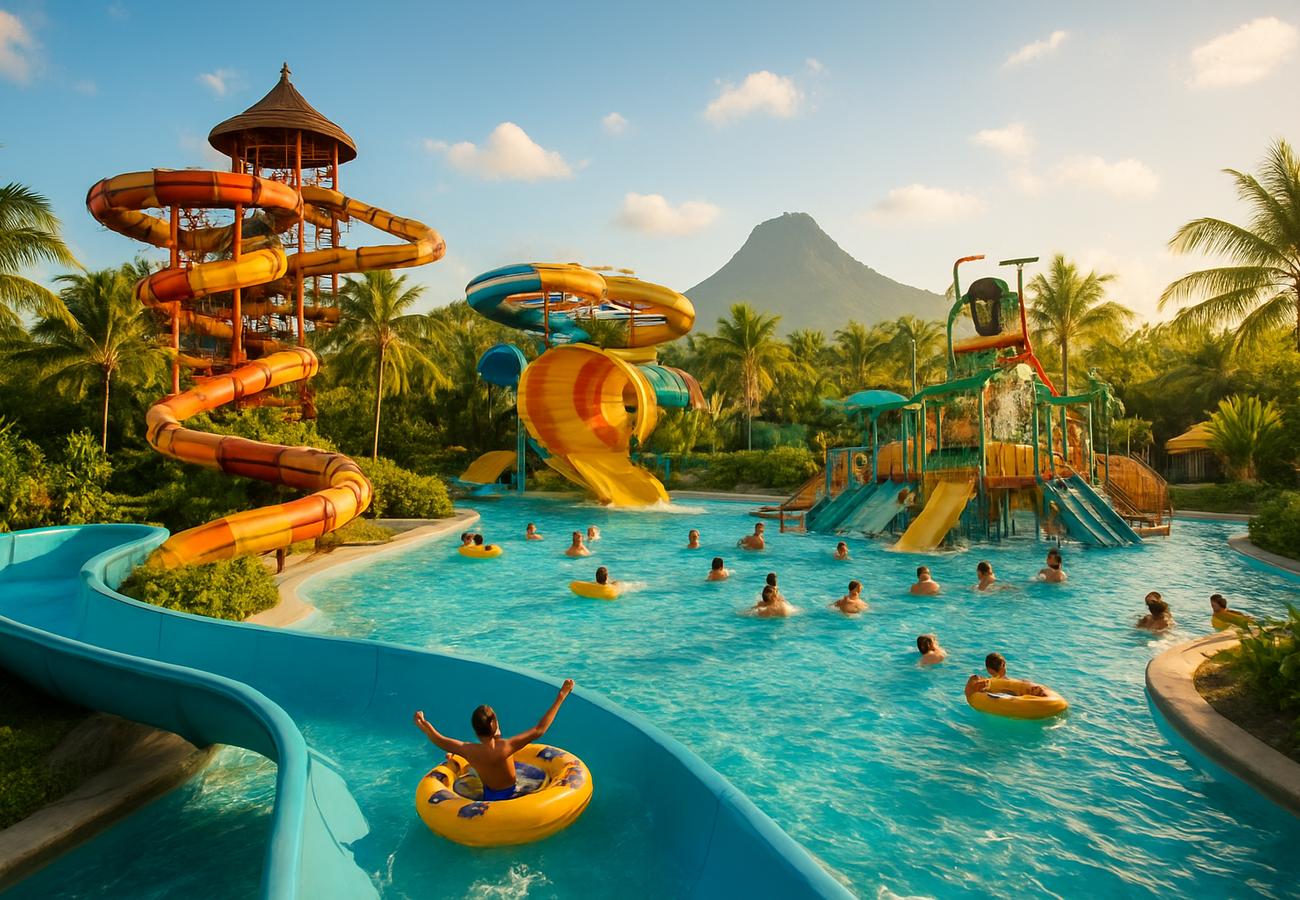
Image generated by AI
This summer, Southeast Asia's water parks are becoming the unexpected centerpiece of family vacations across the region. From Lost World of Tambun in Ipoh to Waterbom Bali, these attractions are doing far more than entertaining children—they're reshaping tourism economics and driving extended stays throughout Malaysia, Thailand, Vietnam, and Bali.
Malaysia's Lost World of Tambun: Where Jungle Meets Amusement
Lost World of Tambun in Ipoh demonstrates how seamlessly modern entertainment can blend with natural landscapes. The park combines water rides, adventure rivers, and wave pools with genuine jungle scenery and natural hot springs. Families aren't just visiting for a single day anymore; they're booking multiple-night stays to experience both the park and Ipoh's culinary heritage.
Tourism officials now view these parks as anchor attractions for the entire region. A single park draws visitors to surrounding towns, filling hotel rooms, restaurants, and local markets. By diversifying beyond beaches and urban centers, Malaysia is building sustainable growth in family-focused tourism.
Reddit: "Lost World of Tambun was surprisingly good—the mix of water rides and actual nature made it feel different from typical amusement parks." — r/travel
Thailand's Coastal Revolution: Vana Nava and Beyond
Vana Nava Hua Hin has positioned Thailand's coastal towns as year-round family destinations. The park's "water jungle" concept—combining high-velocity slides, wave pools, and tropical landscaping—creates immersive experiences that keep families engaged for full days.
Accessibility matters here. Located just hours from Bangkok, Vana Nava attracts both domestic tourists seeking weekend escapes and international families looking for multi-day adventures. The park's success has prompted Thai tourism authorities to embrace water-based entertainment as central to their leisure tourism strategy, encouraging visitors to extend stays and explore local markets alongside beach experiences.
Government campaigns now emphasize that these parks encourage repeat visitation while enhancing Thailand's reputation as a premier leisure destination.
Vietnam's Da Nang: Climate-Adaptive Family Infrastructure
Da Nang has taken a different approach by integrating water parks with cultural tourism. Attractions like Mikazuki Water Park provide indoor and outdoor entertainment suitable for all seasons, ensuring families can visit regardless of weather conditions.
This strategic planning matters in Vietnam's competitive tourism landscape. Water parks complement historic landmarks, vibrant markets, and culinary experiences, creating comprehensive itineraries that appeal to multigenerational travelers. Da Nang's investment in climate-adaptive infrastructure ensures water-based leisure remains accessible year-round, consistently attracting family groups and boosting local revenue.
Bali's Established Appeal: Waterbom's Continued Dominance
Waterbom Bali continues setting the standard for water park excellence in Indonesia. The park doesn't operate in isolation—it complements Bali's beaches, wellness retreats, and cultural sites, providing visitors with diverse vacation experiences within a single destination.
Water park tourism in Bali drives measurable economic impact: longer stays, higher spending per visitor, and sustained satisfaction levels. This ecosystem approach reinforces Bali's status as a world-class holiday destination while distributing tourism revenue across multiple business sectors.
The Economic Cascade: Beyond Entertainment
Across Southeast Asia, water parks generate ripple effects throughout local economies. Hotel bookings increase, restaurant visits spike, transportation usage grows, and retail activity expands—all driven by families planning multi-day itineraries around these attractions.
The impact extends beyond immediate park revenue. Governments emphasize that water parks function as tourism catalysts, boosting regional visibility and international competitiveness. Multi-generational travel patterns encourage higher per-family spending, as visitors combine entertainment with cultural exploration and dining experiences.
Safety and Sustainability: Official Tourism Standards
Malaysia, Thailand, Vietnam, and Bali have invested significantly in operational standards and staff training. These parks serve as platforms for cultural promotion, encouraging visitors to explore surrounding heritage sites and engage with natural landscapes.
Official tourism strategies prioritize three elements: safety certifications, environmental sustainability practices, and immersive cultural experiences. This comprehensive approach transforms water parks from isolated attractions into integrated components of regional tourism ecosystems.
The Summer Boom Effect
This summer, travelers aren't simply choosing between beach relaxation and city exploration—they're experiencing both simultaneously. Water parks have fundamentally altered Southeast Asian family vacation planning, extending stays by an average of 2-3 nights per family unit and increasing daily spending across accommodations, dining, and local experiences.
The strategic integration of these attractions into government tourism campaigns has strengthened Southeast Asia's position as a tier-one family destination. Visitors enjoy thrilling entertainment with robust safety standards, while destinations experience sustainable growth and measurable visitor engagement—illustrating how modern water parks reshape the entire tourism landscape.
Southeast Asia's water parks aren't just summer fun anymore—they're reshaping how families vacation across an entire region.
Related Travel Guides
Airbus A350-1000: Delta Orders First US Fleet of Premium Widebody Jets
Flight Chaos Strands Thousands Across Major US Hubs April 2026
Disclaimer
This article is for informational and educational purposes only. It does not constitute legal, financial, or professional advice. While we strive to provide accurate and up-to-date information, travel policies, regulations, and conditions change rapidly. Always verify information with official sources before making travel decisions. Nomad Lawyer makes no representations about the accuracy, reliability, completeness, or suitability of the information provided. Readers should consult qualified professionals for advice specific to their circumstances. The views expressed in this article are those of the author and do not necessarily reflect the views of Nomad Lawyer.
Preeti Gunjan
Contributor & Community Manager
A passionate traveller and community builder. Preeti helps grow the Nomad Lawyer community, fostering engagement and bringing the reader experience to life.
Learn more about our team →