
Camino Bulgaria: The New 81km Spiritual Trail From the Strandzha Mountains to the Black Sea Coast

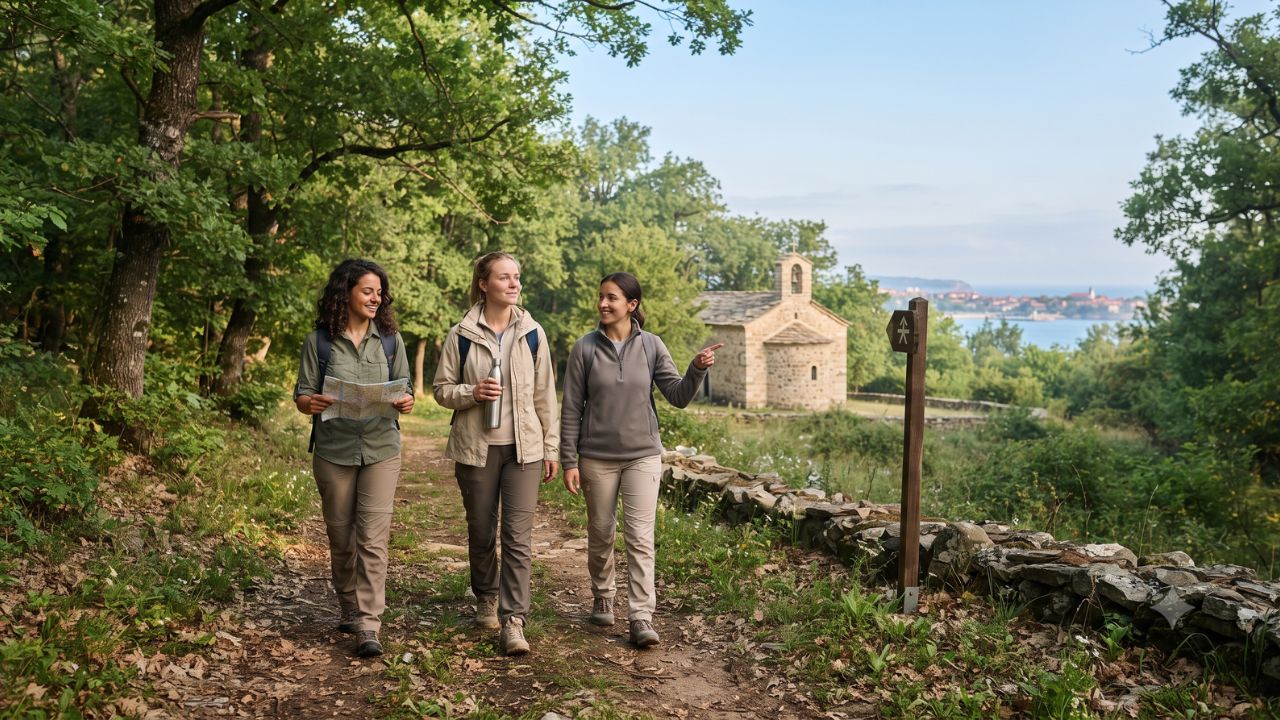
While the vast majority of international travelers know Bulgaria only for its popular summer beach resorts or winter ski slopes, an ancient spiritual path was reawakened following the 2010 discovery of the relics of St. John the Baptist on uninhabited St. Ivan Island. That monumental archaeological find has culminated in the formal launch of Camino Bulgaria—an 81-kilometer walking pilgrimage that links the primeval oak forests of Malko Tarnovo to the coastal ramparts of Sozopol.
Officially designated as "Camino Bulgaria – Path to the Relics of St. John the Baptist," the route represents a major strategic initiative by the Ministry of Tourism of Bulgaria to expand beyond seasonal resort packages into year-round cultural, spiritual, and slow tourism. Spanning five administrative municipalities—Malko Tarnovo, Tsarevo, Primorsko, Sozopol, and Burgas—the trail establishes a continuous walking corridor where travelers can engage directly with Orthodox monastic heritage, Thracian sanctuaries, and small rural communities across southeastern Bulgaria.
The 81-Kilometer Path to the Relics of St. John the Baptist
The trail begins in the quiet border settlement of Malko Tarnovo within the protected woodlands of Strandzha Nature Park, the largest protected natural territory in Bulgaria. From this mountainous starting point, walkers navigate ancient forest trails, stone bridges, and hidden chapels before descending toward the Black Sea coastline.
The journey culminates in the historic maritime town of Sozopol, originally founded in the 7th century BC as the Greek colony of Apollonia Pontica. In 2010, archaeologists excavating the medieval monastery complex on nearby St. Ivan Island unearthed a small alabaster reliquary containing bone fragments identified through scientific testing as belonging to St. John the Baptist. Today, these revered holy relics are permanently enshrined inside Sozopol's Church of Saints Cyril and Methodius, making the seaside town a focal point of Christian pilgrimage.
By connecting these holy relics to a structured 81-kilometer overland trail rather than a quick day trip, destination planners have created an immersive multi-day experience. National tourism data indicates that Bulgaria's faith-based travel sector has been growing at an annual rate of 5% to 10%, supported by parallel heritage routes like the "Rila Miracle Worker" trail developed under the "On the Path of Faith" project, which held its landmark national convention on June 30 of last year.
What Makes Camino Bulgaria and the Strandzha Region Distinct
The defining character of Camino Bulgaria is its seamless transition between two distinct worlds: the mystical folklore of the Strandzha interior and the maritime heritage of the Black Sea. Strandzha is famous as the ancestral birthplace of Nestinarstvo—the ancient barefoot fire-dancing ritual recognized by UNESCO on its Representative List of the Intangible Cultural Heritage of Humanity.
As pilgrims walk eastward, the dense beech and sessile oak forests gradually yield to coastal meadows, dramatic limestone cliffs, and the protected sand dunes of the Ropotamo Nature Reserve. The trail allows independent hikers to stop at family-operated guesthouses (kashta za gosti), taste regional mountain honey (manov med), and sample slow-cooked Strandzha specialties like zelnik pastries and baked fish before concluding their walk along the ancient cobblestone alleys of Sozopol's Old Town.
Camino Bulgaria Trail Specifications and Municipal Network
The 81-kilometer trail winds through five distinct municipalities, each contributing unique cultural and geographical elements to the pilgrimage:
| Trail Stage / Municipality | Terrain & Distance Profile | Key Heritage & Spiritual Highlights |
|---|---|---|
| Malko Tarnovo (Start) | Mountain forests & rural highlands | Holy Trinity Church, Thracian dome tombs, Strandzha flora |
| Tsarevo | Forest foothills to Black Sea shores | Dormition of the Theotokos Church, quiet harbor coves |
| Primorsko | Coastal oak woodlands & river reserves | Beglik Tash ancient Thracian megalithic sanctuary |
| Sozopol (Destination) | Rocky peninsula & maritime ramparts | Relics of St. John the Baptist (discovered 2010), St. Ivan Island |
| Burgas Municipal District | Coastal transit & cultural connection | Regional transport hub connecting airport, rail, and bus lines |
Visitor Insider Tips
Planning an independent trek along Camino Bulgaria requires practical preparation and an appreciation for local rhythms:
- Optimal Walking Seasons: The best months to walk the trail are May to June and mid-September through October. Summer (July–August) brings high coastal humidity and temperatures exceeding 32°C, while autumn offers cool 18°C walking weather, golden beech foliage, and uncrowded coastal villages.
- Carry Local Currency for Village Stays: While hotels and restaurants in Sozopol accept major international credit cards, small family guesthouses, village bakeries, and monastic donation boxes in the Strandzha interior require Bulgarian Lev (BGN) in cash.
- Respect Orthodox Church Etiquette: When entering village chapels and Sozopol's historic churches, modest attire is required. Shoulders and knees must be covered, photography is restricted during church services, and travelers should speak in hushed tones.
- Navigate Beglik Tash in Early Morning: When passing through the Primorsko section, take a short side detour to the Beglik Tash rock sanctuary. Arrive around 08:30 before day-tripper buses arrive to experience the ancient solstice stones in complete silence.
Cultural and Environmental Context
The creation of Camino Bulgaria plays a vital role in counteracting seasonal depopulation in rural southeastern Bulgaria. While coastal resort towns face severe economic fluctuations between high summer and quiet winter months, inland Strandzha villages suffer from demographic decline.
A structured walking route generates steady, low-impact economic revenue for small-scale local enterprises. Guesthouse hosts, local mountain guides, artisanal cheese producers, and traditional honey gatherers benefit directly from trail spending. Environmentally, walking tourism promotes trail maintenance and ecological awareness inside Strandzha Nature Park, helping protect rare Balkan flora, such as the evergreen Strandzha periwinkle (Rhododendron ponticum), while encouraging sustainable conservation practices among local communities.
FAQ: Walking Camino Bulgaria in 2026
How long does it take to walk the complete Camino Bulgaria? The 81-kilometer trail is typically completed in 4 to 5 days of moderate walking, averaging 16 to 20 kilometers per day between village accommodations.
Where are the relics of St. John the Baptist kept in Sozopol? The relics, discovered in 2010 on nearby St. Ivan Island, are enshrined for public veneration inside the Church of Saints Cyril and Methodius in Sozopol's Old Town.
How do I travel to the starting point in Malko Tarnovo? Fly into Burgas Airport (BOJ) or take an express train to Burgas Central Station, where daily regional buses connect directly south to Malko Tarnovo in approximately 90 minutes.
Is wild camping permitted along the trail? Wild camping is restricted within protected zones of Strandzha Nature Park. Walkers are encouraged to stay at traditional guesthouses in municipal settlements along the route.
Walkers who trace this spiritual path through the deep forests of Strandzha to the waters of Sozopol will discover a side of Bulgaria where ancient faith and living folklore endure.
Related Travel Guides
Disclaimer
This article is for informational and educational purposes only. It does not constitute legal, financial, or professional advice. While we strive to provide accurate and up-to-date information, travel policies, regulations, and conditions change rapidly. Always verify information with official sources before making travel decisions. Nomad Lawyer makes no representations about the accuracy, reliability, completeness, or suitability of the information provided. Readers should consult qualified professionals for advice specific to their circumstances. The views expressed in this article are those of the author and do not necessarily reflect the views of Nomad Lawyer.
Raushan Kumar
Founder & Lead Developer
Full-stack developer with 11+ years of experience and a passionate traveller. Raushan built Nomad Lawyer from the ground up with a vision to create the best travel and law experience on the web.
Learn more about our team →