
Ireland Embraces AI Tourism: How Fáilte Ireland's 2026–2029 Strategy Is Transforming Regional Discovery

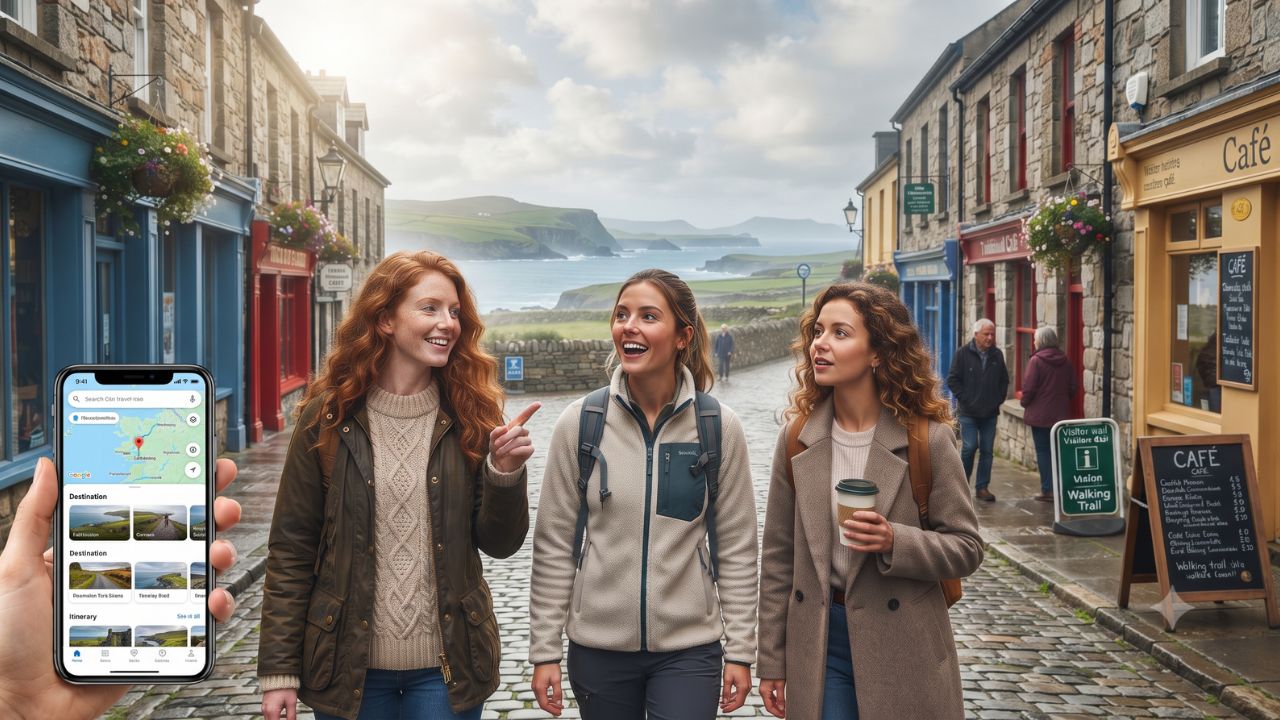
While iconic landmarks like Dublin Castle and the Cliffs of Moher have long dominated Irish travel brochures, a quiet technological revolution is fundamentally altering how visitors map their journeys. Official overseas consumer research reveals that 16% of prospective travelers to Ireland now use artificial intelligence as their primary vacation planning engine—a seven percentage point leap in twelve months—while over one in three have experimented with generative tools to curate bespoke itineraries.
This rapid shift in search behavior has prompted national tourism authorities to completely rethink digital visibility. Under its comprehensive 2026–2029 operational framework, Fáilte Ireland has established aggressive targets to achieve 7% annual visitor growth across less-developed rural regions, backed by a nationwide benchmark of 90% digital adoption and 25% direct AI integration among tourism operators by 2030. Instead of relying solely on keyword search rankings, Ireland is actively preparing small-scale guesthouses, artisan smokehouses, and coastal walking guides to become instantly discoverable when conversational AI engines assemble personalized travel packages.
The Global Shift Toward AI-Powered Destination Discovery
Ireland's digital pivot mirrors progressive strategies unfolding across leading tourism economies, including Portugal, Australia, India, Spain, Finland, and Denmark:
- Portugal: Through its Discoveries – Accelerating Smart Tourism initiative and regional pilots in Madeira, Portugal has embedded AI into reservation engines, predictive guest management, and local operational automation.
- Australia: Tourism Australia has actively trained small business operators to optimize digital assets for conversational algorithms that evaluate holistic experiences rather than discrete search queries.
- India: Leveraging its National Digital Tourism Stack, India is utilizing large-scale digital architecture to direct domestic and international travelers away from crowded monuments toward lesser-known regional heritage hubs.
- Spain: Spanish destination bodies are deploying AI across hotel operations, airline scheduling, and regional demand forecasting.
- Finland and Denmark: Visit Finland has focused on early-stage inspiration algorithms to prevent regional obscurity, while VisitDenmark has utilized generative campaigns to champion unexpected, off-the-beaten-path cultural experiences.
By coordinating its marketing across more than 15 overseas markets, Tourism Ireland is ensuring that when travelers prompt AI assistants for unhurried Atlantic road trips, authentic oyster trails, or autumn heritage festivals, Irish regional businesses appear at the top of algorithmic recommendations.
What Makes Experience-Led AI Discovery Different for Travelers
The fundamental difference between traditional search engines and AI travel planning lies in the starting point of the query. Conventional internet searches require the user to already know the name of a specific town, museum, or landmark. In contrast, generative AI platforms allow travelers to request complex experiences based entirely on mood, timing, and personal passions.
A traveler can ask for a four-day autumn itinerary combining Atlantic cliff paths, traditional fiddle sessions, and farm-to-table seafood with minimal drive times. The algorithm instantly connects coastal walking paths along the Wild Atlantic Way with family-run harborside kitchens in West Cork or County Clare. This format aligns perfectly with Ireland's culinary strengths: Tourism Ireland research confirms that 70% of prospective international visitors prioritize gastronomy when choosing a destination, and over 70% expect high-quality dining in Ireland, with especially enthusiastic sentiment in the United States and Great Britain.
Furthermore, AI-driven discovery supports deep cultural preservation at remote UNESCO World Heritage sites, such as the ancient monastic settlement of Sceilg Mhichíl (Skellig Michael) off the Kerry coast, by directing travelers toward managed boat departure windows and alternative mainland heritage centers.
Ireland Digital Tourism Strategy and Targets
The operational roadmap outlines concrete metrics designed to spread economic benefits into secondary regions:
| Strategy Dimension | 2026–2029 Operational Target | Core Focus & Traveler Outcome |
|---|---|---|
| Regional Visitor Growth | 7% annual increase in rural areas | Disperses foot traffic away from major city centers |
| Digital Adoption Rate | 90% across tourism SMEs by 2030 | Modernizes online booking, mapping, and payment |
| AI Integration Goal | 25% enterprise adoption by 2030 | Enhances conversational search discoverability |
| Primary AI Travel Users | 16% of surveyed international visitors | Rapidly growing segment of tech-enabled planners |
| Experimental AI Planners | Over 33% of prospective tourists | Generates high demand for custom multi-stop routes |
| Culinary Motivation | 70% of travelers prioritize dining | Elevates seafood trails, smokehouses, and gastropubs |
| "Ireland Unrushed" Initiative | Multi-day immersive slow tourism | Encourages longer stays in coastal and lakeside villages |
| Off-Season Seasonal Drive | "Ireland Home of Halloween" campaign | Positions autumn and Samhain as top cultural periods |
Visitor Insider Tips
To plan an unhurried, highly authentic Irish journey using modern digital tools, keep these practical tips in mind:
- Prompt for Regional Food Hubs: Rather than asking for generic seafood restaurants, prompt your search for towns with designated food provenance trails, such as Kinsale in County Cork, Dingle in County Kerry, or Dungarvan in County Waterford.
- Embrace the "Ireland Unrushed" Rhythm: Limit your driving to under two hours per day. Ireland's regional roads are narrow and scenic; staying two or three nights in a single village hub allows you to hike coastal headlands and build relationships with local hosts.
- Experience Samhain and Autumn Festivals: Visit during October to attend the "Ireland Home of Halloween" celebrations. You will experience ancient Celtic bonfire traditions and storytelling festivals in Derry, Meath, and Galway with mild autumn weather and smaller crowds.
- Book Regional Coastal Ferries and Rail Early: Use Irish Rail (Iarnród Éireann) to connect Dublin with Galway, Cork, and Westport. For island visits like the Aran Islands, reserve passenger ferry crossings online at least 48 hours in advance during shoulder seasons.
Cultural and Environmental Context
The transition toward algorithmically driven regional tourism directly addresses the environmental challenge of visitor concentration. For years, popular visitor sites experienced intense midday traffic jams while smaller rural communities just thirty minutes away saw limited economic activity.
By elevating small-scale artisan suppliers, organic cheese makers, and community walking trails, smart digital discovery distributes visitor spending equitably across rural Ireland. This economic boost helps young families maintain traditional livelihoods in coastal villages, preserves historical thatched cottages and drystone walls, and encourages low-impact outdoor recreation that protects Ireland's delicate peatland bogs and marine ecosystems.
FAQ: Exploring Ireland With Smart Digital Tools in 2026
How is AI changing the way people plan trips to Ireland? AI enables travelers to design custom itineraries based on specific interests—such as seafood trails, slow coastal walks, or traditional music—instantly highlighting lesser-known rural villages.
What is the "Ireland Unrushed" initiative? It is a national tourism initiative encouraging international visitors to slow down, spend multiple nights in regional communities, and engage deeply with local heritage rather than rushing through checklists.
When is the best time to visit Ireland to avoid large crowds? May, June, September, and October offer excellent weather, long daylight hours, vibrant cultural festivals like Samhain, and significantly fewer tour bus crowds than mid-summer.
What percentage of international travelers use AI for Irish trip planning? According to Tourism Ireland research, 16% of prospective visitors use AI as their primary planning engine, while over one-third have used AI tools for travel inspiration.
Travelers who look beyond famous landmarks will find that Ireland's true warmth is discovered along quiet country boreens, in seaside smokehouses, and around turf fires.
Related Travel Guides
- Greenwich and Buckinghamshire Prepare for 2027 Screen Tourism Surge
- Camino Bulgaria: The New 81km Spiritual Trail From the Strandzha Mountains to the Black Sea Coast
- UK Travelers Lead Spain's €17.8 Billion August Tourism Surge
- Thailand Dominates China National Day Travel as Bangkok Emerges as Top Overseas Destination for 2026 Golden Week
Disclaimer
This article is for informational and educational purposes only. It does not constitute legal, financial, or professional advice. While we strive to provide accurate and up-to-date information, travel policies, regulations, and conditions change rapidly. Always verify information with official sources before making travel decisions. Nomad Lawyer makes no representations about the accuracy, reliability, completeness, or suitability of the information provided. Readers should consult qualified professionals for advice specific to their circumstances. The views expressed in this article are those of the author and do not necessarily reflect the views of Nomad Lawyer.
Raushan Kumar
Founder & Lead Developer
Full-stack developer with 11+ years of experience and a passionate traveller. Raushan built Nomad Lawyer from the ground up with a vision to create the best travel and law experience on the web.
Learn more about our team →