
Keisei Electric Railway Plans High-Speed Narita-Haneda Airport Link to Reduce Transfer Times by 2030s
Keisei Electric Railway is advancing a high-speed rail project to link Narita and Haneda airports, aiming to slash transfer times and redirect international tourists toward regional Japan.

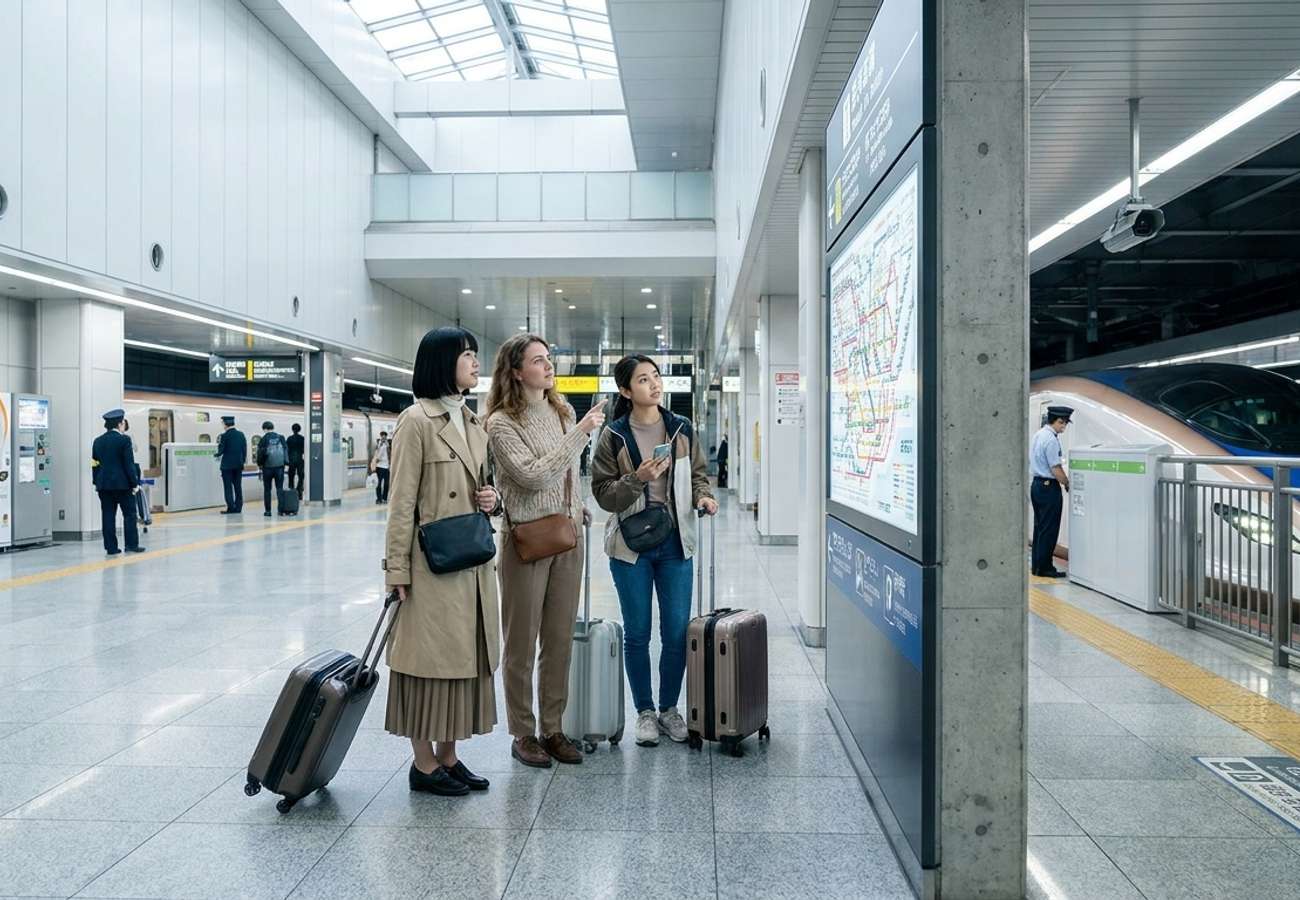
Image generated by AI
Japan is accelerating plans for a high-speed rail connection between Narita International Airport and Haneda Airport, scheduled for implementation in the 2030s. The project aims to eliminate the current inefficiency of airport transfers and pivot international tourist flows away from congested urban centers.
The Core Development
Keisei Electric Railway is spearheading a rapid express service designed to bridge the gap between Tokyo's two primary aviation gateways. Currently, passengers transferring between Narita and Haneda face journeys lasting between 90 and 120 minutes. The new service will utilize a combination of existing infrastructure and strategic upgrades to provide a predictable, fast, and seamless transit corridor.
This initiative is a pillar of Japan's broader strategy to mitigate overtourism in the "Golden Route" (Tokyo, Kyoto, and Osaka) by making regional destinations more accessible to those arriving via long-haul flights.
Key Facts Breakdown
- Timeline: Full airport-to-airport high-speed service is targeted for the 2030s.
- Interim Upgrade: A faster express service between Narita Airport and Oshiage Station will launch in 2028, reducing travel time from 55 to 35 minutes.
- Infrastructure Strategy: Rather than building new tracks, the service will operate across the Keisei Line, Toei Asakusa Line, and Keikyu Line.
- Passenger Comfort: The new service will feature reserved seating to accommodate international travelers with heavy luggage.
- Strategic Goal: To facilitate faster transfers to domestic flights serving underutilized regional airports.
Comparative Airport Roles
| Airport | Primary Role | Distance from Central Tokyo | Major Strength |
|---|---|---|---|
| Haneda Airport | Domestic hub / expanding international | ~15 km | Proximity to city center |
| Narita International | Long-haul international gateway | ~60 km | Extensive global airline network |
Service Evolution
| Feature | Existing Access Express | Planned Airport Express |
|---|---|---|
| Direct airport connection | Yes | Yes |
| Estimated journey time | ~90 minutes | Significantly reduced |
| Reserved seating | No | Yes |
| Target introduction | Active | 2030s |
Regional Accessibility Gains
Industry observers note that the Shinkansen network, while efficient, does not cover all of Japan. Many high-value tourism zones rely on domestic aviation. Faster transfers at the Tokyo hub will directly benefit the following regions:
- Shikoku: Enhanced access to pilgrimage routes and coastal scenery.
- Western Tohoku: Improved connectivity for nature and rural tourism.
- Southern Kyushu: Easier transit to national parks and volcanic regions.
- Remote Islands: Streamlined paths for eco-tourism and diving destinations.
Why This Matters: Industry Analysis
Our analysis of this development indicates a strategic shift in Japan's tourism management. For years, the "last mile" problem between Narita and Haneda has been a significant friction point for international transit passengers. By solving this, Japan is not merely improving logistics but is implementing a "dispersal mechanism."
By reducing the time and stress of transferring to domestic flights, the government is lowering the barrier for travelers to bypass Tokyo entirely after arrival. This is a calculated move to redistribute tourism spending into regional economies that lack Shinkansen access. Furthermore, the introduction of reserved seating acknowledges a critical flaw in current commuter-based transfers, where international travelers often struggle with luggage in crowded carriages.
Industry Outlook
Expect a phased rollout of these improvements. The 2028 Oshiage upgrade serves as a proof-of-concept for the larger 2030s project. As the service matures, we anticipate a rise in "multi-city" itineraries where travelers use Tokyo as a rapid transit hub rather than a primary destination. This will likely lead to increased domestic flight frequency from Haneda to secondary cities to meet the new demand.
A strategic pivot from urban concentration to regional exploration.
Related Travel Guides
Disclaimer
This article is for informational and educational purposes only. It does not constitute legal, financial, or professional advice. While we strive to provide accurate and up-to-date information, travel policies, regulations, and conditions change rapidly. Always verify information with official sources before making travel decisions. Nomad Lawyer makes no representations about the accuracy, reliability, completeness, or suitability of the information provided. Readers should consult qualified professionals for advice specific to their circumstances. The views expressed in this article are those of the author and do not necessarily reflect the views of Nomad Lawyer.
Raushan Kumar
Founder & Lead Developer
Full-stack developer with 11+ years of experience and a passionate traveller. Raushan built Nomad Lawyer from the ground up with a vision to create the best travel and law experience on the web.
Learn more about our team →